
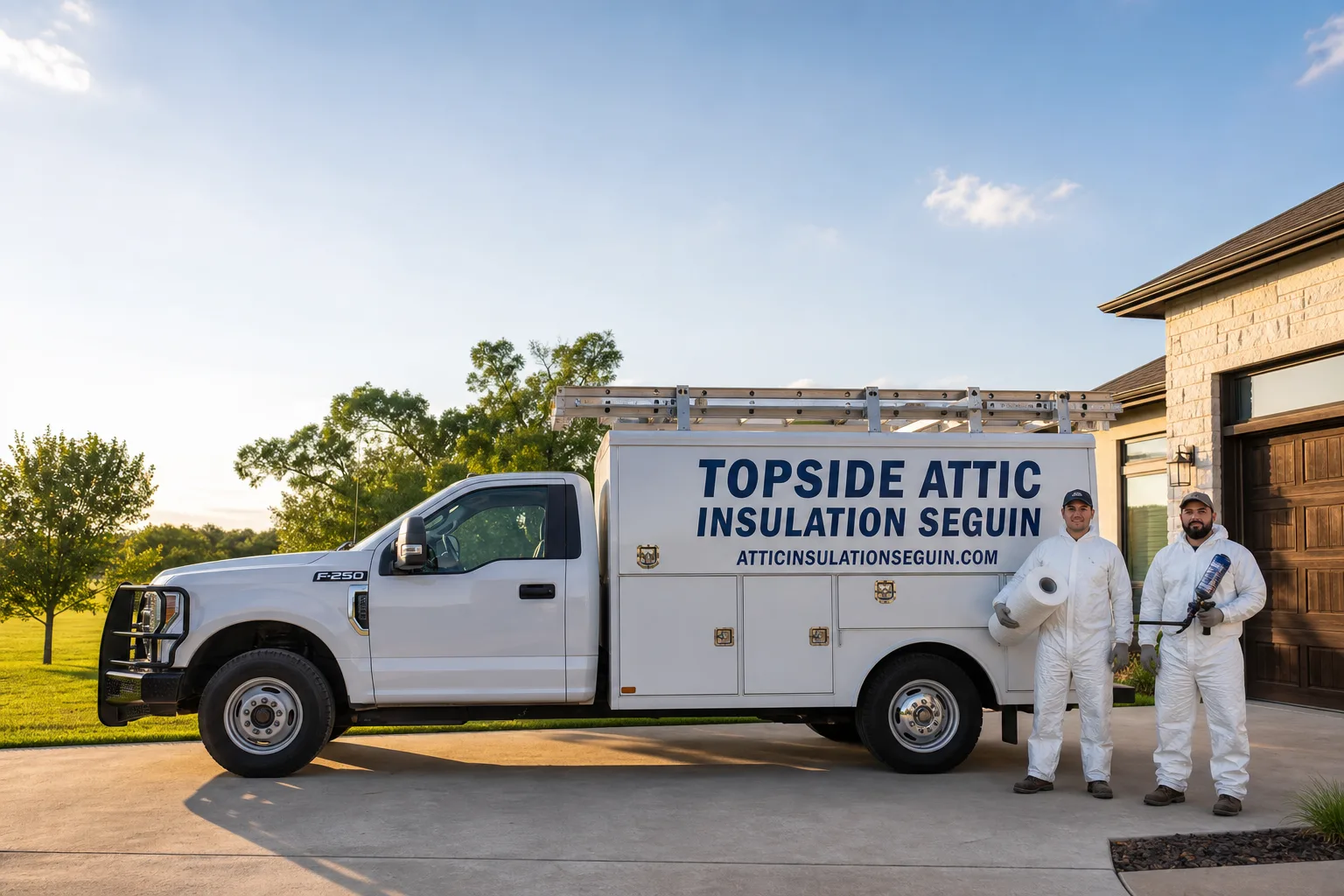
Fast, Reliable Blown-In Insulation Across Converse
Blown-in insulation in Converse typically runs $1,800-$3,400 for a full attic replacement on a 1,200-1,800 sq ft home, with most jobs completed in a single day. Our crews dispatch from the San Antonio office and are usually on Converse streets within 45 minutes of a scheduled arrival window. We’ve worked the tract-home neighborhoods from Woodlake to the streets west of Kitty Hawk Road since 2016, and we know which homes were built with original blown fiberglass that’s now reading below R-10 on a thermal camera despite what the inspection paperwork says.
Call (830) 549-6646 for a written price before any work starts. Estimates are free, and we publish before-and-after blower-door numbers on every applicable job so you can see the performance change in a single figure.
Why Topside Attic Insulation Seguin Is Converse’s Preferred Blown-In Insulation Company
We’ve sealed and insulated more than 9,000 homes since 2016, and a significant share of those have been in Converse’s 1970s-1990s slab-on-grade neighborhoods where military turnover at Joint Base San Antonio-Randolph keeps the housing market in constant motion. Our Converse customers leave reviews that mention the same thing repeatedly: we showed them the thermal images, gave them a written price before anyone touched the attic, and left them with documented blower-door readings they could actually use.
Response time matters here. When a July heat wave pushes attic temperatures past 150°F and your second bedroom won’t cool below 82 degrees, you don’t want a contractor who “services the San Antonio area” in theory. Our crews know the difference between the original 1978-1985 tracts near Kitty Hawk Road and the early-2000s builder-grade subdivisions east of FM 78. Each era failed differently, and we treat them differently.
Under Haven Standard: Arrive on schedule, you get a named technician and a text when they are on the way. Calls are answered by a live person, 24/7. No voicemail loops.
Our Blown-In Insulation Services in Converse
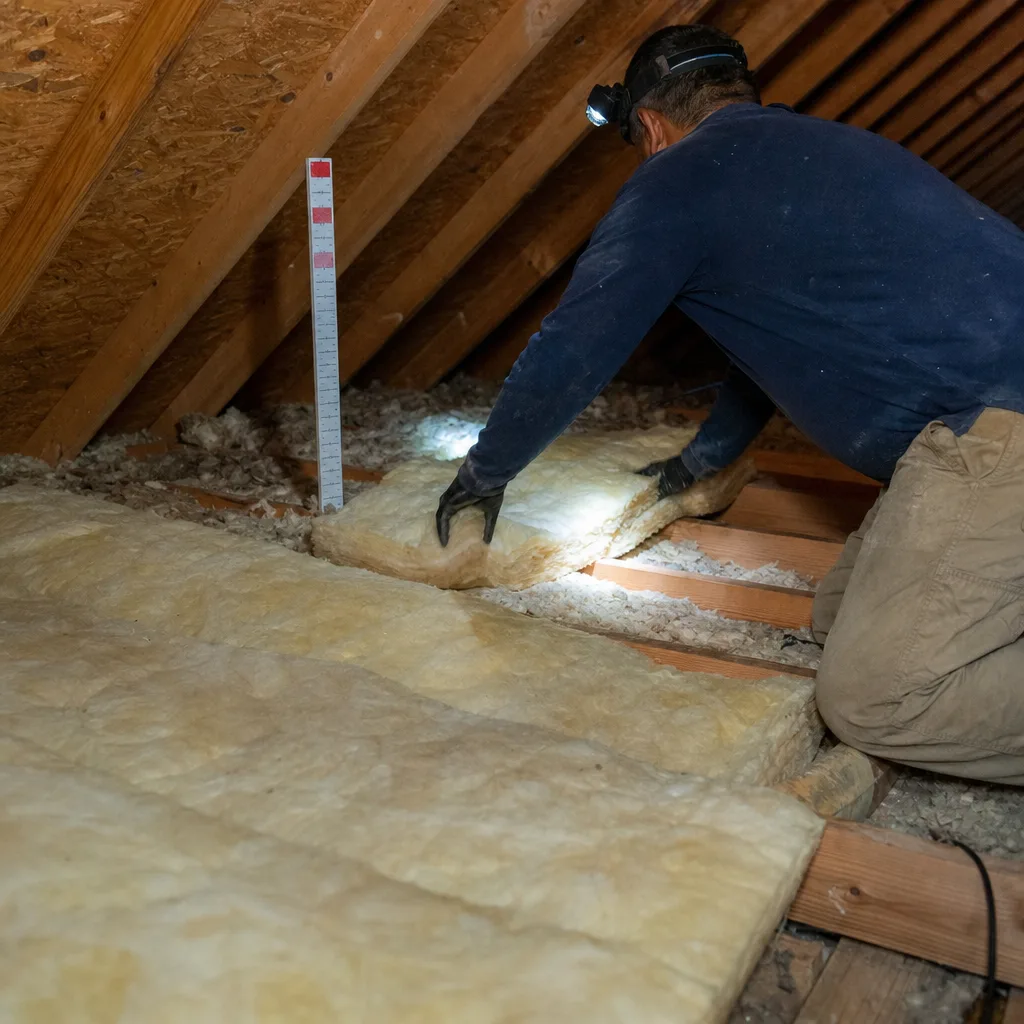
Blown-In Cellulose
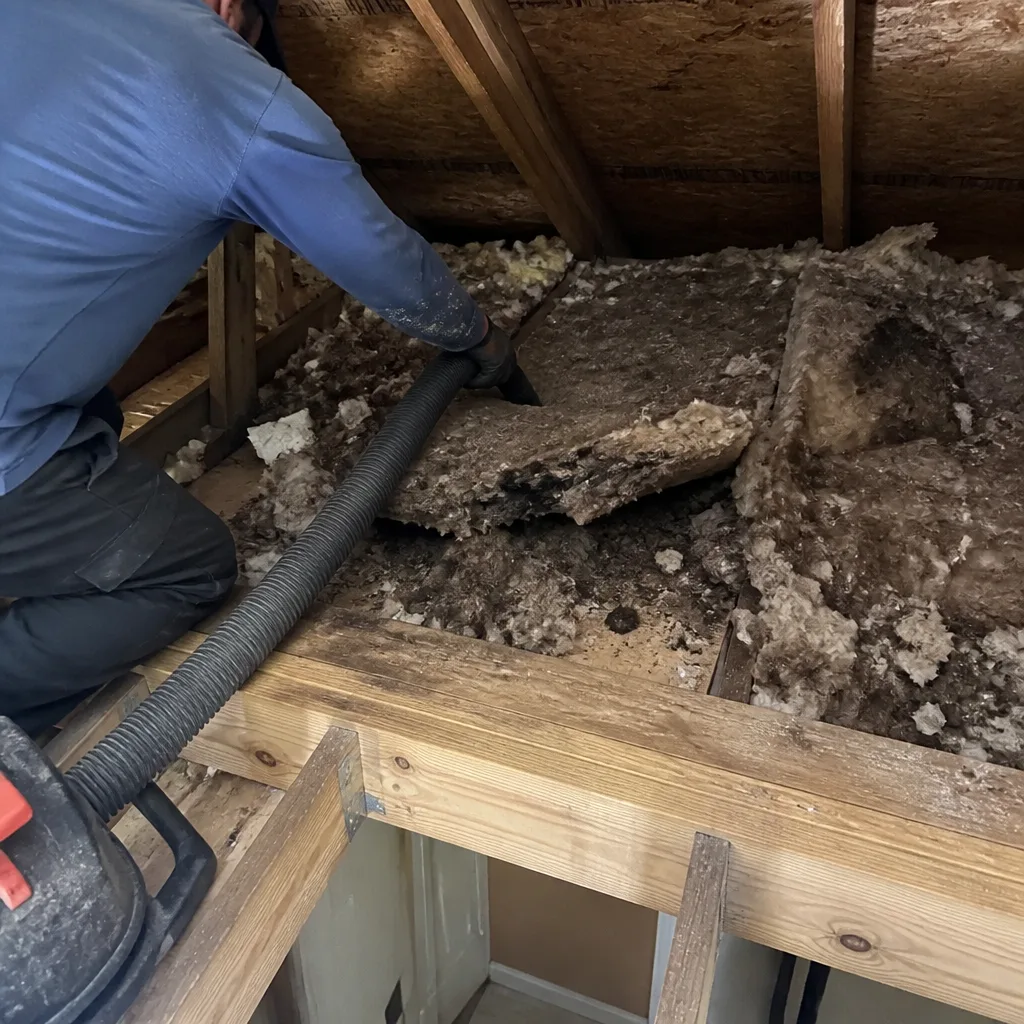
For most Converse homes built between 1972 and 1998, we recommend GreenFiber cellulose over new fiberglass. Cellulose handles the 150°F+ attic cycles better than fiberglass, and it packs tighter around top plates and wire penetrations in these older truss frames. We see this especially in the 1,450 sq ft brick-veneer ranches west of Kitty Hawk Road, where the original blown fiberglass has compacted and absorbed moisture through decades of summer heat. A typical full cellulose replacement in Converse runs $2,200-$3,400, including removal of the old material, air sealing of the attic floor, and blowing to R-38 or R-49 depending on your joist depth.
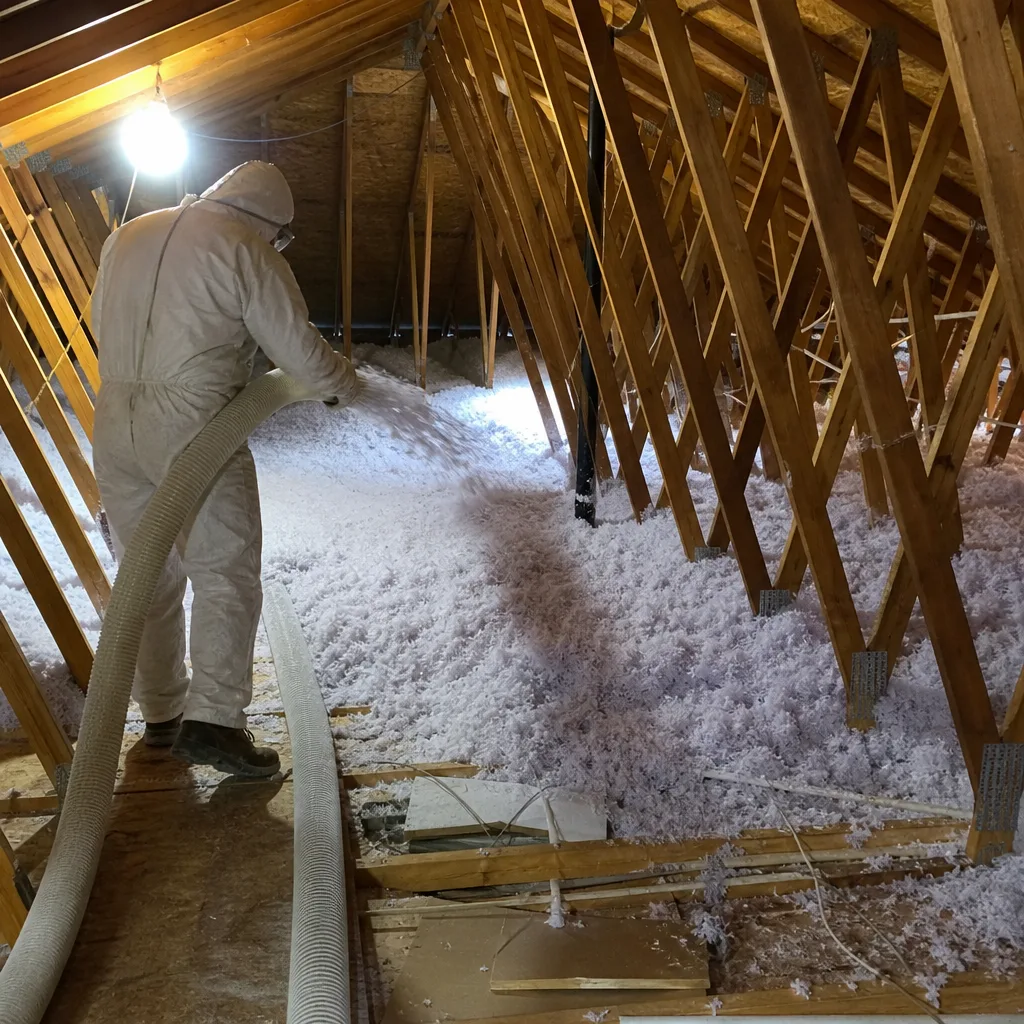
Blown-In Fiberglass
We do install new blown fiberglass, primarily in early-2000s Converse subdivisions where the original material is thin but not moisture-damaged, or where the homeowner specifically requests it. We source from Owens Corning and Johns Manville, and we never blow new fiberglass over unsealed air leaks. That’s not a preference, it’s a prerequisite. If your attic hatch isn’t sealed, your can lights aren’t boxed, and your top plates are leaking, we’ll fix those first. In Converse, a fiberglass top-up with air sealing typically runs $1,800-$2,800.
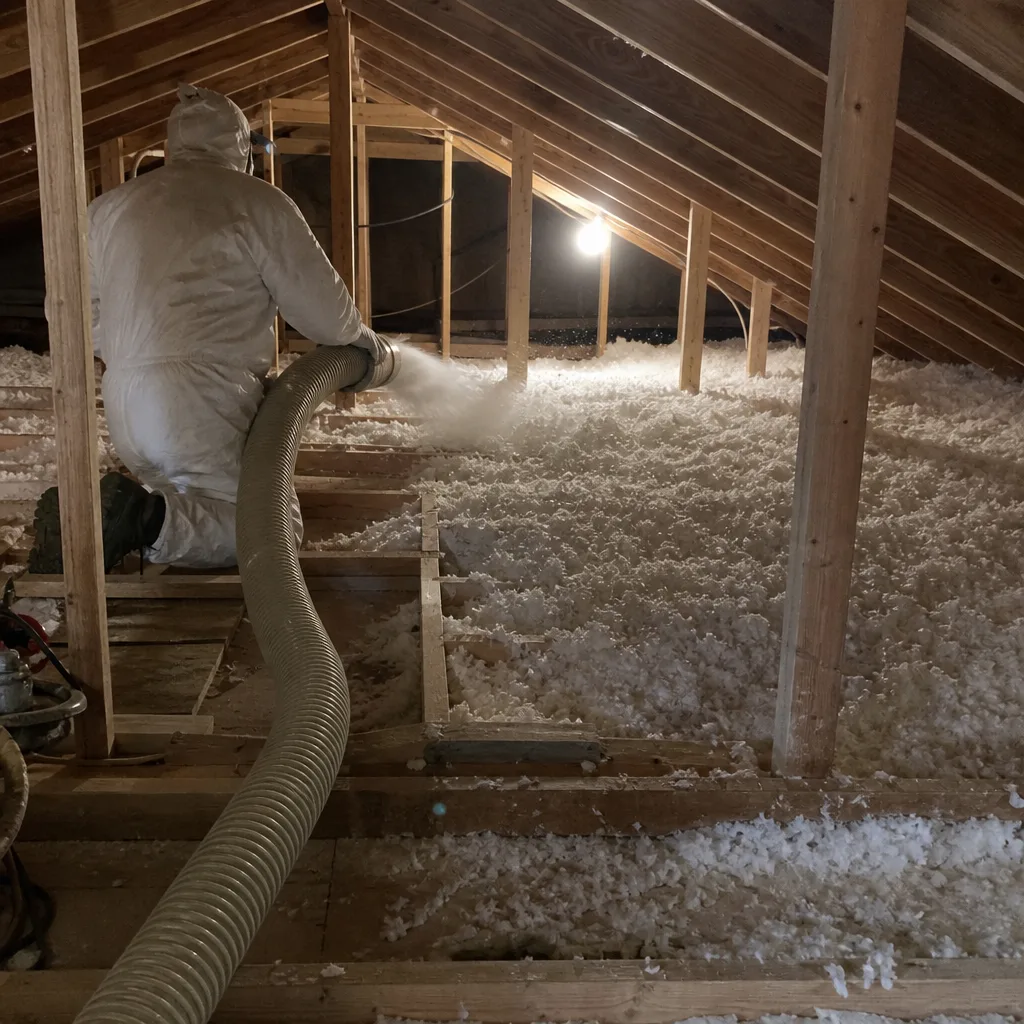
Dense-Pack Wall Insulation
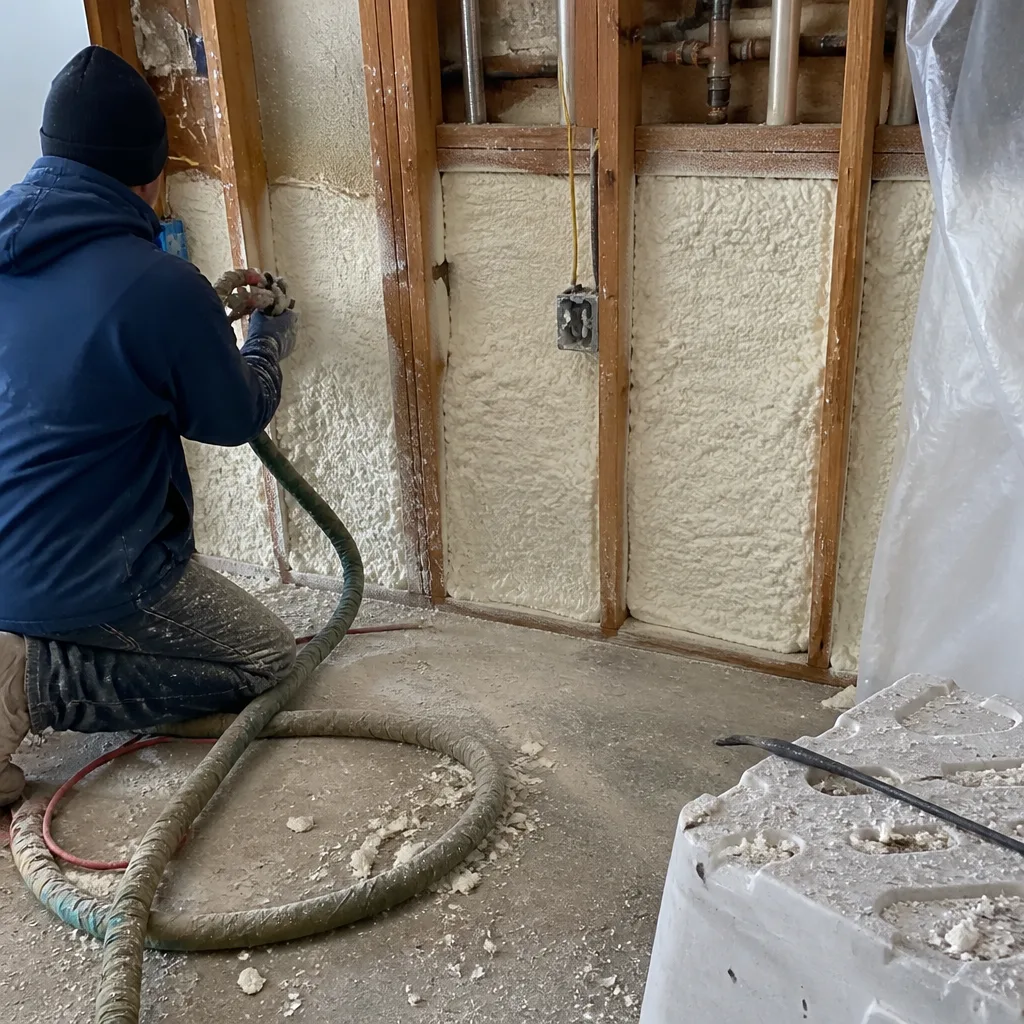
Converse’s 2×4 framed walls, standard in virtually every tract home here, were originally insulated with R-11 batts that have settled, torn, or simply never filled the cavity properly. Dense-pack cellulose fills those cavities under pressure, eliminating convection loops and cutting heat transfer through the walls themselves. This matters more in Converse than in some neighboring markets because the February 2021 freeze proved how poorly these minimally insulated wall cavities protect plumbing. Dense-pack wall work in Converse typically runs $2,400-$4,200 depending on wall square footage and access method.
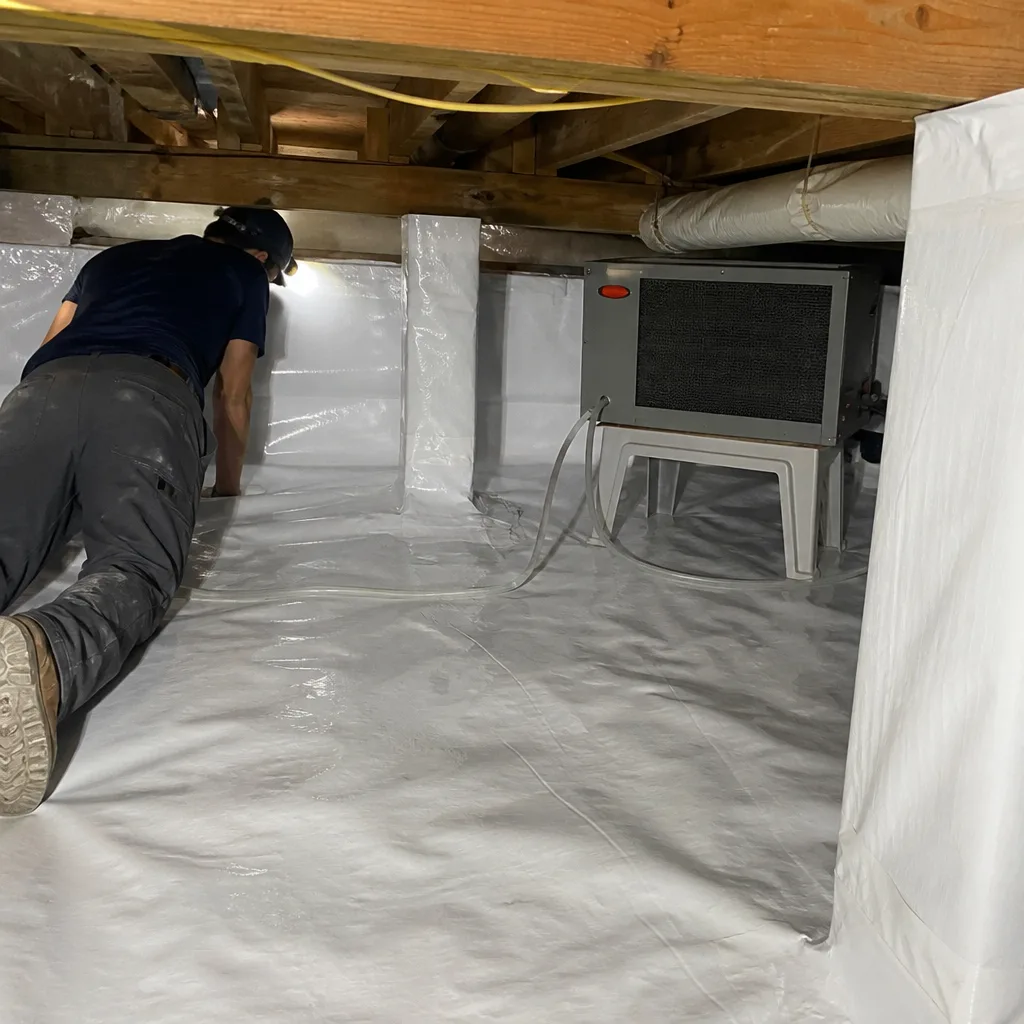
Blown-In Top-Up
Not every Converse attic needs full removal. In some early-2000s homes where the original blown fiberglass is thin but not contaminated, we can add material to reach code-minimum or better R-value. But we won’t do a top-up without first air-sealing the attic floor. A blown-in top-up that skips air sealing is just burying the problem. Top-up work in Converse runs $1,400-$2,200 when conditions allow it, and we’ll tell you honestly if your attic isn’t a candidate.
Our Blown-In Insulation team treats every job as a building-envelope repair, not a commodity install.
What happens when you call
- 1
A real person answersNo phone trees - you reach a local pro.
- 2
You get an upfront price rangeHonest numbers before anyone is dispatched.
- 3
A background-checked tech heads outLicensed & insured, dispatched right away.
- 4
You approve before work beginsNothing starts until you say go.
 Before
 After
AfterTrusted Brands We Service in Converse
We source materials from Owens Corning, Johns Manville, GreenFiber, and other major manufacturers, with no proprietary lock-in that limits your options. For Converse homes, we typically stock GreenFiber cellulose and Owens Corning fiberglass at our San Antonio warehouse, which means replacement material is available same-day if we encounter unexpected conditions in your attic. We don’t claim exclusive status with any brand. We pick the material that matches your home’s condition, your budget, and the written scope you approve before work begins.
Common Blown-In Insulation Problems We See in Converse Homes
- Original blown fiberglass west of Kitty Hawk Road reads below R-10. The late-1970s and early-1980s tracts built for Randolph AFB expansion have insulation that has compacted and absorbed moisture through forty-plus years of 150°F attic cycles. PCS inspection paperwork routinely marks it “OK.” Thermal cameras tell a different story.
- Attic hatches and wall cavities are ignored in standard top-ups. Even when a Converse homeowner adds insulation to the attic floor, the unsealed hatch and R-11 wall cavities continue bleeding conditioned air. The February 2021 freeze showed exactly how costly that gap can be.
- Early-2000s subdivisions got sloppy eave coverage. Builder-grade blown fiberglass in these homes often misses the last two feet before the exterior wall, and recessed can lights were rarely boxed or sealed. A top-up without air sealing just piles material on top of the gaps.
- Moisture damage goes undetected in military-turnover sales. Because Converse homes change hands on PCS cycles, attics are “inspected” visually from the hatch rather than tested. By the time a long-term owner moves in, the fiberglass may be sagging and mold-stained.
Pricing for Blown-In Insulation in Converse, TX
Here’s what blown-in insulation costs in Converse for the homes we see most often:
| Service | Typical Range (1,200-1,800 sq ft) |
|---|---|
| Blown-in cellulose, full attic (remove old, air seal, blow new) | $2,200 - $3,400 |
| Blown-in fiberglass, full attic (remove old, air seal, blow new) | $2,000 - $3,200 |
| Blown-in top-up (air seal + add material to existing) | $1,400 - $2,200 |
| Dense-pack wall insulation (2×4 cavities) | $2,400 - $4,200 |
| Attic air sealing only (before any insulation work) | $800 - $1,600 |
Three factors move Converse jobs within these ranges: how much old material needs removal, how many air leaks we find in the attic floor (can lights, top plates, duct boots, chimney chases), and whether your joist depth allows R-38 or R-49. We give you a written price before any work starts. No exceptions. Bring us a competing quote and we’ll read it with you, free.
Call (830) 549-6646 for your written estimate.
We Also Serve Cities Near Converse
Our crews work throughout the northeastern San Antonio metro, including Converse, Universal City, Schertz, Cibolo, and New Braunfels. Dispatch and scheduling are coordinated from our San Antonio office, with local crews serving each area.
Serving Converse, TX - Our Local Coverage Area
We’re based in the Converse area and know this community well. Use the map below to see our service coverage - if you’re nearby, we can almost certainly help.
FAQs - Blown-In Insulation in Converse
Yes, if your home was built before 1995 and still has original blown fiberglass. PCS inspections in Converse are typically visual checks from the attic hatch, not thermal imaging or R-value testing. We’ve been in homes where the inspection sheet said “OK” and our thermal camera read R-9 or lower on compacted, moisture-sagged fiberglass. Call (830) 549-6646 and we’ll show you what your attic actually measures.
Cellulose handles Converse’s 150°F+ attic temperatures better than old fiberglass, and it air-seals as it settles into gaps around top plates and wire penetrations. The 1980s truss frames in neighborhoods west of Kitty Hawk Road have more of those gaps than newer construction. We typically recommend GreenFiber cellulose for these homes. Your written scope will specify the material and the target R-value before anyone starts.
Not if the attic floor hasn’t been air-sealed first. Blown-in material stops conductive heat transfer through the ceiling, but it doesn’t stop conditioned air from leaking out through can lights, top plates, and the attic hatch. In those 1978-1985 Converse tracts, we always seal before we insulate. The blower-door test we run before and after will show you the difference in a single number.
Current IECC code for the San Antonio metro calls for R-38 minimum in attics, and we typically recommend R-49 for Converse homes that will be occupied long-term. Many original attics here measure R-11 to R-19 even when inspection paperwork suggests otherwise. Your written scope will specify the target R-value based on your joist depth and your long-term plans for the home.
Yes. Dense-pack cellulose in existing 2×4 walls is one of our most requested services in Converse after the February 2021 freeze. The original R-11 batts in these walls have settled or torn, and the cavities often weren’t filled completely at construction. Dense-pack fills them under pressure, cutting both summer heat gain and winter freeze risk. Typical cost is $2,400-$4,200. Call (830) 549-6646 for a written price on your specific wall square footage.
Written by Wes Okafor, Owner at Envelope Insulation Co., independently owned and operated under The Haven Standard since 2016.