
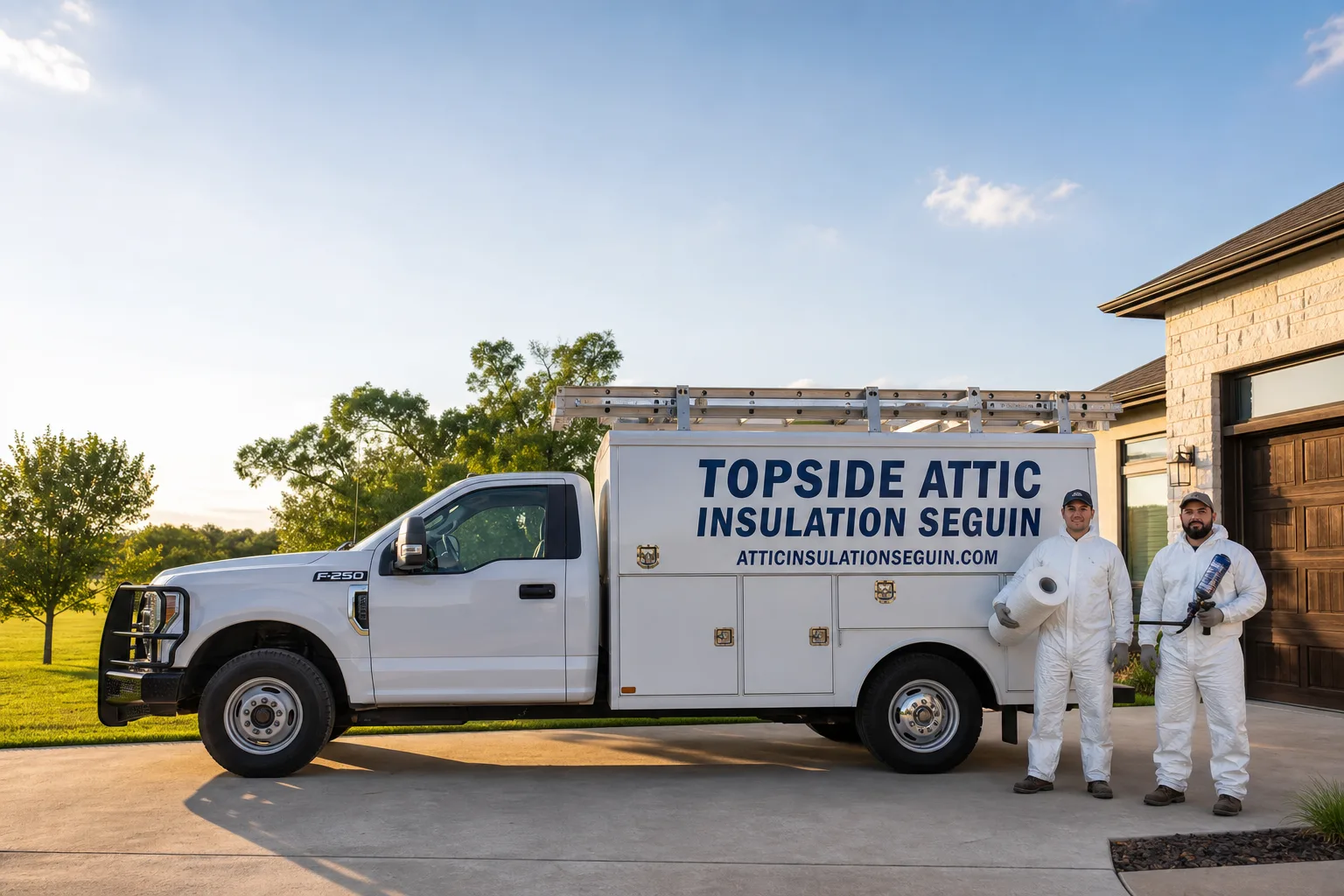
Fast, Reliable Blown-In Insulation Across Cibolo
Blown-in insulation in Cibolo typically runs $1.80-$3.20 per square foot of attic deck, with most complete attic jobs falling between $2,400 and $4,800 for the production homes that dominate this market. Our crews dispatch from the San Antonio office and usually reach Cibolo properties within 45 minutes to an hour. Call (830) 549-6646 and you’ll speak to a live person, 24/7 - no voicemail loops, no callback windows measured in business days.
We’ve worked in Cibolo long enough to know the pattern: a homeowner on a street near Steele High School calls in July, shocked by a CPS Energy bill that jumped 40% from spring. Their home was built in 2004 or 2007 or 2011, looks practically new, and they’ve never thought about insulation. That’s the Cibolo story. Nearly this entire city went from roughly 3,000 residents in 2000 to well over 30,000 by the early 2020s, which means almost every roof we climb into covers a production-builder tract home constructed to minimum Texas energy-code standards. Builder-grade blown fiberglass paired with ductwork in unconditioned attic spaces is quietly driving some of the highest cooling bills in the San Antonio metro. Your home looks new. Your insulation isn’t.
Why Topside Attic Insulation Seguin Is Cibolo’s Preferred Blown-In Insulation Company
We’ve sealed and insulated over 9,000 homes since 2016, and a growing share of them sit in Cibolo neighborhoods like Saddle Creek, the corridors along FM 1103, and the subdivisions feeding into Steele High School. Our reviews from Cibolo customers consistently mention two things: the written price they received before anyone lifted a tool, and the blower-door reading on the receipt that showed them exactly what changed.
Response time matters in July. When attic temperatures push past 140°F, a same-day or next-day arrival prevents another billing cycle of duct losses bleeding into that vented cavity. We coordinate dispatch from our San Antonio office, and most Cibolo appointments slot within 24 hours of the call.
What separates our work in Cibolo is that we know these homes. We know which subdivisions went up before the 2009 IECC adoption, which builders used R-30 as their standard attic spec, and where the HVAC trunks run most exposed. That knowledge changes what we recommend and what we price.
Our Blown-In Insulation Services in Cibolo
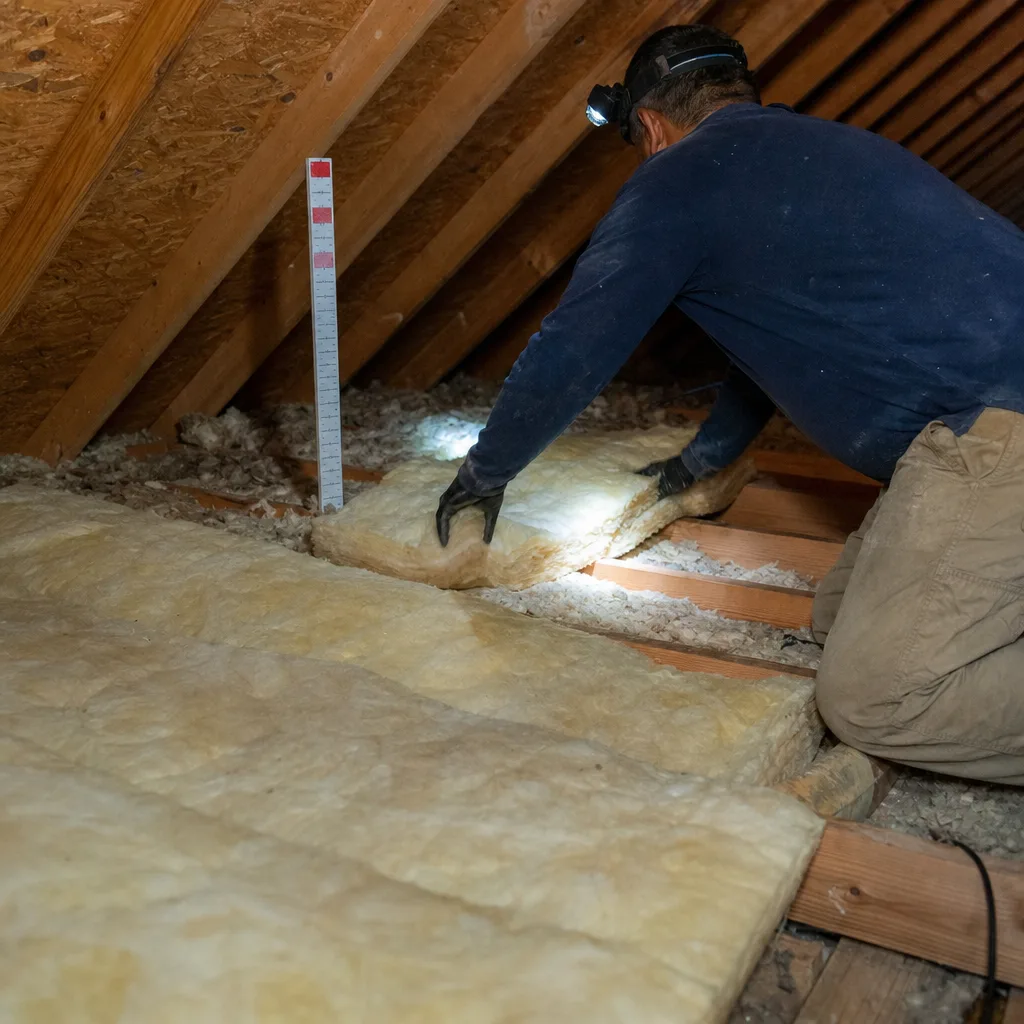
Blown-In Cellulose
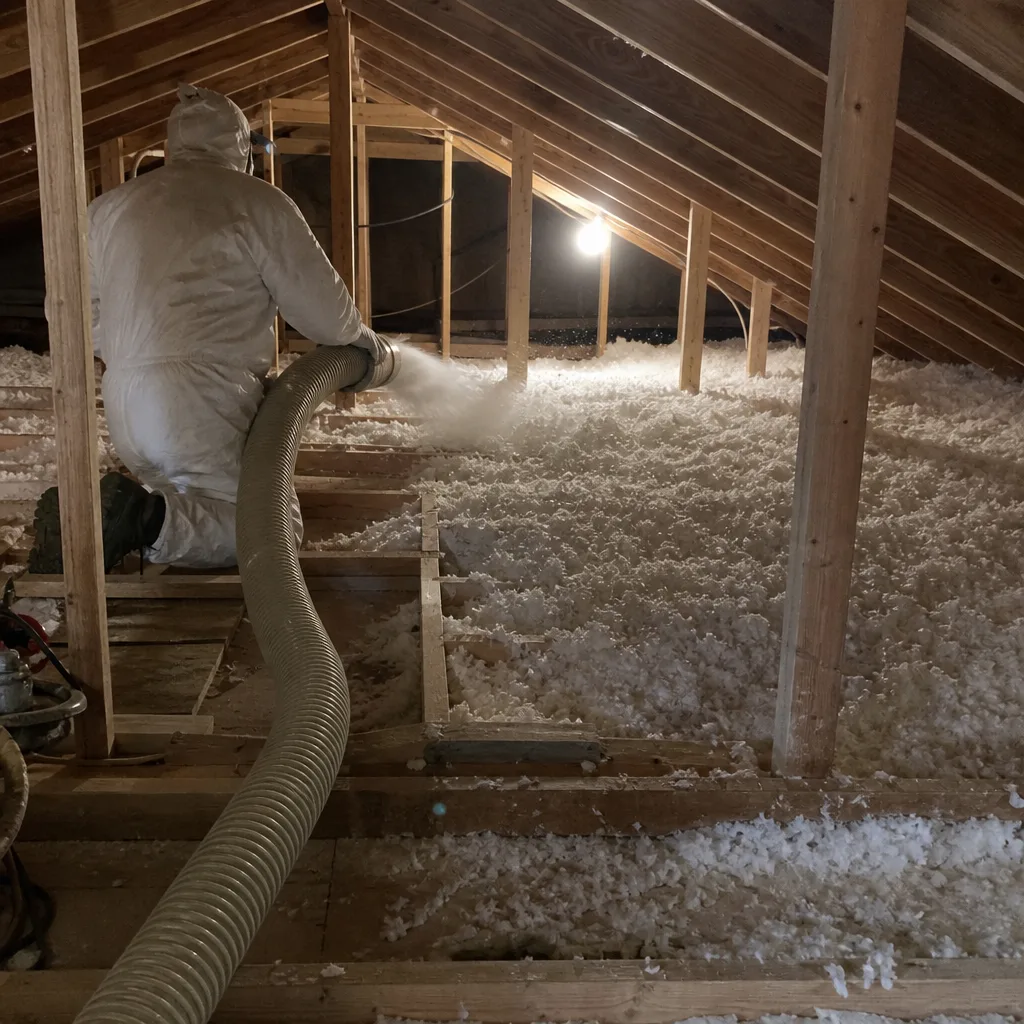
Cellulose handles Cibolo’s heat better than most homeowners expect. We source GreenFiber cellulose for many of our Cibolo jobs because it performs well in the 140°F+ attic conditions common here from June through September. Blown to R-49 over existing builder-grade fiberglass, it fills the gaps compression has opened and adds density where summer heat is conducting through. We never blow cellulose or any insulation over an unsealed attic floor - our crew seals top plates, can lights, and penetrations first, then insulates. That’s Haven Standard sequencing, not an upsell.
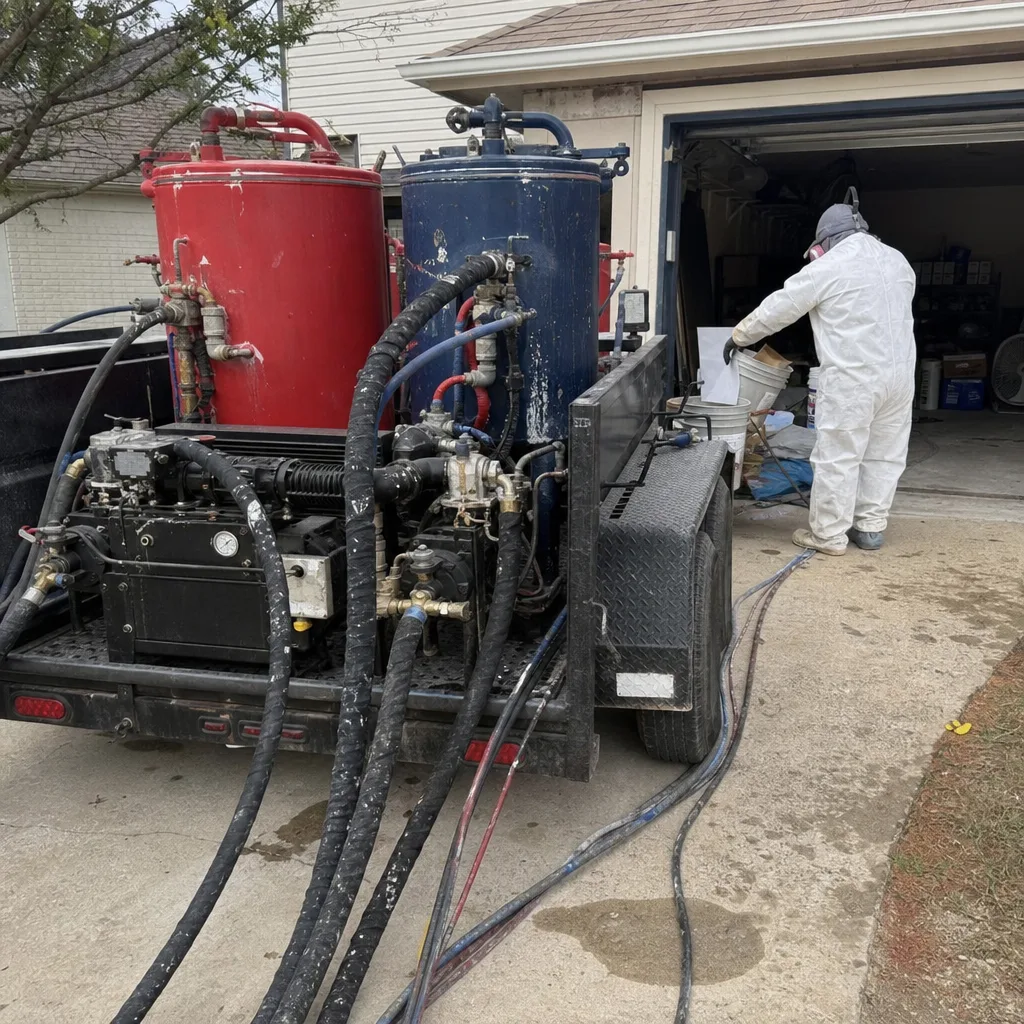
Blown-In Fiberglass
For homeowners who prefer fiberglass, we stock Owens Corning blown fiberglass and install it to the same R-49 target. In Cibolo’s newer construction, fiberglass top-ups make sense when the original material is still reasonably distributed but has settled below spec. We assess what we’re covering before we commit - burying compressed, uneven fiberglass without addressing air leakage is something we won’t do.
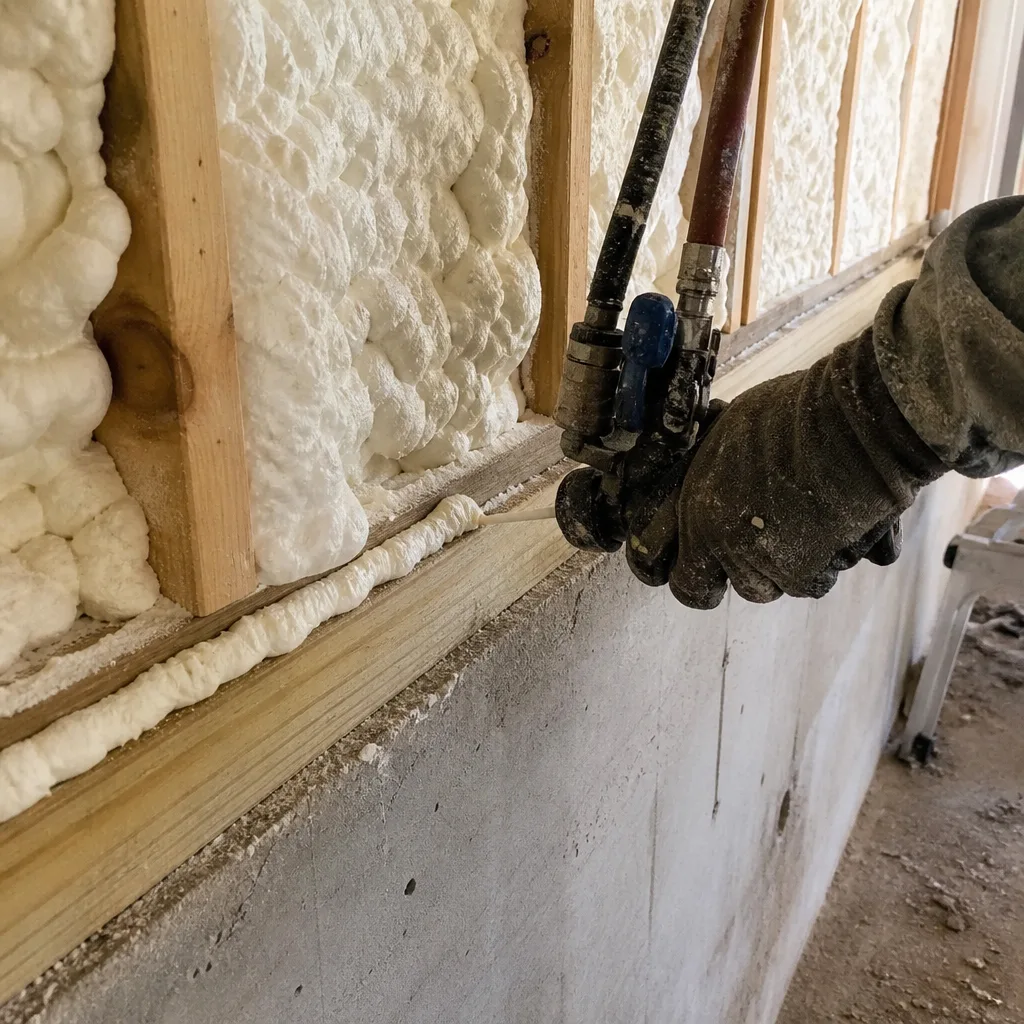
Dense-Pack Wall Insulation
This is the service most Cibolo homeowners don’t know they need. Production homes built pre-2009 IECC - which includes much of the housing stock near Steele High School and along FM 78 - were delivered with virtually empty wall cavities. Thin-wall construction with minimal cold-side insulation is why Winter Storm Uri found pipes in homes that “look new.” Dense-packing those walls with cellulose or fiberglass adds R-value where the builder skipped it, and it matters on west-facing garage walls and plumbing chases in particular.
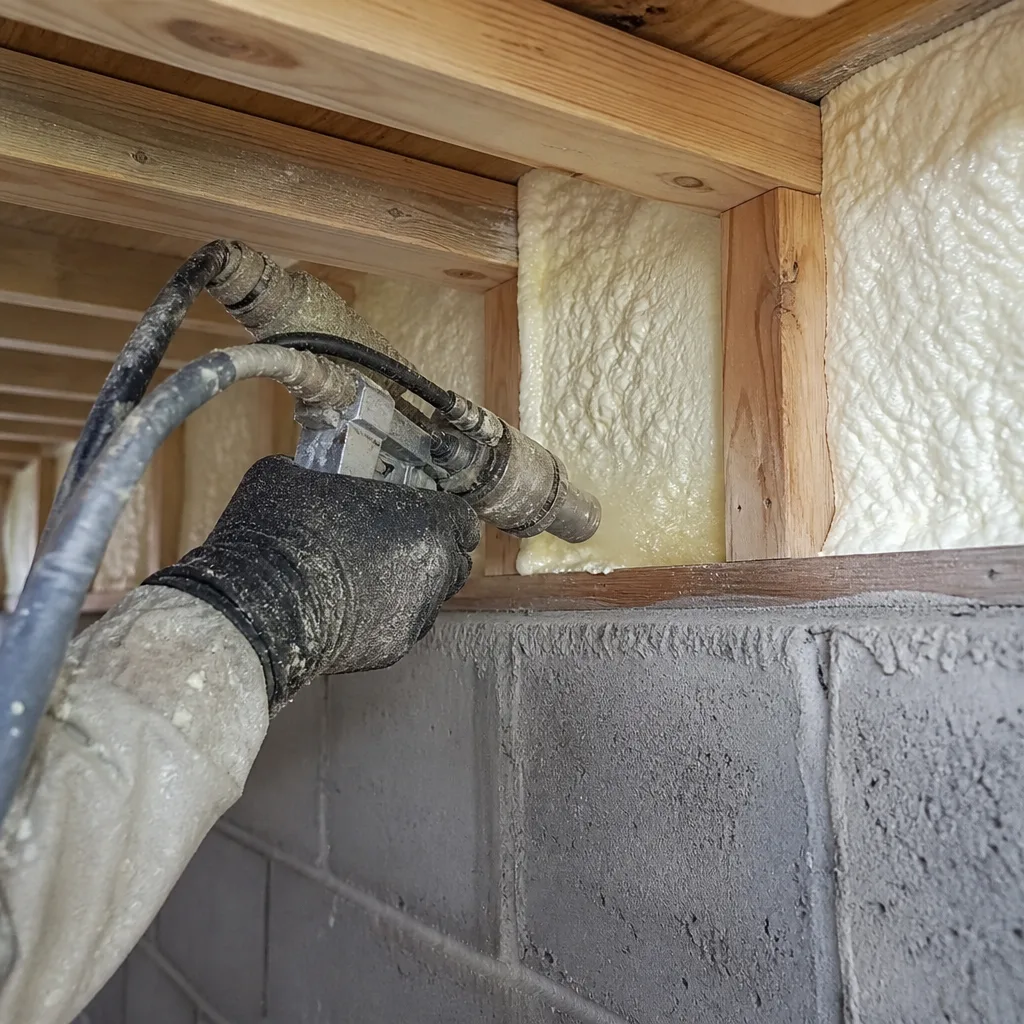
Blown-In Top-Up
The most common call we get in Cibolo. A homeowner’s attic was spec’d at R-30 or R-38 fifteen years ago, and settled, compressed fiberglass now performs at an effective R-22 or lower. A blown-in top-up restores depth and coverage without removing what’s there, assuming the existing material is clean and reasonably distributed. We price these by the square foot of attic deck, and we always inspect before we quote - no written price until we’ve seen what’s overhead.
Our Blown-In Insulation team treats every Cibolo job as a building-envelope project, not a commodity blow. The attic is connected to the walls, which are connected to the ductwork. We document all of it.
What happens when you call
- 1
A real person answersNo phone trees - you reach a local pro.
- 2
You get an upfront price rangeHonest numbers before anyone is dispatched.
- 3
A background-checked tech heads outLicensed & insured, dispatched right away.
- 4
You approve before work beginsNothing starts until you say go.
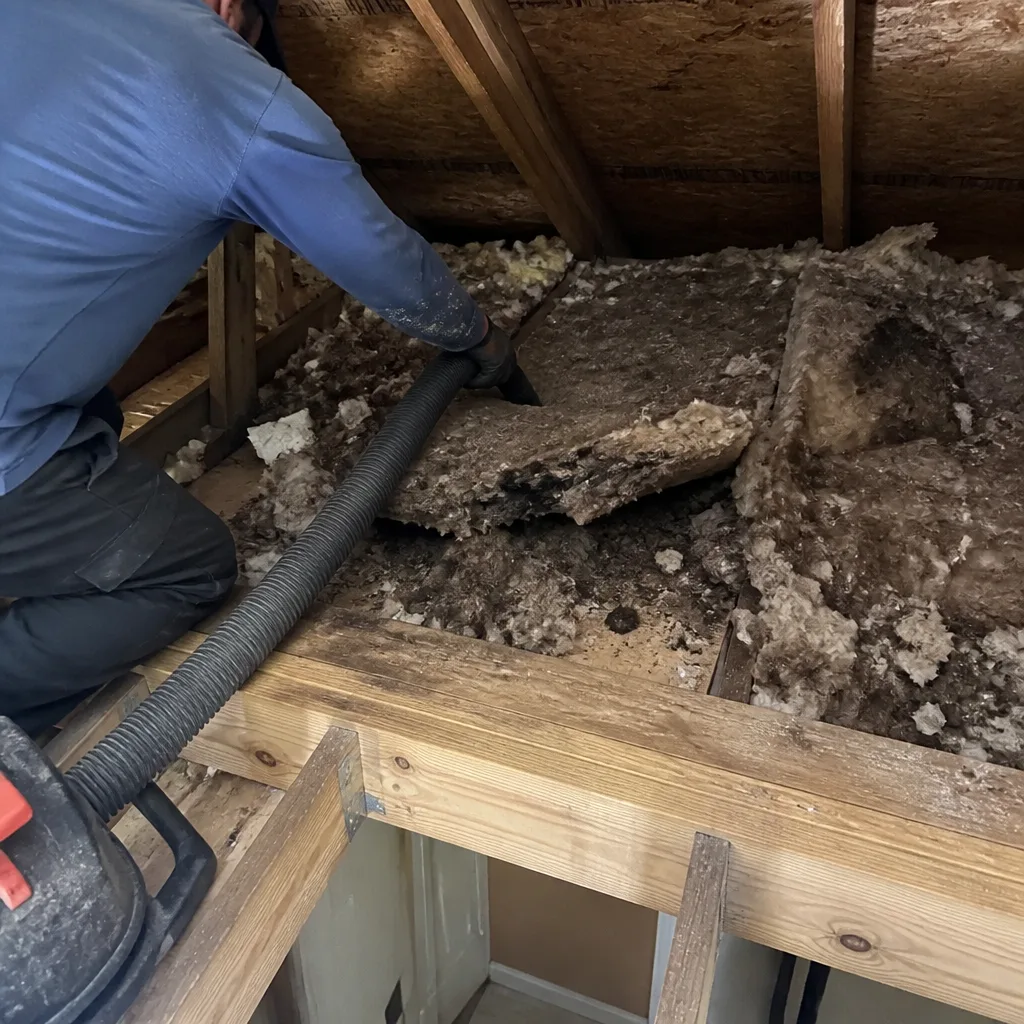 Before
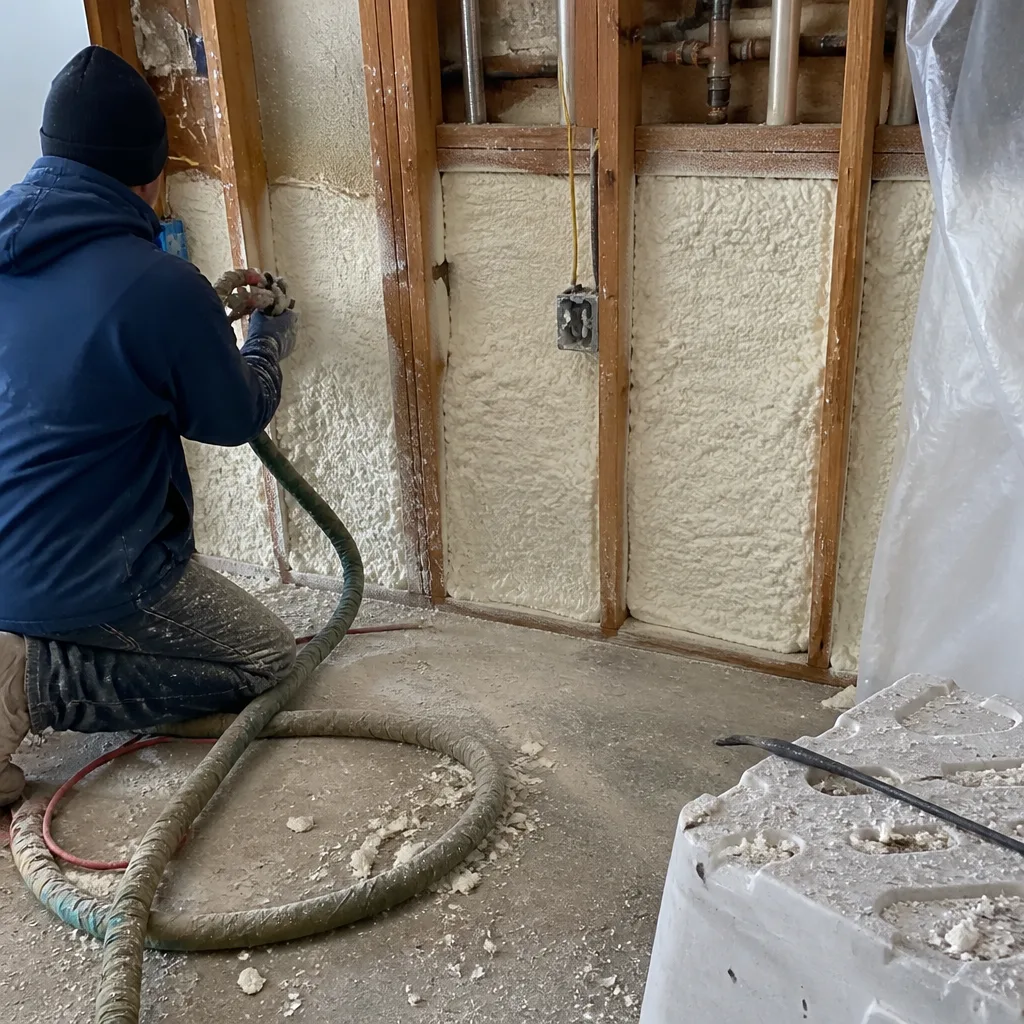 After
AfterTrusted Brands We Service in Cibolo
We source materials from Owens Corning, Johns Manville, Knauf, GreenFiber, Icynene, and Demilec - no proprietary lock-in, no single-source product we have to push. For Cibolo’s climate, that flexibility matters. Owens Corning fiberglass performs predictably in high-heat attic environments. GreenFiber cellulose adds density and fills irregular cavities well, which suits the truss bays and penetrations common in production homes here. Icynene and Demilec come into play when we’re air-sealing before the blow, or when a homeowner wants spray foam on ductwork in that 140°F attic. We stock local inventory for fast turnaround, and we specify by job condition, not by supplier incentive.
Common Blown-In Insulation Problems We See in Cibolo Homes
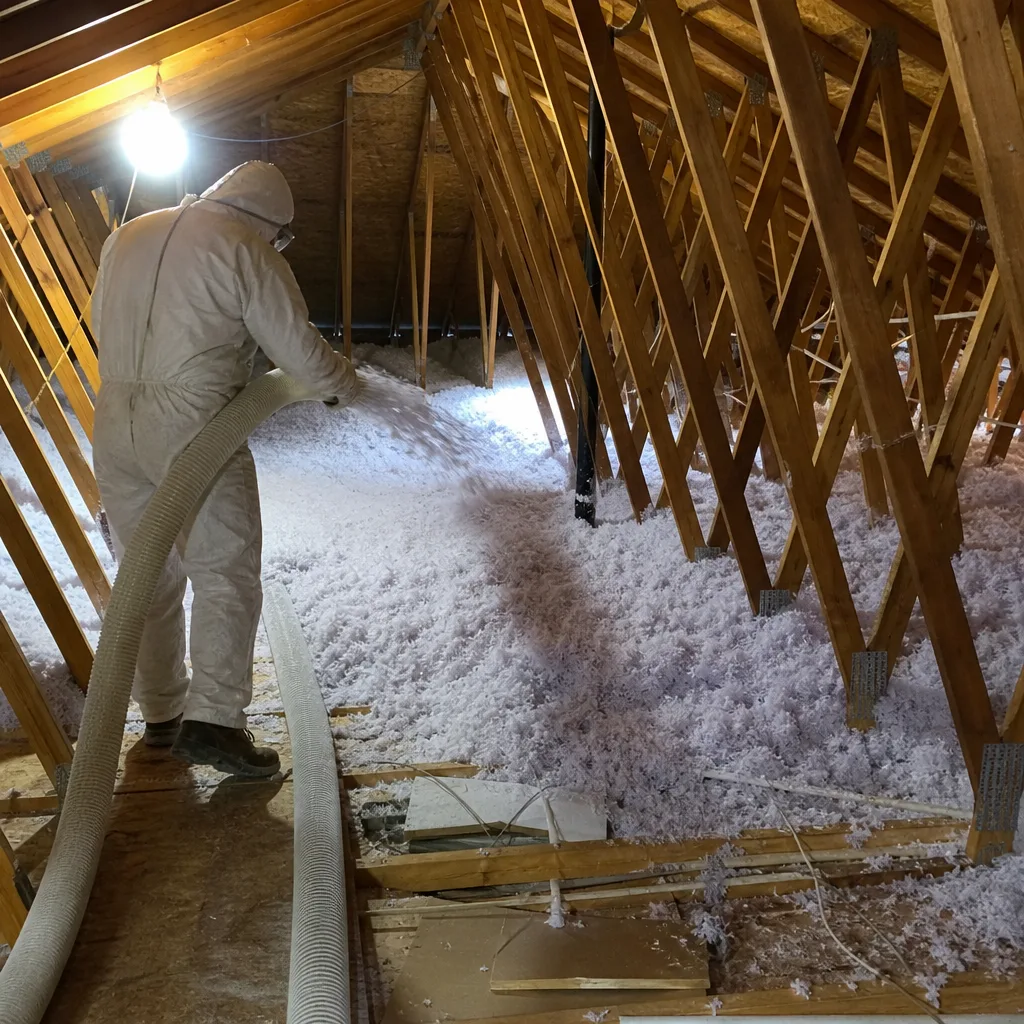
- Settled builder-grade fiberglass in pre-2009 attics. Homes on streets near Steele High School often carry original R-30 blown fiberglass that has compressed to R-22 effective over 15-20 years. The homeowner sees a “new” home; we see a thermal boundary that failed to spec.
- HVAC ducts bleeding conditioned air through vented attics. Cibolo’s production homes route ductwork through unconditioned attic cavities that hit 140°F+ in summer. Twenty to thirty percent of cooled air can be lost before it reaches a register. Insulation top-ups help, but duct sealing and wrapping are usually part of the fix.
- Empty wall cavities in thin-wall construction. Pre-2009 IECC homes in Saddle Creek and along FM 1103 were built with minimal wall insulation. The walls look finished. They’re thermally hollow. Uri-style freezes exposed this; July heat exploits it from the other direction.
- Homeowners assuming “new” means “adequately insulated.” Cibolo’s housing stock is young enough that most owners never consider an insulation inspection. The July CPS Energy bill is often the first signal, and by then they’ve overpaid for two or three cooling seasons.
Pricing for Blown-In Insulation in Cibolo, TX
Most blown-in insulation jobs in Cibolo fall into these ranges, based on attic square footage and material:
| Service | Typical Range (Cibolo) |
|---|---|
| Blown-in top-up (R-30 to R-49) | $1.80-$2.60/sq ft of attic deck |
| Full attic blow (remove + replace) | $2.80-$3.80/sq ft of attic deck |
| Dense-pack wall insulation | $2.20-$3.20/sq ft of wall cavity |
| Duct sealing + wrap (with insulation job) | $800-$1,800 additional |
A typical 2,400-square-foot Cibolo production home with 1,800 square feet of attic deck runs $3,200-$4,700 for a cellulose top-up to R-49 with air sealing included. Full removal and replacement with upgraded fiberglass pushes toward $5,500-$7,200. Dense-pack wall work on a standard three-bedroom plan adds $1,800-$3,400 depending on cavity access.
What moves the number: attic accessibility, existing material condition, whether we need to build baffles or dam around recessed lighting, and whether ductwork requires sealing or wrapping. We inspect before we price. Every Cibolo homeowner receives a written scope, a written warranty, and a flat price before anyone starts - Haven Standard Clause 1. Free second opinion on any written estimate from another contractor. Call (830) 549-6646 to schedule.
We Also Serve Cities Near Cibolo
Our crews work throughout the San Antonio metro corridor, including Cibolo neighbors in Schertz, Universal City, Converse, and New Braunfels. Each city gets the same written-price-first protocol and documented photo record. Dispatch coordinates from our San Antonio office for all locations.
Serving Cibolo, TX - Our Local Coverage Area
We’re based in the Cibolo area and know this community well. Use the map below to see our service coverage - if you’re nearby, we can almost certainly help.
FAQs - Blown-In Insulation in Cibolo
Yes. Saddle Creek homes from 2005 predate the 2009 IECC adoption cycle, so your attic was likely spec’d at R-30 blown fiberglass minimum. Over 18-20 years, that material has settled and compressed to an effective R-22 or lower. The home looks new because the finishes are recent; the thermal boundary behind your drywall is performing at 2004 standards. Call (830) 549-6646 and we’ll inspect at no charge - written price before any work starts.
They do, especially when paired with air sealing and duct attention. We took a call from a Saddle Creek homeowner whose CPS Energy bill had climbed past the neighborhood norm; our tech found blown fiberglass settled to about R-22 at the attic deck with ducts running bare through a 140°F unconditioned attic. We dense-packed the wall cavities along the west-facing garage wall, then blew GreenFiber cellulose to R-49 over the existing fiberglass and wrapped the supply trunks. Their next summer cycle dropped noticeably. We publish before-and-after blower-door numbers on every applicable job so you can verify the result yourself.
Usually, yes - if the existing fiberglass is clean, reasonably distributed, and hasn’t been compromised by moisture or pest activity. We inspect first. Cellulose over fiberglass is a common Cibolo upgrade because it fills the gaps compression has created and adds density at a lower cost than full removal. We won’t bury material that should come out, and we’ll tell you which category you’re in before we quote.
Because the walls are often empty. Pre-2009 IECC production homes in Cibolo were built with thin-wall construction and minimal cavity insulation. The attic gets attention because it’s accessible; the walls get ignored because the drywall is already up. Dense-packing through exterior siding or interior drywall access points adds R-value where summer heat conducts through and where winter cold finds plumbing chases. It’s particularly effective on west-facing walls and garage-adjacent rooms.
Cellulose for most Cibolo attics, fiberglass when the homeowner prefers it or when existing conditions favor it. Cellulose handles our 140°F attic peaks well, fills irregular truss bays better, and adds slight air-sealing value through density. Owens Corning fiberglass is durable and predictable, and it makes sense for top-ups where the original material is still performing adequately. We stock both and specify by what we find in your attic, not by what we need to move. Call (830) 549-6646 - we’ll look and tell you which applies.
Written by Wes Okafor, Owner at Topside Attic Insulation Seguin, serving Cibolo since 2016.