
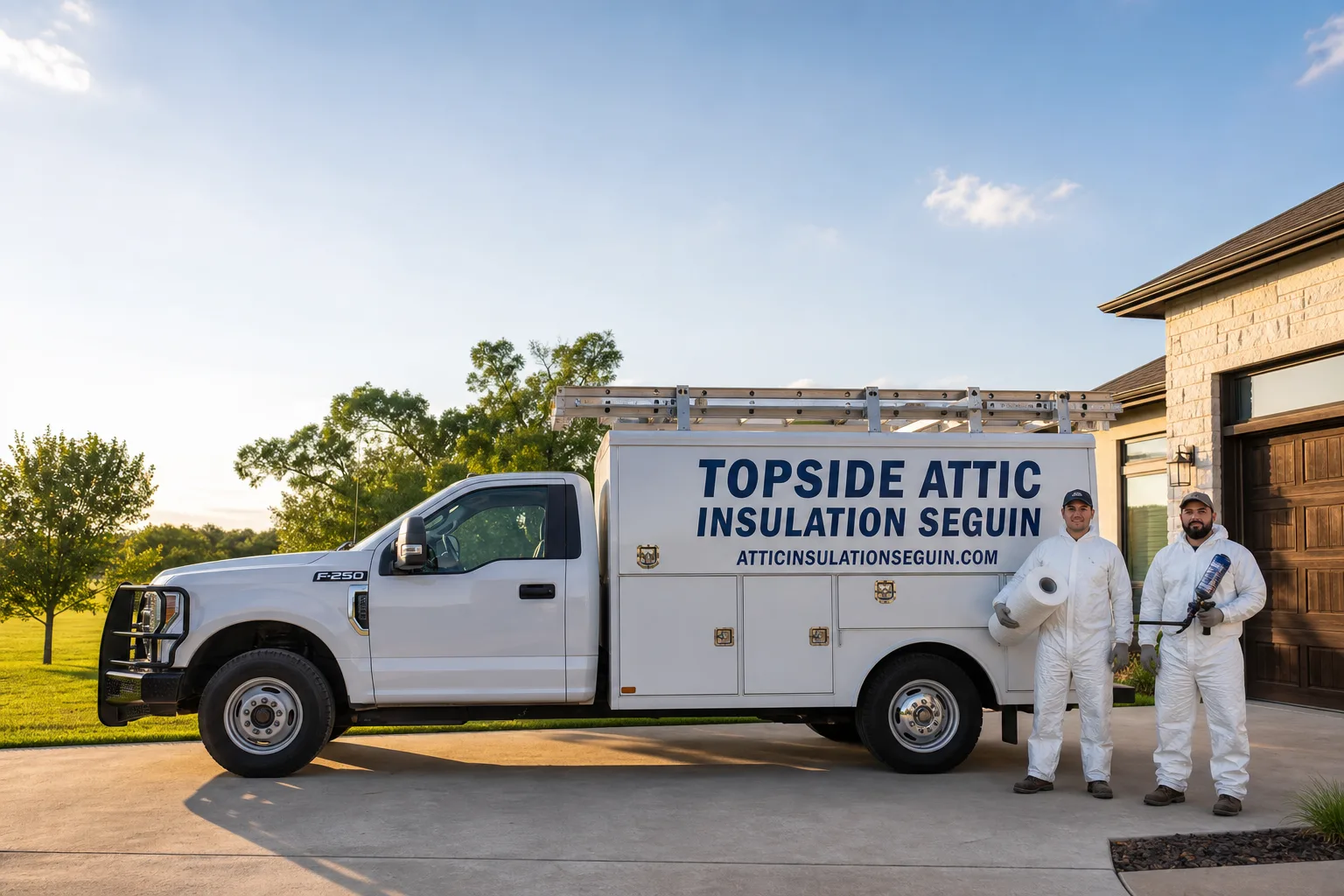
Fast, Reliable Blown-In Insulation Across New Braunfels
Most blown-in insulation jobs in New Braunfels run $1,800-$4,500 for a full attic treatment, and we can typically get a crew out within 24-48 hours. We dispatch from our San Antonio office, but our crews live and work in the New Braunfels area, so we’re familiar with the split housing stock that defines this market - from the 2012-2024 production homes across Veramendi and along FM 306 and FM 1101, to the pre-1960s German limestone-masonry homes near downtown and Gruene. Call (830) 549-6646 for a written price before any work starts.
Why Topside Attic Insulation Seguin Is New Braunfels’s Preferred Blown-In Insulation Company
We’ve sealed and insulated over 9,000 homes since 2016, and a growing share of them sit in New Braunfels’s fast-built northern subdivisions. Our crews know the difference between a Veramendi attic with radiant barrier sheathing and unsealed top-plate bypasses, and a Gruene-area limestone home with no vapor management at all. That local fluency matters because the wrong sequence - insulation before air sealing, or cellulose without ventilation in a historic masonry attic - wastes material and money.
Our New Braunfels customers tend to mention the same things in reviews: the crew arrived on time, the technician texted when en route, and they left with a written scope, a documented photo record, and before-and-after blower-door numbers they could actually read. We don’t ask anyone to take our word for performance; we pressurize the house, seal it, pressurize it again, and hand you both readings.
Calls from New Braunfels are answered by a live person, 24/7. No voicemail loops, no callback windows measured in business days.
Our Blown-In Insulation Services in New Braunfels
Blown-In Cellulose
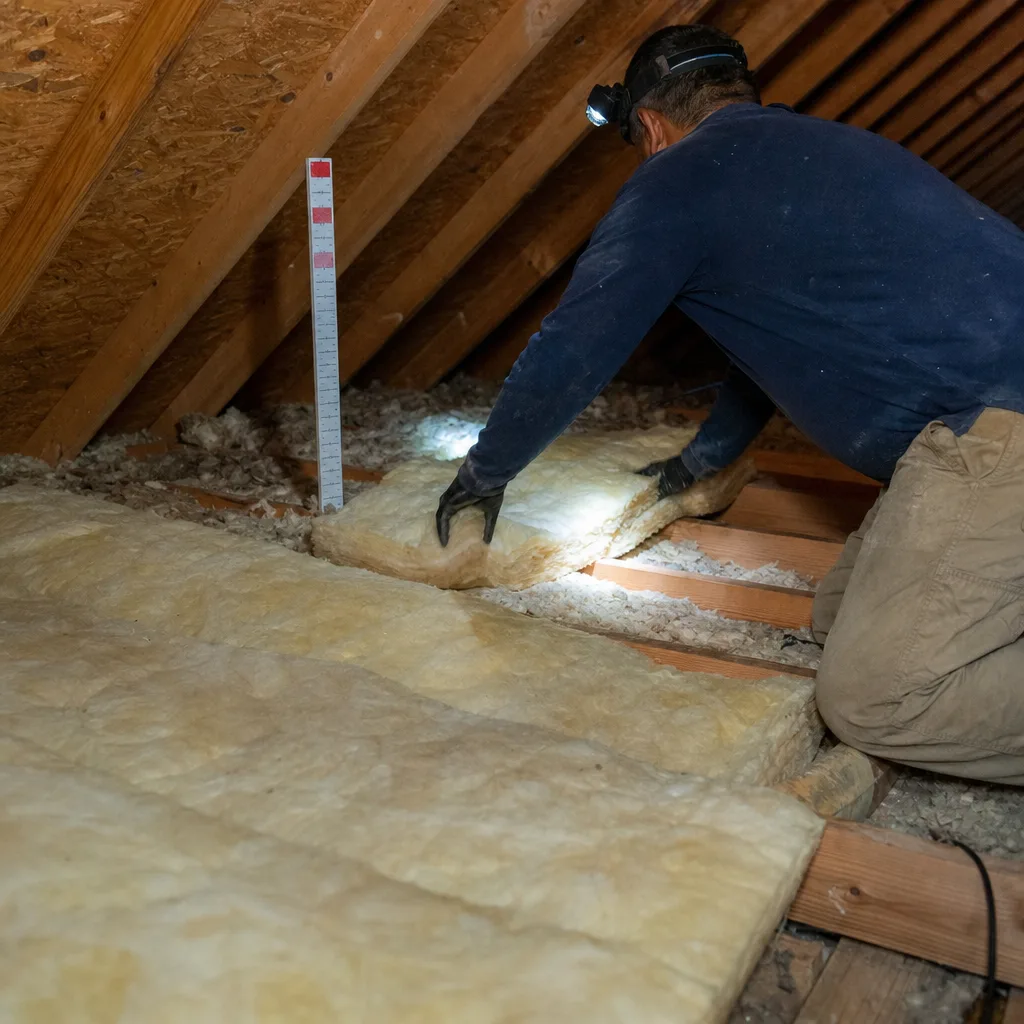
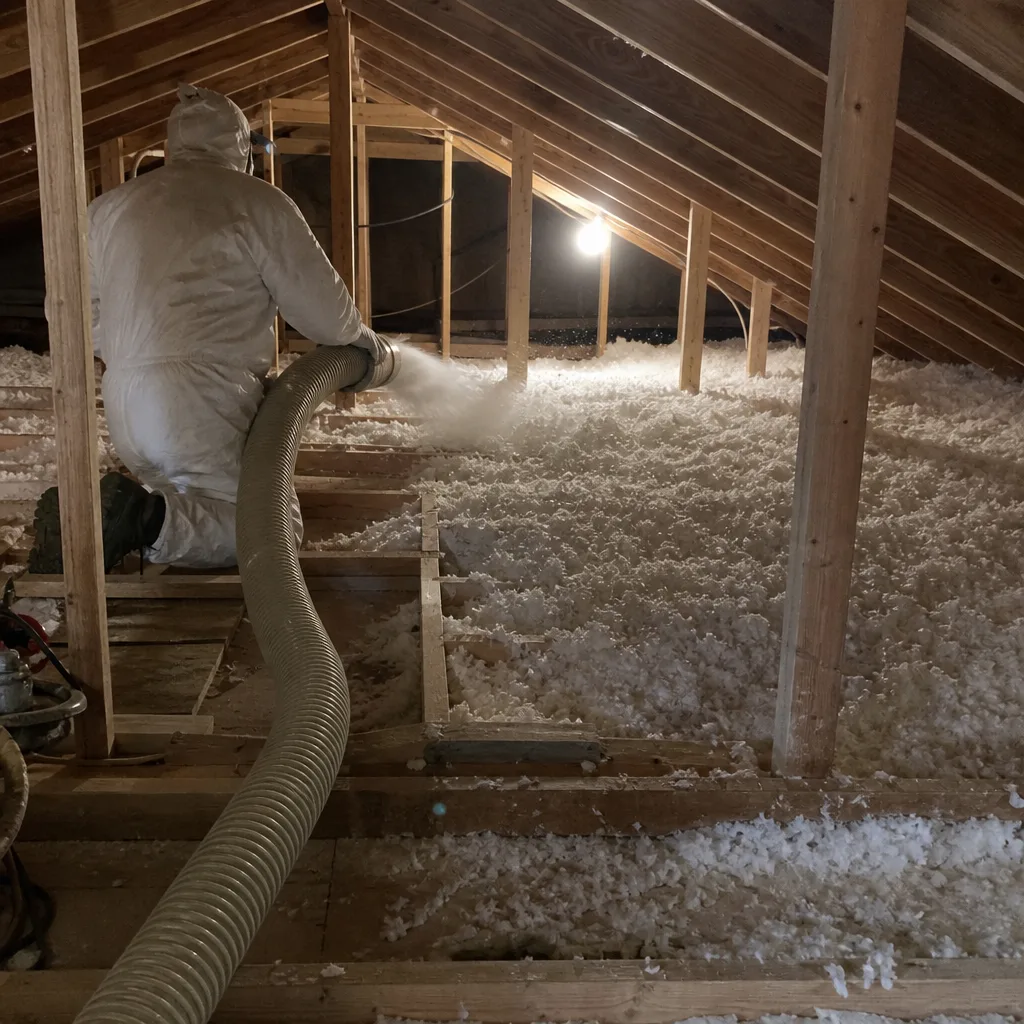
We blow GreenFiber cellulose in New Braunfels attics where the existing fiberglass is thin, uneven, or has settled below the joist tops. Cellulose fills irregular cavities better than fiberglass batts and delivers about R-3.2 per inch when installed to proper density. In the 2016-2022 production homes we see across New Braunfels, cellulose is usually the right material to top up builder-grade blown fiberglass - but only after we’ve sealed the top plates, can lights, and wiring chases that the builder skipped. We’ve found that unsealed bypasses in these attics let 140-150°F air migrate straight into conditioned space, so the R-value on the bag never translates to the bill.
Blown-In Fiberglass
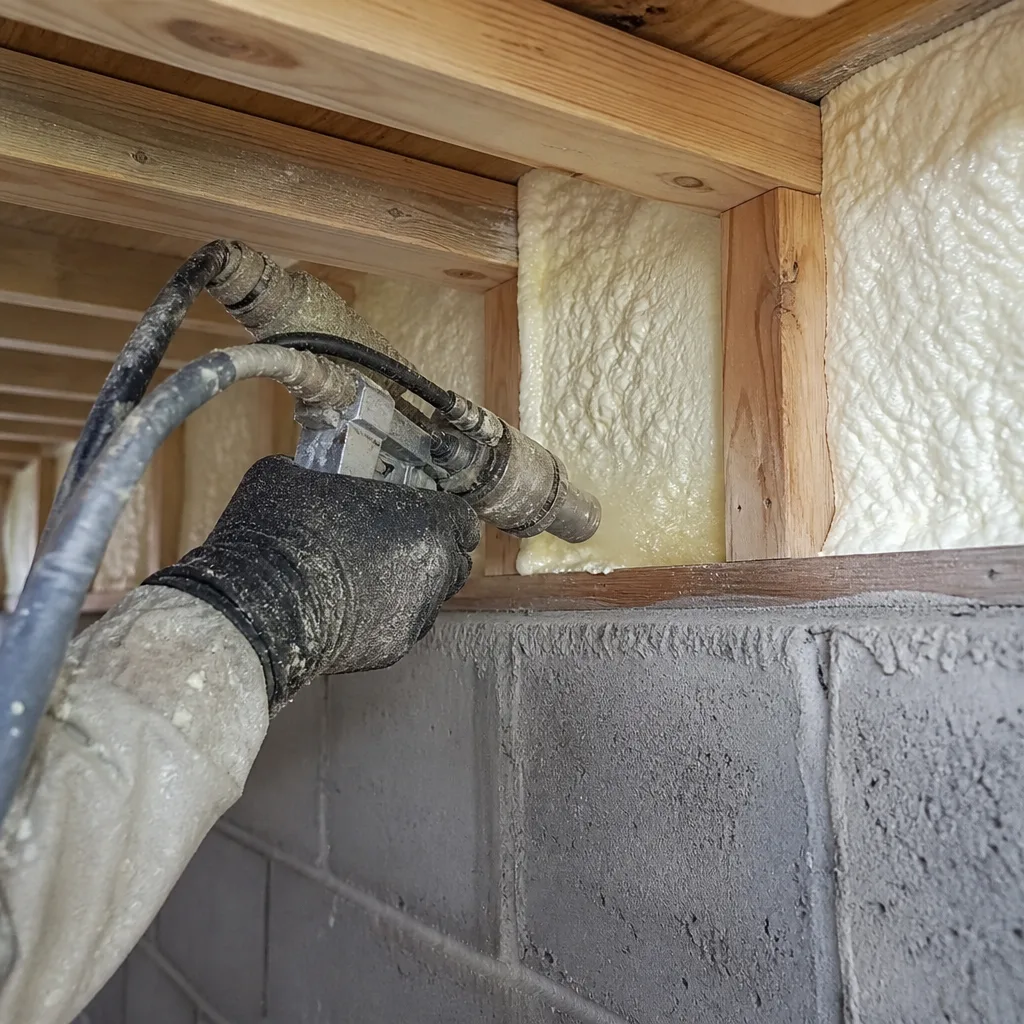
For attics that need a loose-fill application with higher R-value per inch, we use Owens Corning or Johns Manville blown fiberglass. In New Braunfels’s slab-on-grade homes, where all insulation opportunity sits in the attic plane, fiberglass works well when the cavity is already reasonably air-sealed and the homeowner wants a lighter material that won’t compress over time. We don’t recommend fiberglass as a standalone solution in homes with significant air leakage - the convective loop through the fibers can undercut the rated R-value by 30% or more in a leaky attic.
Dense-Pack Wall Insulation
New Braunfels’s older wood-frame homes - and some of the earlier production builds with accessible wall cavities - can benefit from dense-pack cellulose or fiberglass blown into closed stud bays at 3.5 pounds per cubic foot. The density creates an air-blocking effect that loose-fill attic insulation can’t match. We use this method sparingly in New Braunfels because most of the 2012-2024 stock is slab-on-grade with limited wall access, but when we do encounter a balloon-framed historic home or a remodel with open walls, dense-pack is the most effective way to address thermal bridging through the exterior envelope.
Blown-In Top-Up
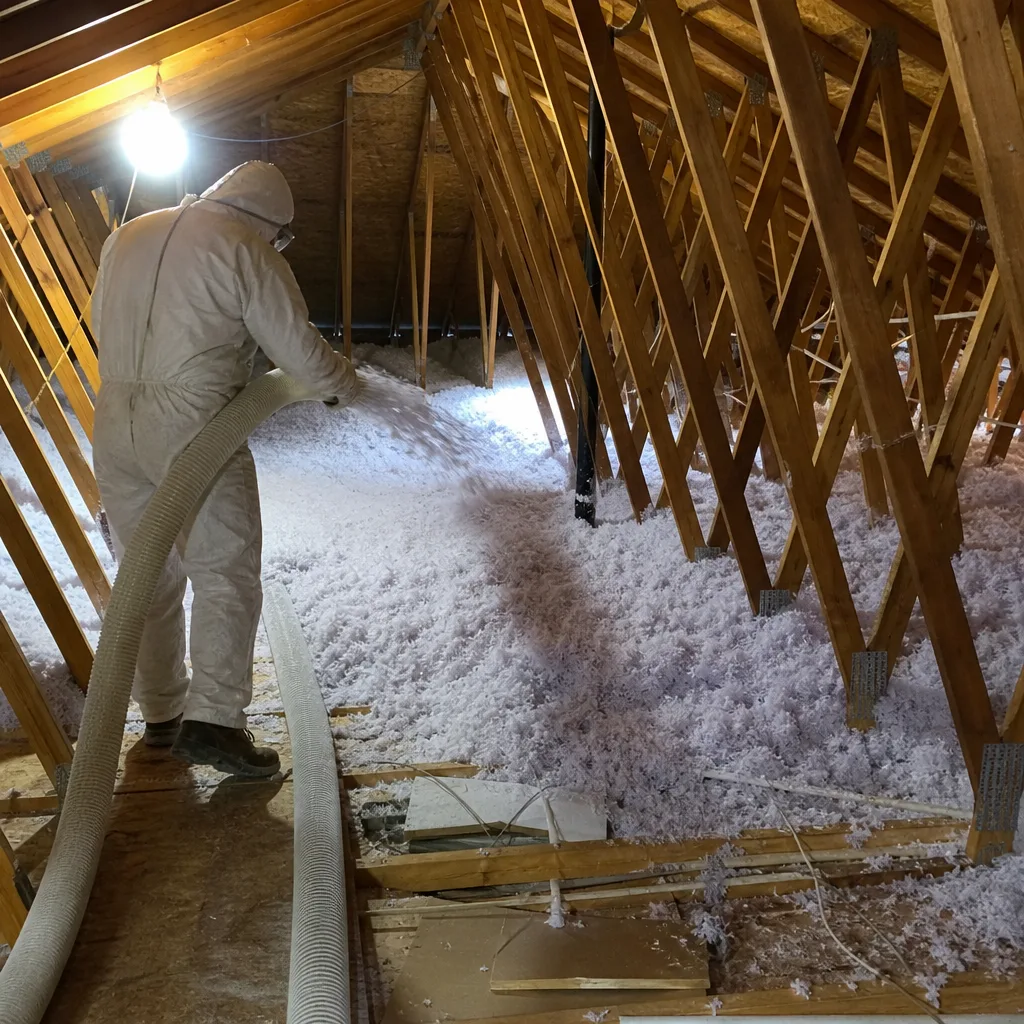
This is our most common call in New Braunfels. A homeowner in Veramendi or along FM 1101 checks their attic, sees R-38 on paper, and still can’t keep the second floor cool in August. We find thin, patchy blown fiberglass over radiant barrier sheathing, with unsealed penetrations bleeding conditioned air into a 145°F attic. Our Blown-In Insulation crew’s standard sequence: air-seal first, then measure, then blow to a uniform depth that actually covers the joists. The top-up is only worth it if the air sealing happens first. Otherwise you’re paying for material that performs at a fraction of its rating.
What happens when you call
- 1
A real person answersNo phone trees - you reach a local pro.
- 2
You get an upfront price rangeHonest numbers before anyone is dispatched.
- 3
A background-checked tech heads outLicensed & insured, dispatched right away.
- 4
You approve before work beginsNothing starts until you say go.
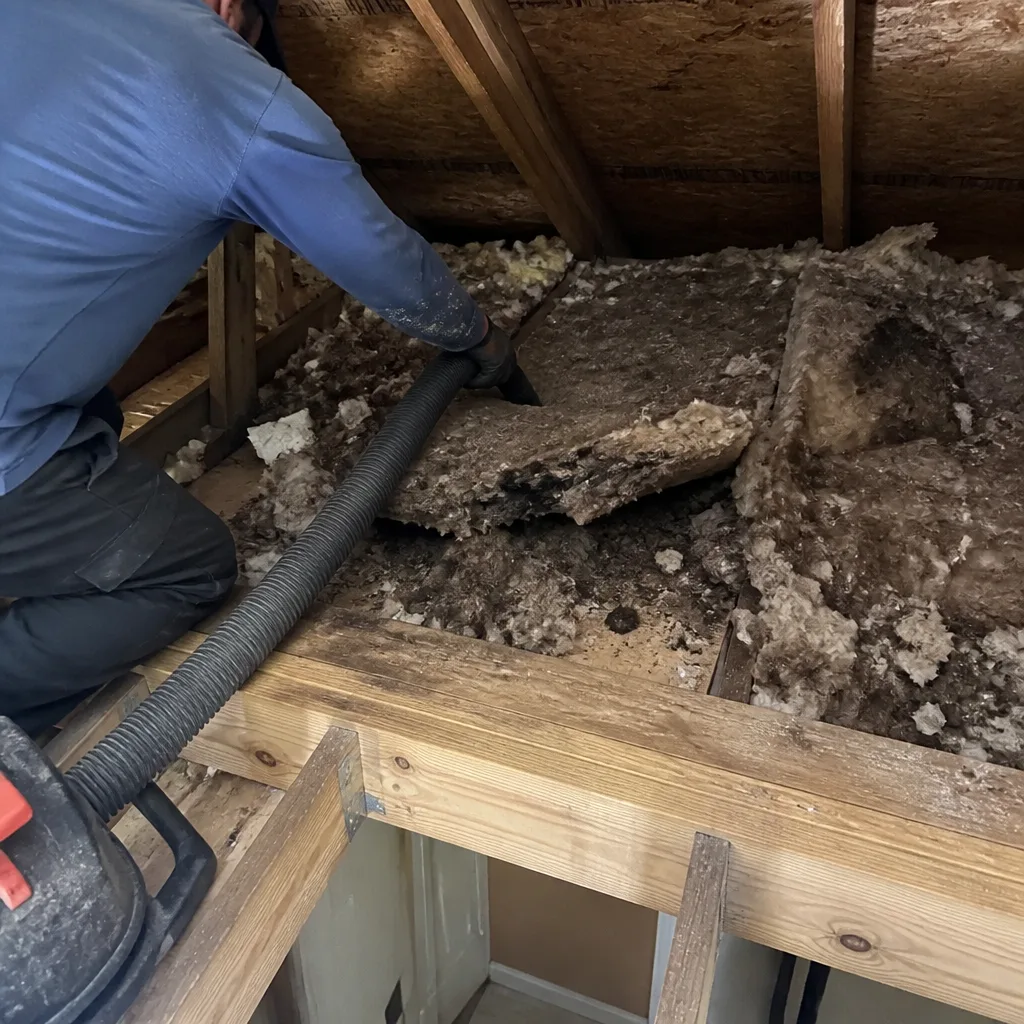 Before
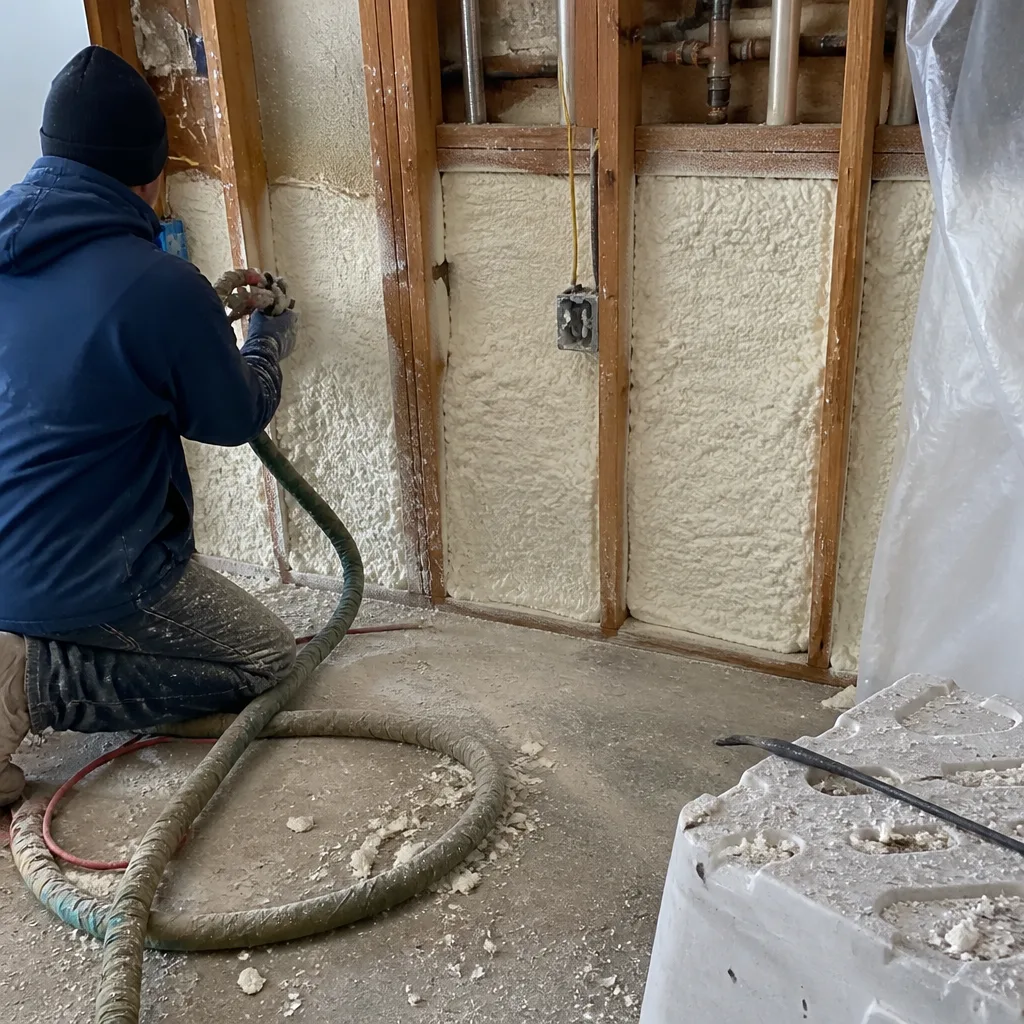 After
AfterTrusted Brands We Service in New Braunfels
We source blown-in materials from Owens Corning, Johns Manville, and GreenFiber - no proprietary lock-in, no house brand that limits your options. If your New Braunfels home already has a specific product in place and you want to match it, we can. Our San Antonio office stocks common densities and R-values for same-week turnaround on most jobs. We don’t claim exclusive or preferred status with any manufacturer; we specify what the attic actually needs, then order accordingly.
Common Blown-In Insulation Problems We See in New Braunfels Homes
- Top-ups over unsealed bypasses. In Veramendi and FM 306 subdivisions, unsealed top-plate and recessed-can penetrations let attic air at 140-150°F pour straight into the living space. The added R-value never shows up on the bill because the conditioned air is escaping faster than the new insulation can slow it.
- Thin cellulose over radiant barrier sheathing. The reflective deck hides coverage gaps from the installer’s angle, leaving bare spots that read fine on a walkthrough and fail catastrophically in the July-August attic heat. We measure depth with a ruled probe, not a visual check.
- No pre-freeze re-check after Hill Country cold swings. After a 40°F-plus overnight drop like Uri brought in February 2021, settled or disturbed blown insulation at the attic hatch and wall top plates becomes the first path for heat loss. Most homeowners don’t discover it until the next cold snap.
- Historic limestone attics with no vapor management. The pre-1960s German masonry homes near downtown and Gruene have attic assemblies that were never designed for modern insulation. Blow cellulose in without adding ventilation and air-sealing first, and you’ll trap moisture against original timber.
Pricing for Blown-In Insulation in New Braunfels, TX
A typical blown-in top-up in a New Braunfels production home runs $1,800-$2,800. Full attic replacement with air sealing first runs $3,200-$4,500. Dense-pack wall insulation, where accessible, runs $2.50-$4.00 per square foot of wall area. What moves you within those ranges: attic square footage, current insulation depth, accessibility (some Veramendi homes have tight scuttle hatches), and the extent of air sealing required before we blow anything.
Every job starts with a written price - flat, itemized, no work starts without it. That’s Haven Standard Clause 1. We also offer a Free Second Opinion on any written estimate from another contractor; bring us their scope and we’ll read it with you. Call (830) 549-6646 to schedule.
We Also Serve Cities Near New Braunfels
Our crews work throughout the corridor - New Braunfels, Seguin, Cibolo, Schertz, and Canyon Lake - with the same written-price-first protocol and documented photo record on every visit. Dispatch and scheduling are coordinated from our San Antonio office.
Serving New Braunfels, TX - Our Local Coverage Area
We’re based in the New Braunfels area and know this community well. Use the map below to see our service coverage - if you’re nearby, we can almost certainly help.
FAQs - Blown-In Insulation in New Braunfels
Probably, but only if the air sealing happens first. The 2016-2022 production homes we inspect in New Braunfels routinely have R-38 on paper with thin, uneven blown fiberglass and completely unsealed top-plate bypasses and recessed-can penetrations. The R-value rating assumes a sealed cavity; yours isn’t. We air-seal first, then blow to uniform depth, then give you a blower-door number that proves the difference. Call (830) 549-6646 for a written assessment - estimates are free.
It concentrates all insulation opportunity in the attic plane and exterior walls. Slab-on-grade construction over caliche and limestone means no crawl space to treat, so the attic becomes the entire thermal boundary. That makes air sealing at the ceiling plane even more critical - every leak point is a direct path between 145°F attic air and your living space. Our crews account for this in the blower-door target we set before starting work.
Not if the sequence is right. Those pre-1960s attics have no modern vapor management, so we add ventilation and air-sealing before any cellulose goes in. Skip that step and you trap moisture against original timber. We’ve treated enough of these homes to know the difference between a limestone attic that can accept cellulose and one that needs a different approach entirely. The site visit tells us which.
Poorly, if the insulation is disturbed or unevenly settled. The Hill Country geography channels these fronts straight through Comal County, and the rapid temperature swing exposes every gap in the thermal envelope. After Uri in February 2021, we saw a spike in calls from homeowners who’d never noticed a problem until a hard freeze. A proper installation with verified coverage and sealed penetrations handles the swing; a thin top-up over unsealed bypasses doesn’t.
We shouldn’t need to. The 365-Day Done Right Promise covers our work, but the goal is one trip with the right scope. We document every job with photos and blower-door readings before we leave, so you know what was done and how it performed. If something’s not right, we make it right. That’s Haven Standard.
Written by Wes Okafor, Owner at Topside Attic Insulation Seguin, serving New Braunfels since 2016.