
Last updated September 24, 2026
Insulation Cost Breakdown: The Seguin Homeowner’s Reference for 2026
The $1,200 attic job and the $3,800 attic job can look physically identical at the hatch. Same insulation depth, same material bag on the truck, same square footage. In Seguin, we’ve pulled back insulation on both and found the difference: one crew sealed the top plates, can lights, and wire penetrations before the blower ran. The other didn’t. Most quotes never itemize that prep work separately, which is how it disappears from comparison shopping. This guide breaks down every line item that drives the $0.25 to $2.80 per square foot spread in Seguin’s 2026 insulation market, so you can compare bids against scope, not against each other. For more guides & resources on home performance, see our blog.
Quick Answer
Insulation costs in Seguin range from $0.25 to $2.80 per square foot installed, with most whole-attic jobs falling between $1,200 and $3,800. The variance comes from air-sealing scope, material density, and whether blower-door verification is included, not from material choice alone. A legitimate 2026 quote itemizes prep work, lists R-value targets, and includes a written scope with a fixed price before any work starts.
Table of Contents
- Why Two Identical Seguin Homes Get Quotes $2,000 Apart
- Material Costs by Type: What Seguin Homeowners Pay in 2026
- Air Sealing: The Hidden Line Item That Determines Performance
- Blower-Door Testing: Upfront Cost, Long-Term Arithmetic
- CPS Energy Rebates: Which R-Values Qualify and How to Invoice for Them
- What a Legitimate Written Quote Contains (And What a Verbal Estimate Hides)
- Common Mistakes to Avoid
- When to Call a Professional
- Frequently Asked Questions
- The Bottom Line
 Before
 After
AfterWhy Two Identical Seguin Homes Get Quotes $2,000 Apart
The Guadalupe Valley runs hot and humid from May through October, then snaps cold enough in January to stress poorly sealed envelopes. Seguin homes built between 1970 and 2010, which is most of the housing stock in neighborhoods like River Oaks, Walnut Branch, and the older streets near Texas Lutheran University, share a common problem: adequate insulation depth with catastrophic air leakage. Watch for insulation warning signs: a Seguin homeowner’s reference guide to spot these issues early.
Here’s how two 1,500-square-foot attics in Seguin can quote $1,200 and $3,800 for what a homeowner might describe as “just blow in more insulation.”
Quote A at $1,200: Blow R-30 cellulose over existing fiberglass to achieve R-38 total. No air sealing. No penetration treatment. No blower-door test. Two-hour job, one crew, no prep.
Quote B at $3,800: Remove existing compressed fiberglass. Seal all top plates with acoustical sealant. Box and seal can lights with fire-rated covers. Seal wire and plumbing penetrations with expanding foam. Install baffles at eaves for ventilation. Blow R-38 cellulose to consistent depth. Blower-door test before and after. Documented Photo Record. Written warranty.
Both quotes say “attic insulation.” Only one describes a building envelope.
The Seguin market in 2026 is seeing this gap widen because material costs have stabilized while labor rates for skilled air-sealing work have climbed. A blower-door technician, a pressurization reading that shows in one number how much conditioned air your building envelope is losing, commands higher wages than a standard insulation installer. Crews that understand stack effect, the natural upward movement of warm air that pulls conditioned air out through attic leaks in winter and draws superheated attic air down through ceiling penetrations in summer, are not interchangeable with crews that only run blowers.
We’ve worked in Seguin homes where the previous insulation contractor blew new material directly over unsealed recessed can lights. In summer, those lights became convection ovens, baking the new cellulose and creating moisture zones. The homeowner paid for R-38 and got mold. Scope matters more than material.
Material Costs by Type: What Seguin Homeowners Pay in 2026
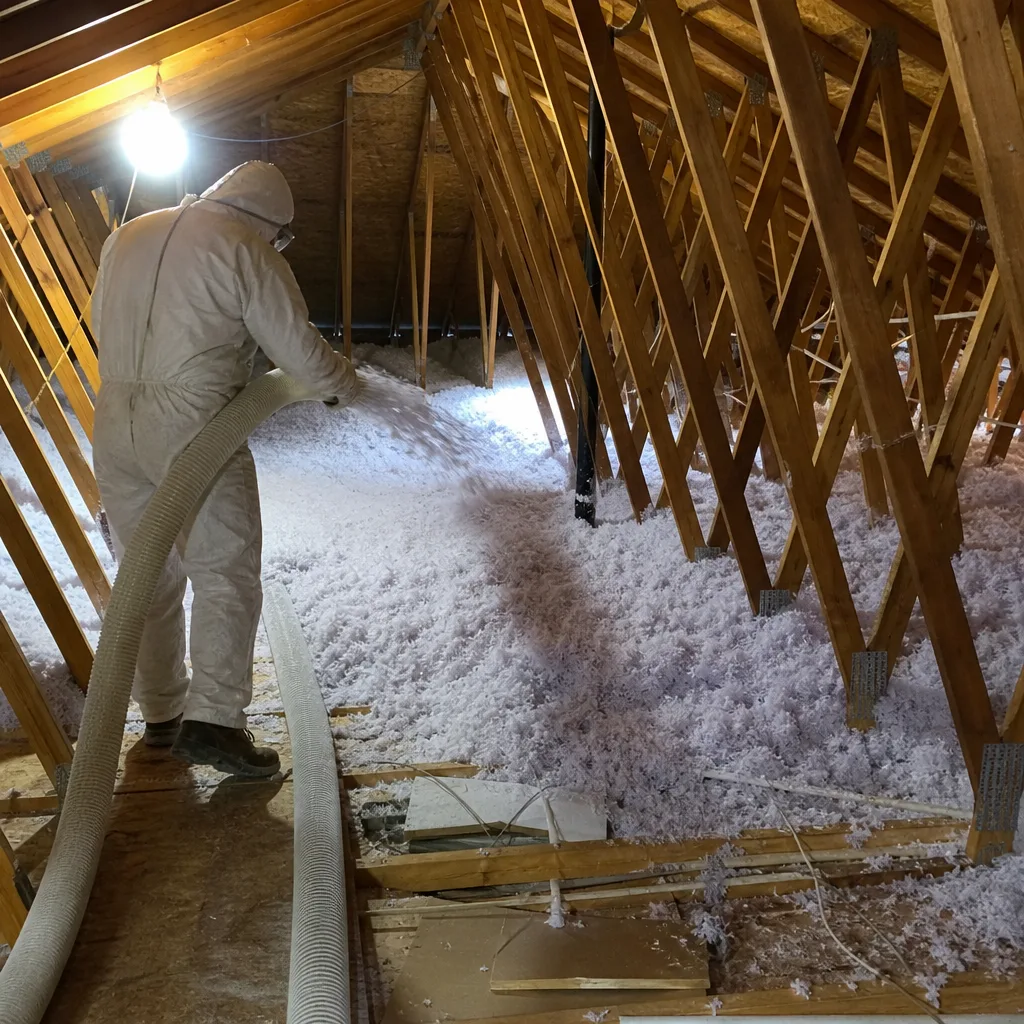
These ranges reflect Seguin’s 2026 labor market, including worker’s comp, fuel, and disposal costs specific to Guadalupe County. Prices move with attic accessibility, existing insulation condition, and whether the job includes removal.
| Material | Installed Cost per Sq. Ft. | Typical R-Value per Inch | Best Application in Seguin |
|---|---|---|---|
| Blown cellulose (GreenFiber) | $0.85 - $1.40 | R-3.2 to R-3.8 | Attic floors, retrofits, cost-focused whole-attic jobs |
| Blown fiberglass (Owens Corning, Johns Manville) | $0.90 - $1.55 | R-2.2 to R-2.7 | Attic floors where moisture management is priority |
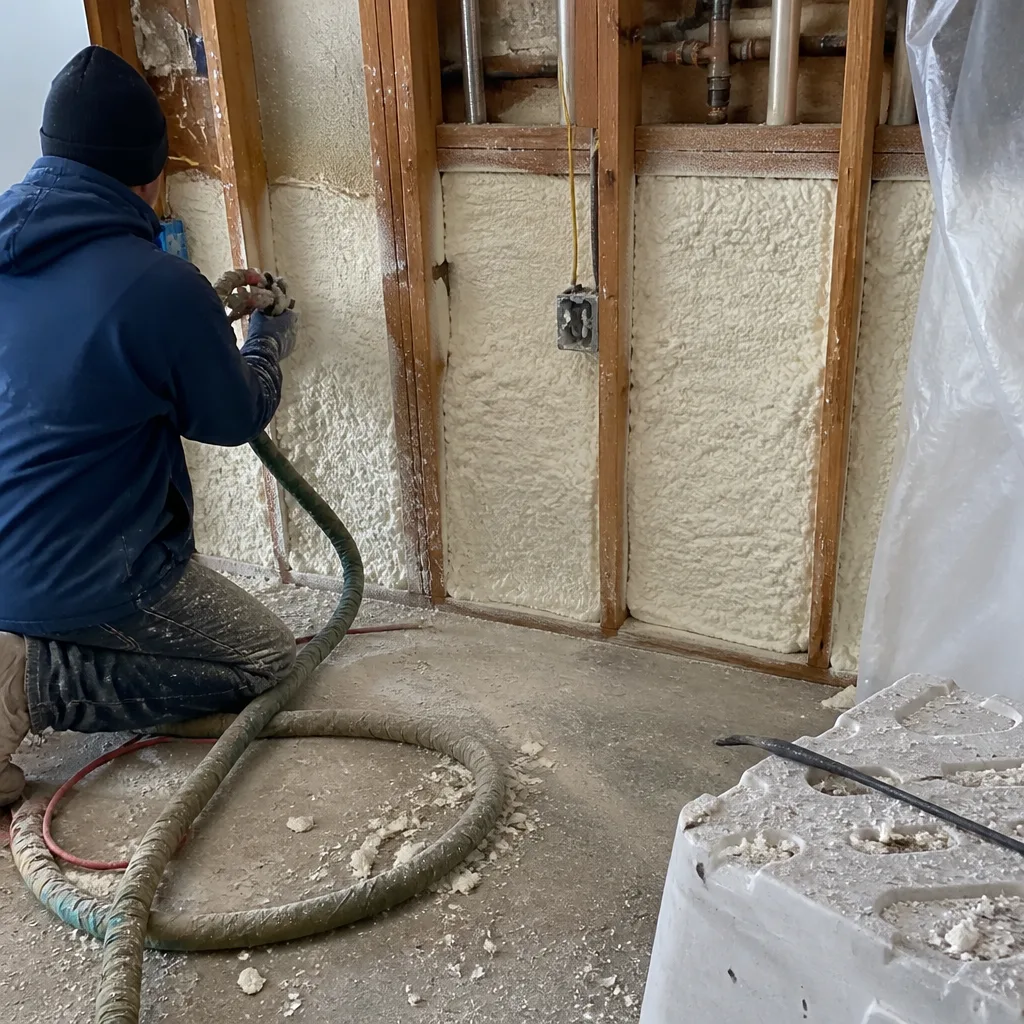
| Open-cell spray foam (Icynene, Demilec) | $1.60 - $2.20 | R-3.5 to R-3.7 | Vaulted ceilings, irregular framing, air barrier integration |
| Closed-cell spray foam | $2.10 - $2.80 | R-6.0 to R-6.5 | Crawl spaces, rim joists, structural reinforcement needs |
Variables that push these numbers up:
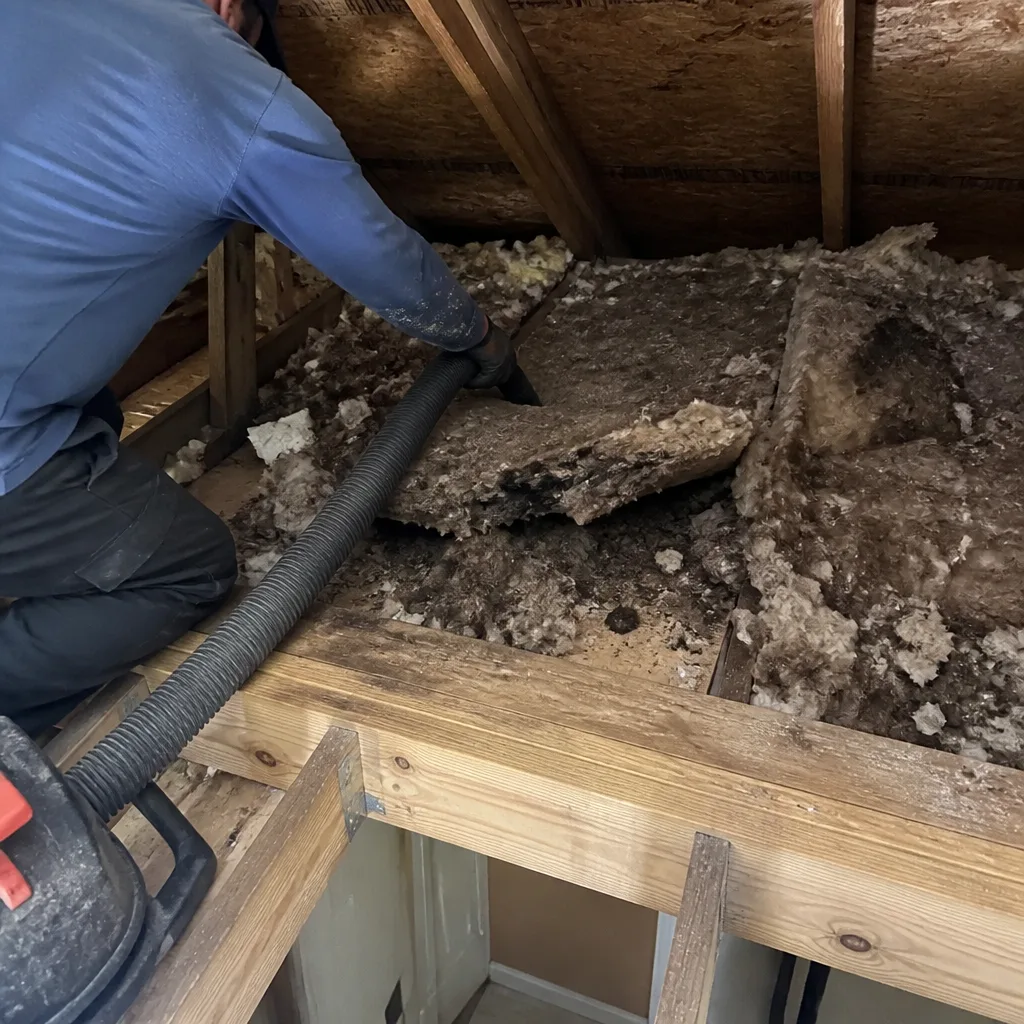
- Removal of existing material: Add $0.40 to $0.85 per square foot. Old fiberglass saturated with rodent activity, common in Seguin’s older neighborhoods near the Guadalupe River, requires HEPA vacuum extraction and disposal at specified facilities.
- Decking or storage platforms: Add $150 to $400 per platform. Many Seguin homeowners use attics for seasonal storage; raising decking to accommodate full-depth insulation adds labor.
- Cathedral or vaulted ceilings: Multiply base cost by 1.4 to 1.8. Limited access, dense-packing requirements, and safety protocols slow production.
- Travel to outlying areas: Jobs in McQueeney, New Berlin, or beyond Seguin city limits may carry fuel surcharges of $50 to $150.
We’ve installed Knauf fiberglass in a 1980s ranch near Seguin High School where the attic was so tight we hand-carried every bag. That job ran at the top of the range. We’ve also blown GreenFiber cellulose through a generous scuttle hole in a new build near Kingsbury, where the machine sat in the driveway and the crew barely broke stride. That job hit the low end. Same material, different geometry.
What doesn’t vary: the written price before any work starts. Under Haven Standard Clause 1, every Seguin homeowner receives a flat price, written scope, and written warranty before anyone lifts a tool.
Air Sealing: The Hidden Line Item That Determines Performance
Air sealing is not an upsell at Topside Attic Insulation Seguin home. It is a hard prerequisite. We will not blow insulation over an unsealed attic floor. The reason is measurable: a blower-door test on a typical Seguin home built before 2005 will read 3,500 to 5,500 CFM50, cubic feet per minute at 50 Pascals of pressure, before sealing and 1,800 to 2,800 after comprehensive attic air sealing. That reduction, 40 to 50 percent, happens before insulation depth increases by one inch.
Here’s what legitimate air sealing includes and what it costs in Seguin’s 2026 market:
| Component | Description | Typical Cost |
|---|---|---|
| Top plate sealing | Acoustical sealant or gasket at wall-to-ceiling junction, continuous | $180 - $340 |
| Recessed can light covers | Fire-rated boxes over non-IC fixtures; seal to drywall | $25 - $45 each |
| Wire and pipe penetration foam | Expanding foam at electrical, plumbing, HVAC penetrations | $120 - $220 |
| Chimney chase and flue dam | Sheet metal dam, fire-caulked, with proper clearance | $150 - $280 |
| Attic access hatch treatment | Insulated cover, weatherstrip, latch seal | $85 - $160 |
| Duct boot sealing | Mastic or foil tape at flex duct connections to ceiling | $15 - $30 each |
Total air-sealing scope for a 1,500-square-foot Seguin attic: $650 to $1,400. Most competitors bury this in “prep” or omit it entirely. When we provide a Attic Insulation in Seguin quote, air sealing is itemized separately so the homeowner sees exactly what performance they’re purchasing.
The absence of air sealing from a quote is not a savings. It is a scope reduction that leaves the home’s thermal envelope compromised. In Seguin’s climate, where summer attic temperatures exceed 140°F, unsealed can lights act as thermal chimneys. Conditioned air escapes year-round. The homeowner pays for R-38 and experiences R-19 performance because the air moves through and around the material.
We’ve documented this repeatedly. A home on Court Street in Seguin showed 4,200 CFM50 pre-sealing, 2,100 post-sealing. The homeowner’s CPS Energy bill dropped 23 percent the following summer despite no change in thermostat setting. The insulation depth didn’t change. The air movement did.
Blower-Door Testing: Upfront Cost, Long-Term Arithmetic
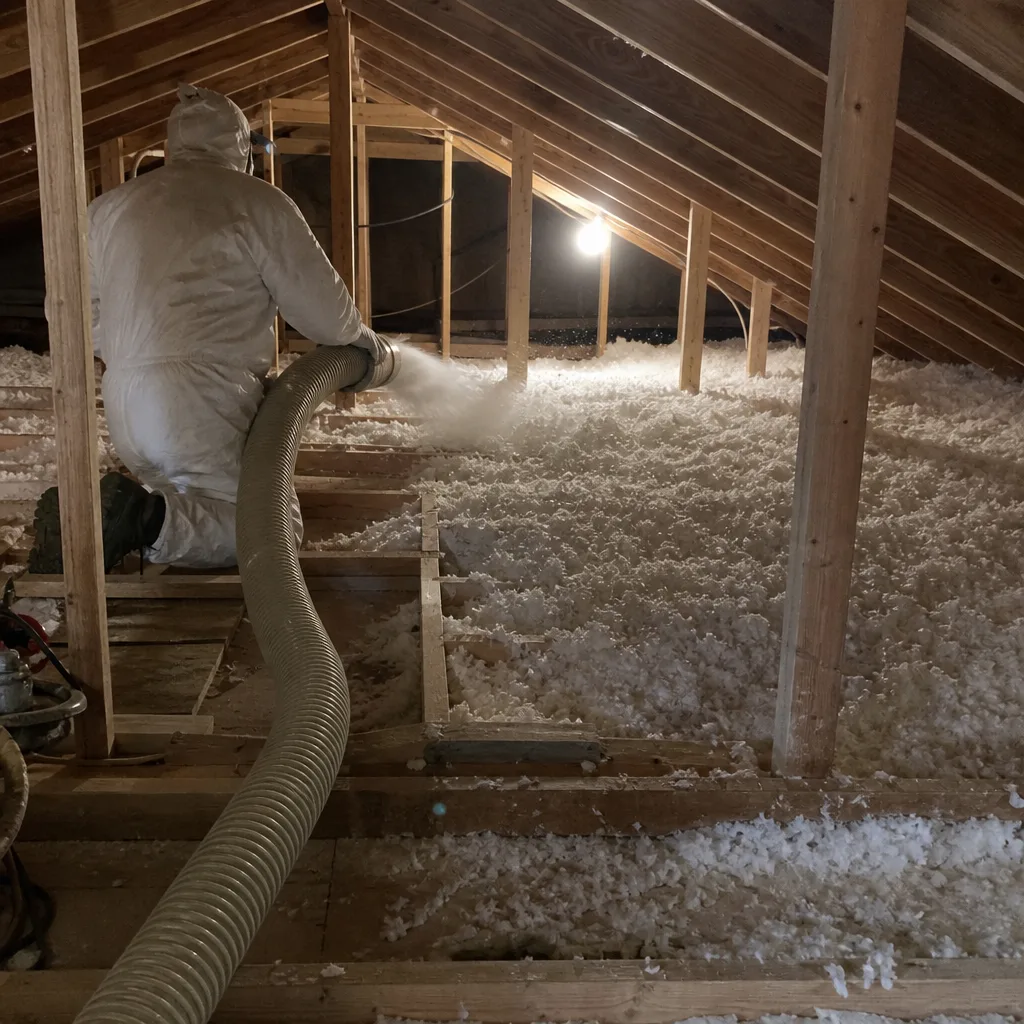
A blower-door test adds $250 to $450 to a Seguin insulation job. The test itself takes 45 minutes to an hour: depressurize the house to 50 Pascals, measure airflow through the fan, identify leakage points with smoke pencils or infrared cameras, then repeat after work is complete. The deliverable is two numbers and a thermal image set, documented in the homeowner’s record.
Here’s the arithmetic that justifies the fee:
- Typical Seguin home pre-sealing: 4,000 CFM50. At Seguin’s $0.13 per kWh average blended rate, this leakage costs approximately $380 to $520 annually in heating and cooling load.
- Same home post-comprehensive air sealing and insulation: 2,000 CFM50. Annual leakage cost drops to $190 to $260.
- Savings: $190 to $260 per year.
- Blower-door test fee amortized: $350 ÷ $225 average annual savings = 1.6 years to recover. Over five years, the test returns $1,125 in verified savings against a $350 cost.
This assumes energy rates hold flat, which they won’t. CPS Energy’s rate structure has increased base charges in three of the last five years. The actual payback period is likely shorter.
More importantly, the blower-door test provides documentation that the work performed actually changed the building’s performance. Without it, a homeowner has only the contractor’s word. With it, they have a pressurization reading, a number that shows in one figure how much conditioned air the home was losing before and after. Every applicable job at Topside Attic Insulation Seguin includes this documentation. It’s part of the product, not an add-on.
We’ve had Seguin homeowners bring us competing quotes that were $800 lower. When we walked through the scope, no blower-door test. No pre-work measurement. No verification that the air sealing actually worked. The $800 savings purchased uncertainty.
CPS Energy Rebates: Which R-Values Qualify and How to Invoice for Them
CPS Energy offers insulation rebates for residential customers in Seguin and surrounding Guadalupe County service territory. The 2025-2026 program structure rewards performance, not just purchase. Understanding the thresholds and documentation requirements prevents homeowners from paying for work that doesn’t qualify.
Current rebate tiers:
- Attic insulation to R-38 from below R-30: $0.15 per square foot, maximum $300.
- Attic insulation to R-49 from below R-38: $0.20 per square foot, maximum $400.
- Wall insulation (dense-pack or injection): $0.40 per square foot, maximum $500.
- Air sealing with verified 15% CFM50 reduction: $150 flat rebate, requires pre- and post-blower-door test.
Invoice requirements that competitors often miss:
- Line-item R-value before and after, not just “insulation added.”
- Material manufacturer and product name, GreenFiber, Owens Corning, etc.
- Square footage treated, calculated from measured dimensions, not estimated.
- For air-sealing rebate: dated blower-door report with CFM50 before and after, technician signature, and equipment calibration date.
- Contractor license number and proof of insurance.
We’ve reviewed Seguin homeowner invoices where the contractor installed R-38 but wrote “insulation upgrade” on the receipt. CPS Energy denied the rebate. The homeowner paid full price for work that should have qualified for $300 back. Specificity on the invoice is not bureaucracy. It is money.
The air-sealing rebate is particularly valuable because it stacks with material rebates. A Seguin homeowner who goes from R-19 to R-38 with verified air sealing can collect both the $300 insulation rebate and the $150 air-sealing rebate, $450 total, against a job that might cost $2,800. The effective cost drops to $2,350. But only if the contractor documents properly.
Under Haven Standard, every Topside Attic Insulation Seguin invoice includes the required line items by default. The homeowner doesn’t need to ask.
What a Legitimate Written Quote Contains (And What a Verbal Estimate Hides)
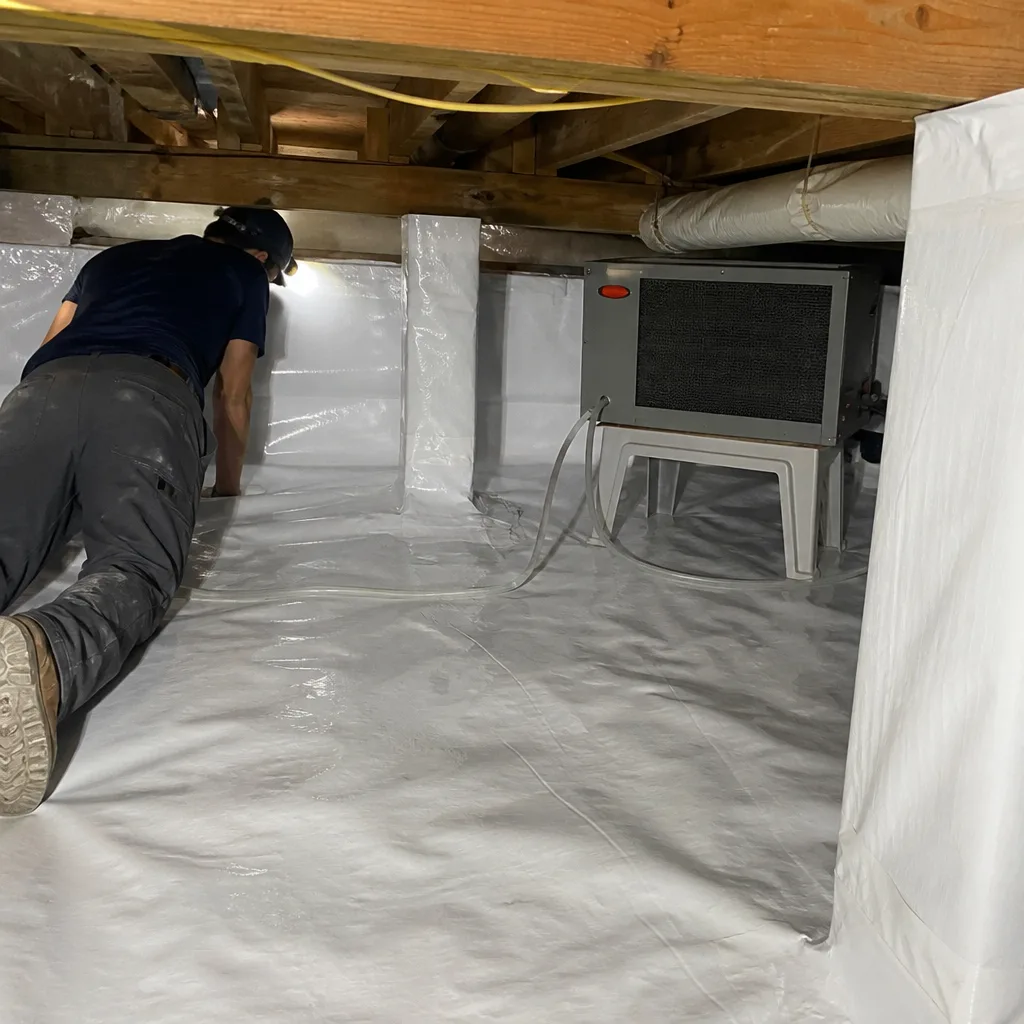
A verbal estimate is not a quote. It is a conversation. In Seguin’s 2026 insulation market, where material costs fluctuate quarterly and labor availability shifts with construction season, a verbal number given on a Tuesday can become “that was just a ballpark” by Friday. The Haven Standard requires a written price before any work starts, always. Here’s what that document actually contains, and what its absence signals.
Required elements of a legitimate written quote:
- Fixed price, not “estimate” or “range”: The number does not change unless the homeowner changes the scope. Period.
- Written scope of work: Specific tasks, materials, depths, and areas. “Blow insulation in attic” is not a scope. “Remove existing compressed fiberglass from 1,200 sq. ft. attic floor. Seal 14 recessed can lights with fire-rated covers. Seal top plates continuous. Install R-38 GreenFiber cellulose to 12-inch depth per manufacturer specification. Blower-door test before and after. Documented Photo Record.” That is a scope.
- Material specifications: Manufacturer, product line, and R-value per inch. Not “fiberglass” or “spray foam.”
- Warranty terms: Duration, coverage, and transferability. The 365-Day Done Right Promise, if it’s not done right, we make it right, backed by written scope and written warranty delivered before anyone starts.
- Payment terms: Deposit amount, progress payments if any, final payment trigger.
- Start and completion dates: Or date range with weather contingency.
- Contractor license and insurance verification: State-registered, insured and bonded.
Red flags in Seguin:
- Pressure to sign immediately for a “today only” price. This is urgency theatre, manufactured scarcity, and it violates Haven Standard.
- Verbal assurance that “we’ll figure out the details when we get there.” Scope discovery happens during assessment, not after payment.
- No mention of air sealing in a quote that includes attic insulation. In Seguin’s climate, this is either incompetence or intentional scope reduction.
- Quote significantly below market without itemization. The $800 attic job usually skips prep, uses lower-density material, or lacks documentation.
We’ve provided Free Second Opinions on written estimates from other Seguin contractors. In one case, a homeowner brought us a $1,400 quote for “attic insulation, R-38.” The scope was blank. We called the contractor with the homeowner present and asked what air sealing was included. The answer: “We don’t really do that unless there’s a problem.” The homeowner chose our $2,900 quote with full scope documentation. Two years later, their energy bills are down 31 percent and they have blower-door readings to prove why.
The written quote is part of the product. It is the only document that matters if performance doesn’t match promise.
Common Mistakes to Avoid
- Comparing per-square-foot prices without verifying scope. A $0.85 cellulose job that skips air sealing is not cheaper than a $1.20 job that includes it. It’s a different product entirely. Always demand itemized scope before comparing numbers.
- Ignoring Seguin’s humidity when choosing material. The Guadalupe Valley’s 70%+ summer humidity can degrade improperly installed fiberglass. Cellulose, treated with borate, resists mold better in vented attics with marginal ventilation. Material choice should match microclimate, not just R-value per dollar.
- Skipping the pre-work blower-door test to save $350. Without a baseline, there is no verification that air sealing worked. The test fee pays for itself in 18 months and provides documentation for CPS Energy rebates.
- Adding insulation over wet or moldy existing material. We’ve found active rodent infestations and roof leaks buried under fresh blown-in in Seguin homes near the river. Insulation over moisture becomes a sponge. Removal and remediation add cost, but covering it adds structural damage.
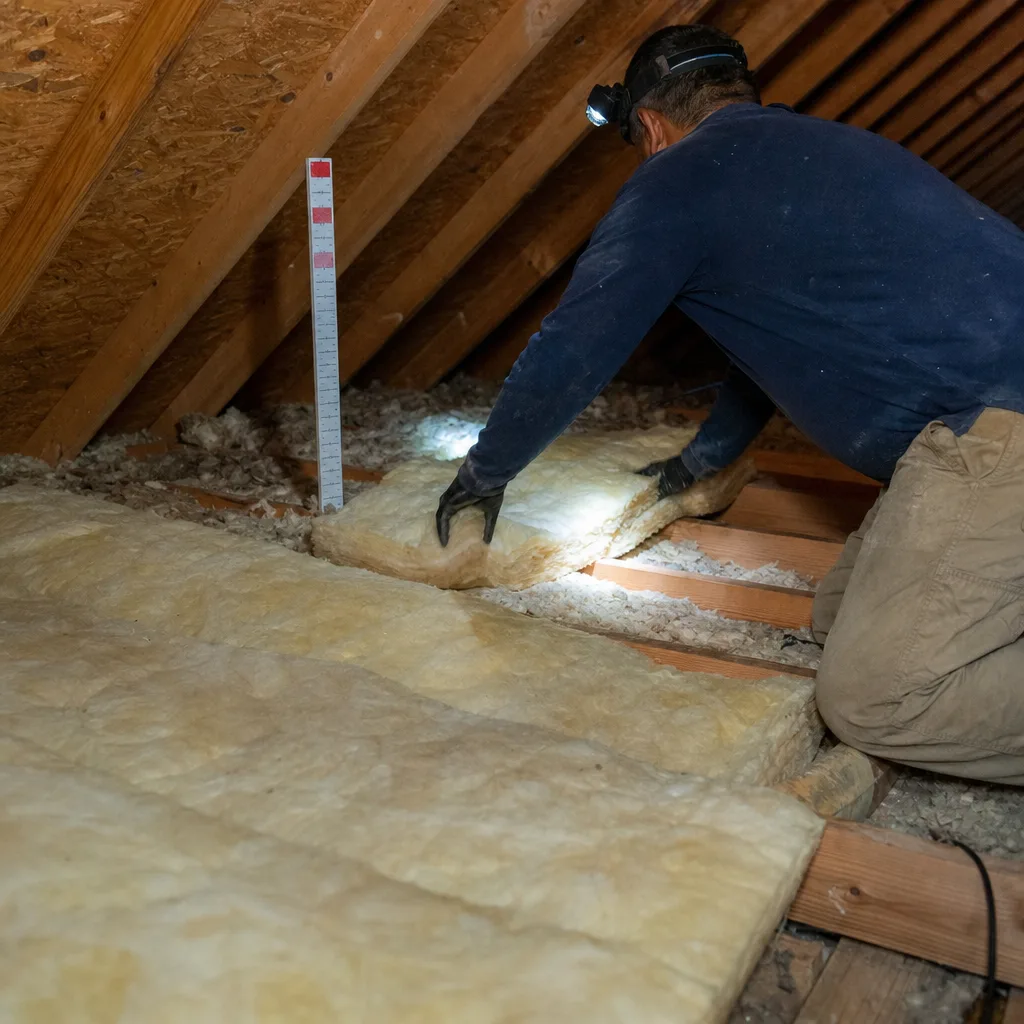
- Trusting depth markers alone. Some crews install rulers at the hatch and blow thin everywhere else. A legitimate job includes depth verification across the attic field, documented in the photo record.
- Neglecting attic ventilation when adding insulation. Baffles at eaves are required to maintain soffit-to-ridge airflow. Blocked ventilation in Seguin’s heat creates shingle-warranty voids and ice dam risk in rare cold snaps.
- Accepting a verbal estimate for a job over $1,000. Texas does not require written contracts for residential insulation, but the absence of documentation leaves homeowners without recourse. The Haven Standard requires written price, written scope, written warranty, always.
When to Call a Professional
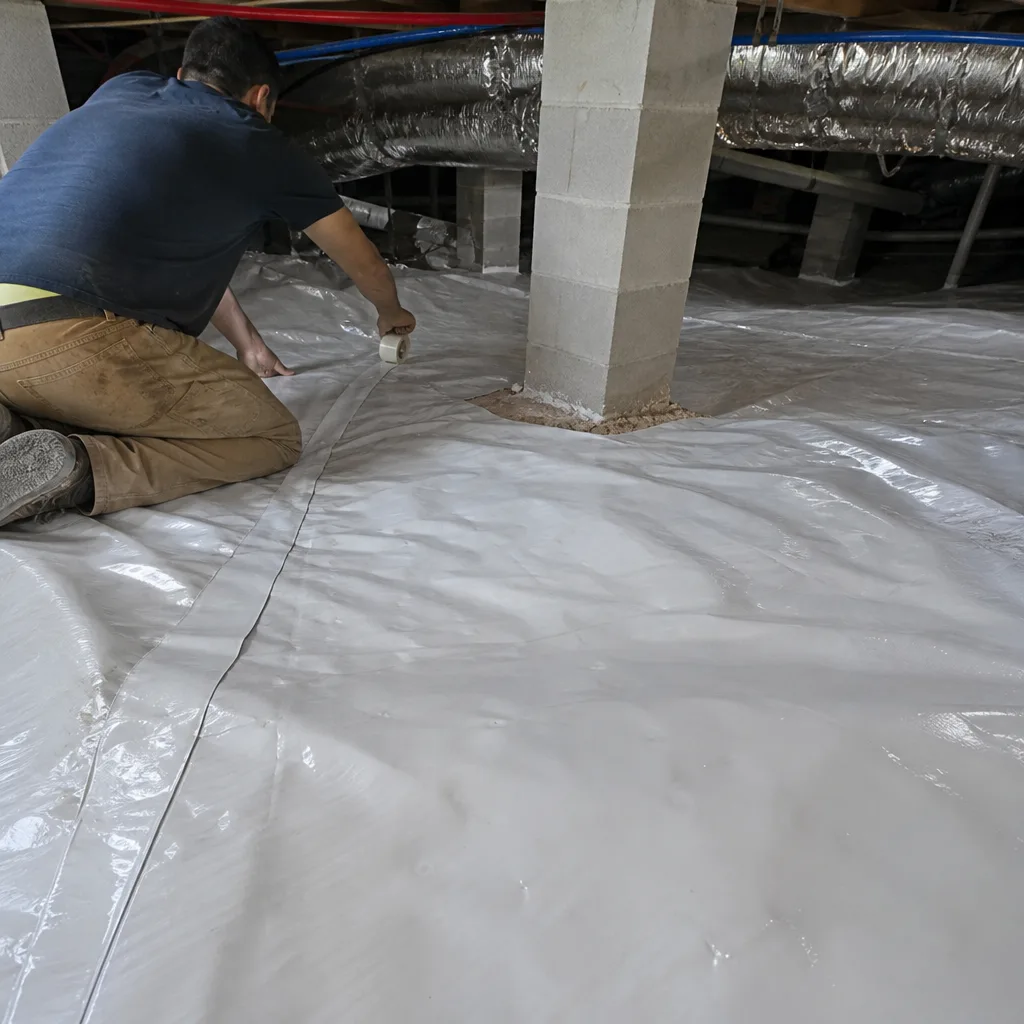
Call a professional when your energy bills spike without thermostat changes, when rooms on your Seguin home’s second floor stay hot despite running the AC continuously, or when you find insulation compressed below joist tops or disturbed by rodent activity. For ongoing protection, follow our seasonal insulation care for Seguin: year-round homeowner’s guide. Also call before undertaking any renovation that opens walls or ceilings, air sealing and insulation are far cheaper to integrate than to retrofit.
Topside Attic Insulation Seguin offers free estimates in Seguin, including Crawl Space Encapsulation & Vapor Barrier in Seguin and Spray Foam Insulation in Seguin. Every assessment includes a written scope and fixed price before any work starts. Call (830) 549-6646 to schedule. A live person answers 24/7, no voicemail loops, no callback windows measured in business days.
Frequently Asked Questions
Most attic insulation jobs in Seguin run between $1,200 and $3,800 for a typical 1,500-square-foot home, with per-square-foot costs ranging from $0.85 to $1.55 for blown materials and $1.60 to $2.80 for spray foam. The variance depends on air-sealing scope, material removal needs, and whether blower-door verification is included. Call (830) 549-6646 for a written quote with itemized scope, estimates are free.
Repair, meaning spot-addition over existing material, costs less upfront but often wastes money. In Seguin, we’ve found that insulation installed before 2010 is frequently compressed, moisture-affected, or compromised by air leakage. Removal and replacement with proper air sealing typically costs 40% more than spot repair but delivers 60% better performance. The correct answer depends on condition, which we assess with visual inspection and moisture meters during our free estimate.
Same-day installation is possible for emergency situations, extreme temperature conditions or sudden equipment failure, but we do not recommend it for standard jobs. Proper assessment, written scope development, and material ordering take 24 to 48 hours. Rushed jobs skip the blower-door test and air-sealing prep that determine long-term performance. For true emergencies, call (830) 549-6646 and we’ll dispatch a crew with temporary measures and schedule full work within 72 hours.
Seguin falls in IECC Climate Zone 2, where code requires R-30 to R-49 in attics depending on construction date. We recommend R-38 as minimum and R-49 for homeowners planning to stay 7+ years. The incremental material cost, typically $200 to $400 for a 1,500-square-foot attic, pays back in 3 to 4 years through reduced cooling load in Seguin’s extended summer season.
Yes. Air sealing matters more in cooling-dominated climates like Seguin’s than in heating-dominated regions. In summer, your attic reaches 130°F to 150°F. Every unsealed can light, wire penetration, and top plate acts as a thermal chimney, pulling that superheated air into conditioned space. Air sealing stops this migration before insulation slows conductive heat gain. The blower-door test quantifies the result: typical Seguin homes see 40 to 50% leakage reduction from comprehensive attic air sealing alone.
Qualify by installing to specified R-values with documented before-and-after measurements, and by submitting an invoice with required line items. For attic insulation, you need R-38 minimum from below R-30, or R-49 from below R-38. For the air-sealing rebate, you need a pre- and post-blower-door test showing 15% CFM50 reduction minimum. The invoice must show material manufacturer, product name, square footage, and contractor credentials. We handle this documentation automatically on every qualifying job.
The Bottom Line
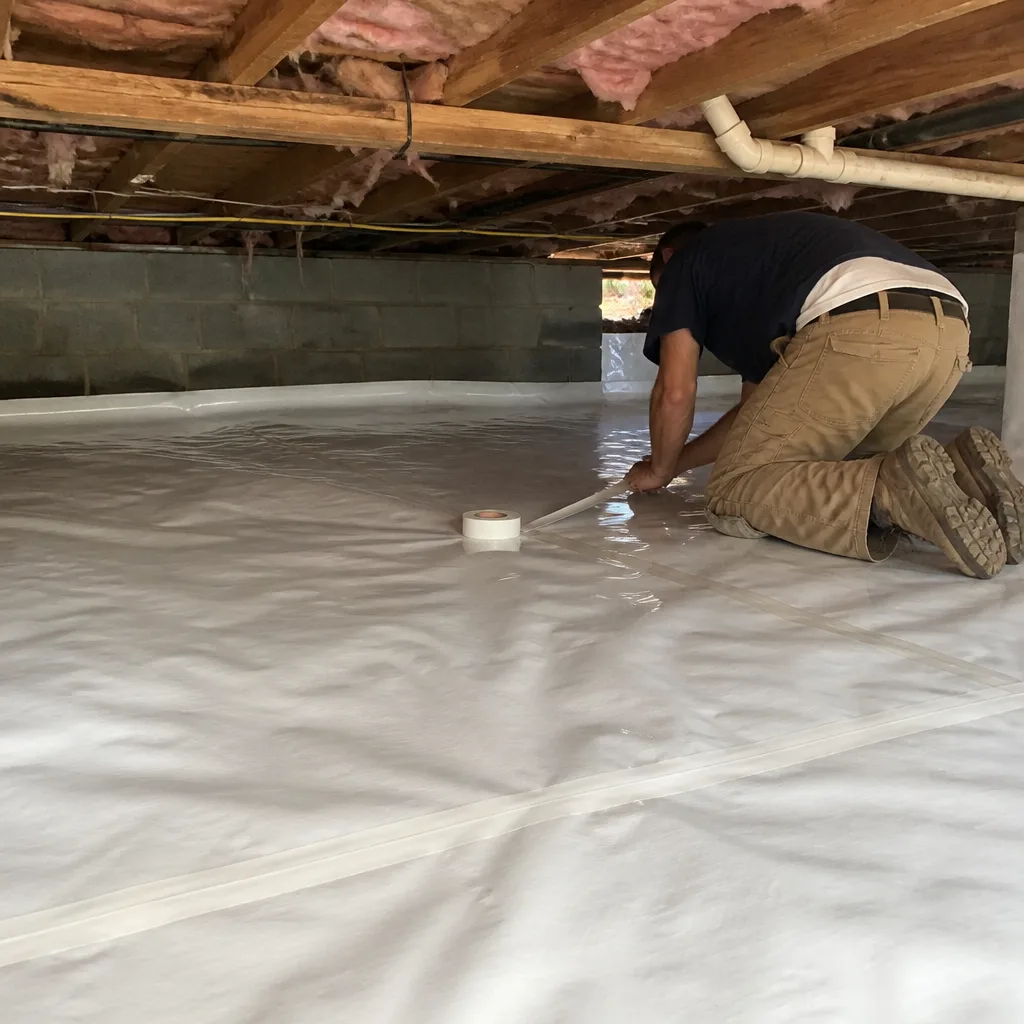
Insulation cost in Seguin is not a material price. It is a scope price. The $0.25 to $2.80 per square foot spread reflects differences in air-sealing preparation, verification testing, and documentation, not just bag count on the truck. A legitimate 2026 quote itemizes every component, fixes the price before work starts, and delivers measurable proof of performance when the crew leaves. Compare bids against work performed, not against each other. The cheapest quote that skips sealing buys you a bag of cellulose and a leaky ceiling. The correctly scoped job buys verified comfort, documented savings, and a warranty you can enforce.
Since 2016, we’ve sealed and insulated 9,000+ homes, every one with a written price before work started and a documented record when the crew left. The 365-Day Done Right Promise applies to all completed work. Materials come from Owens Corning, Johns Manville, Knauf, and other leading manufacturers, no proprietary lock-in, no exclusivity claims.
Call (830) 549-6646 for a free estimate with written scope and fixed price. A live person answers, 24/7.
Written by Wes Okafor, Owner at Topside Attic Insulation Seguin, serving Seguin since 2016.