
Last updated September 24, 2026
Insulation Permits, Codes & Inspections in TX: What You Need to Know
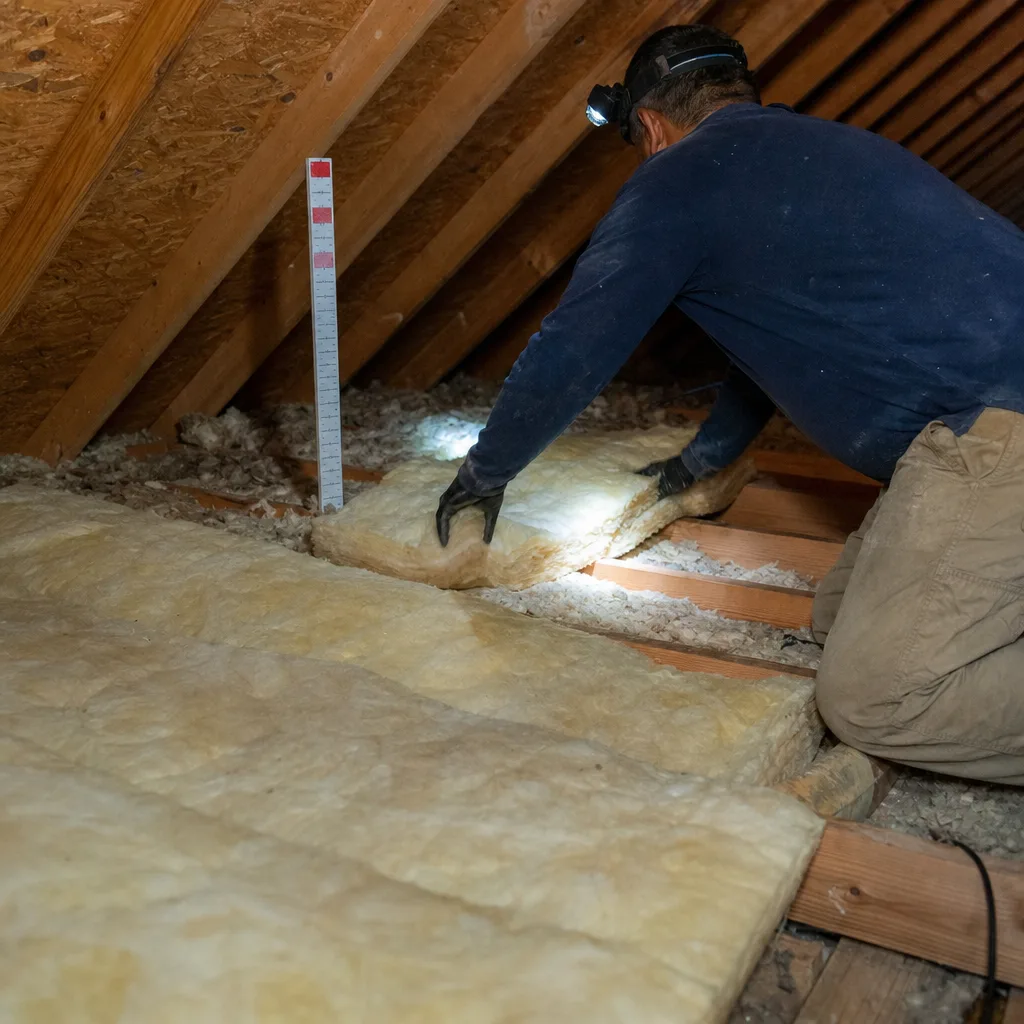
Insulation work in Texas rarely requires a permit for simple replacement, but the moment a contractor opens a wall cavity or applies spray foam to the roof deck, the trigger conditions change - and most homeowners find out only when they try to sell. We’ve pulled permit records for over 9,000 homes across Guadalupe County since 2016, and the pattern is consistent: the jobs that stall at closing are the ones where someone skipped the documentation step, not the ones that cost more upfront. This guide maps the actual permit triggers, inspection sequences, and code minimum thresholds that apply specifically to Seguin city limits and the surrounding county - not Texas in the abstract. You’ll learn which IRC sections to cite, what R-values the 2021 IECC demands in Climate Zone 2, and how to build a job file that protects your investment at refinancing or resale.
Quick Answer
Most insulation replacement in Seguin does not require a city permit if the work is limited to adding material to existing cavities without altering framing, electrical, or plumbing. Permit triggers kick in when walls are opened, spray foam is applied to roof decks, or the project is part of new construction or a major renovation requiring a certificate of occupancy. The 2021 IECC mandates minimum R-values of R-30 for attics, R-13 for wood-framed walls, and R-13 for floors in Climate Zone 2, with continuous air barriers now required - not suggested - at all thermal envelope boundaries.
Table of Contents
- When Seguin Requires a Permit - and When It Doesn’t
- The 2021 IECC in Climate Zone 2: R-Values and Air Barriers
- The Inspection Sequence: City, Utility, and Third-Party
- Failed Inspections, Corrections, and Your Certificate of Occupancy
- Building Your Permanent Job File: Inspector Sign-Offs and Why They Matter
- Seguin-Specific Considerations: Climate, Housing Stock, and Common Defects
- Common Mistakes to Avoid
- When to Call a Professional
- Frequently Asked Questions
- The Bottom Line
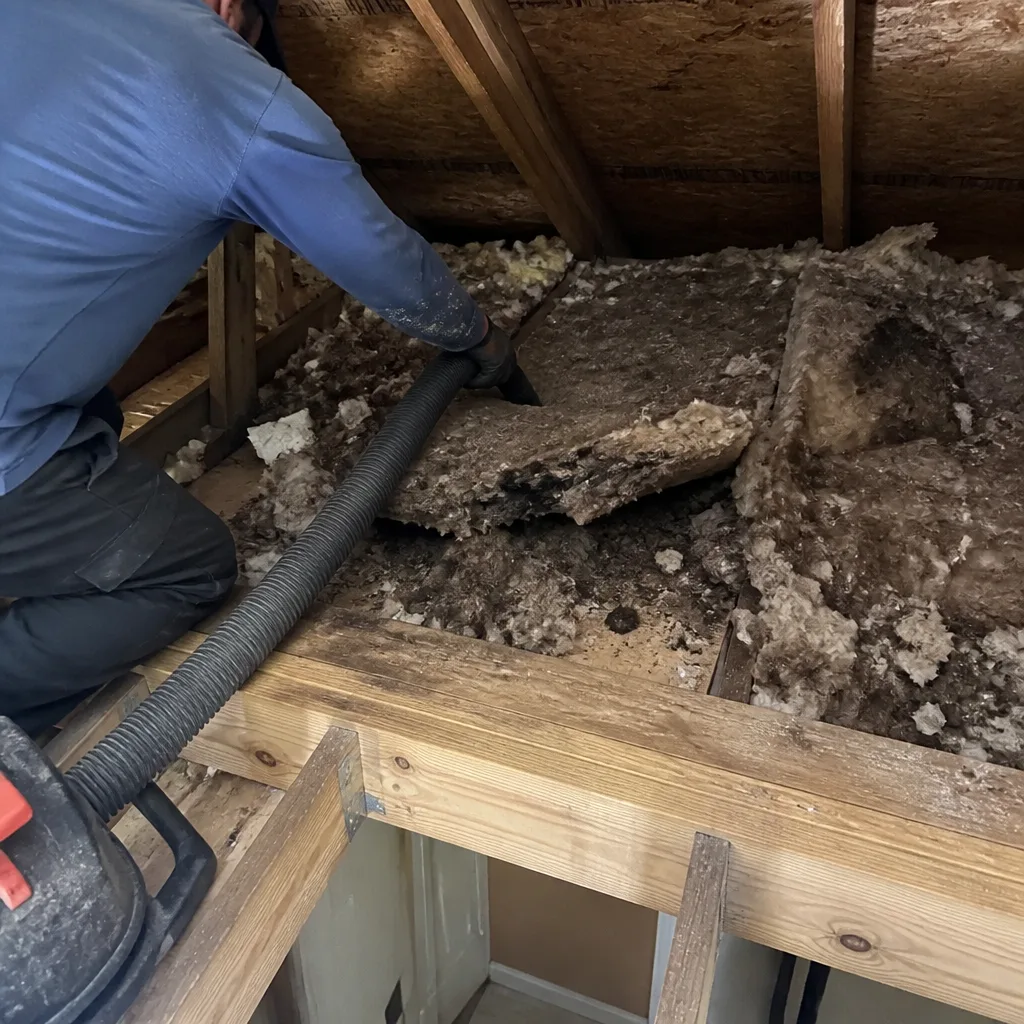 Before
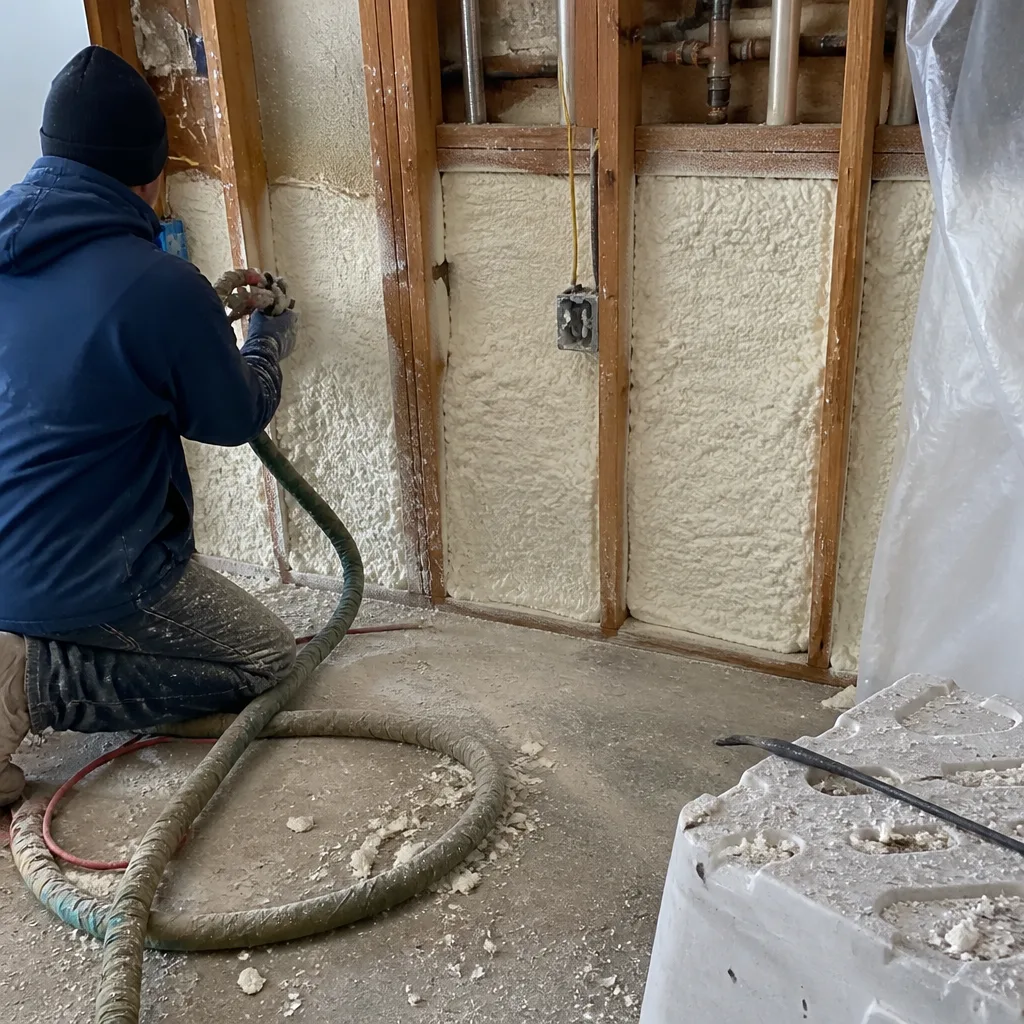 After
AfterWhen Seguin Requires a Permit - and When It Doesn’t
Seguin operates under the 2021 International Residential Code (IRC) with local amendments adopted through the Guadalupe County permitting framework. The city building department draws a sharp line between maintenance-level work and structural or envelope-altering work. Understanding that line saves you from a failed inspection at resale or, worse, a lender demanding permit remediation before closing.
Work That Typically Does NOT Require a Permit in Seguin
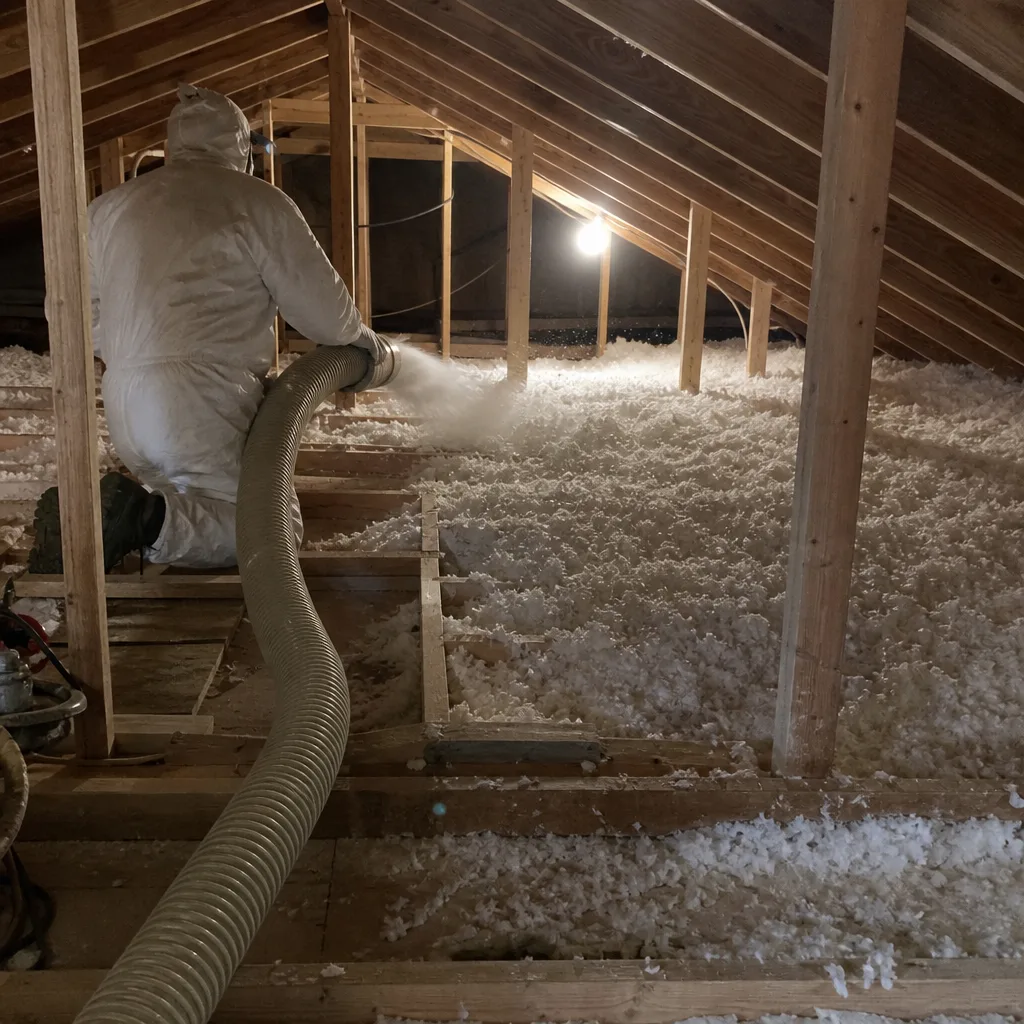
- Adding blown-in fiberglass or cellulose to an existing attic floor without disturbing the ceiling below
- Replacing batt insulation in accessible crawl spaces where no vapor barrier or encapsulation work is performed
- Installing radiant barrier foil across existing attic trusses (not attached to the roof deck)
- Removing and replacing insulation in a wall cavity accessed through an existing opening, provided framing members are not cut or notched
These exemptions align with IRC Section R105.2, which excludes “building finish work” from permit requirements. But the exemption collapses the moment you alter the thermal envelope’s continuity.
Work That DOES Trigger a Permit in Seguin
- Opening wall cavities - Any insulation job that requires cutting drywall or sheathing to access stud bays triggers a building permit under IRC R105.1. The city requires inspection of fire blocking and draft stopping before the cavity is closed.
- Spray foam to roof decks - Applying spray foam insulation in Seguin to the underside of roof decking converts an attic from vented to unvented, which requires engineered ventilation compliance per IRC R806.5 and a dedicated insulation inspection.
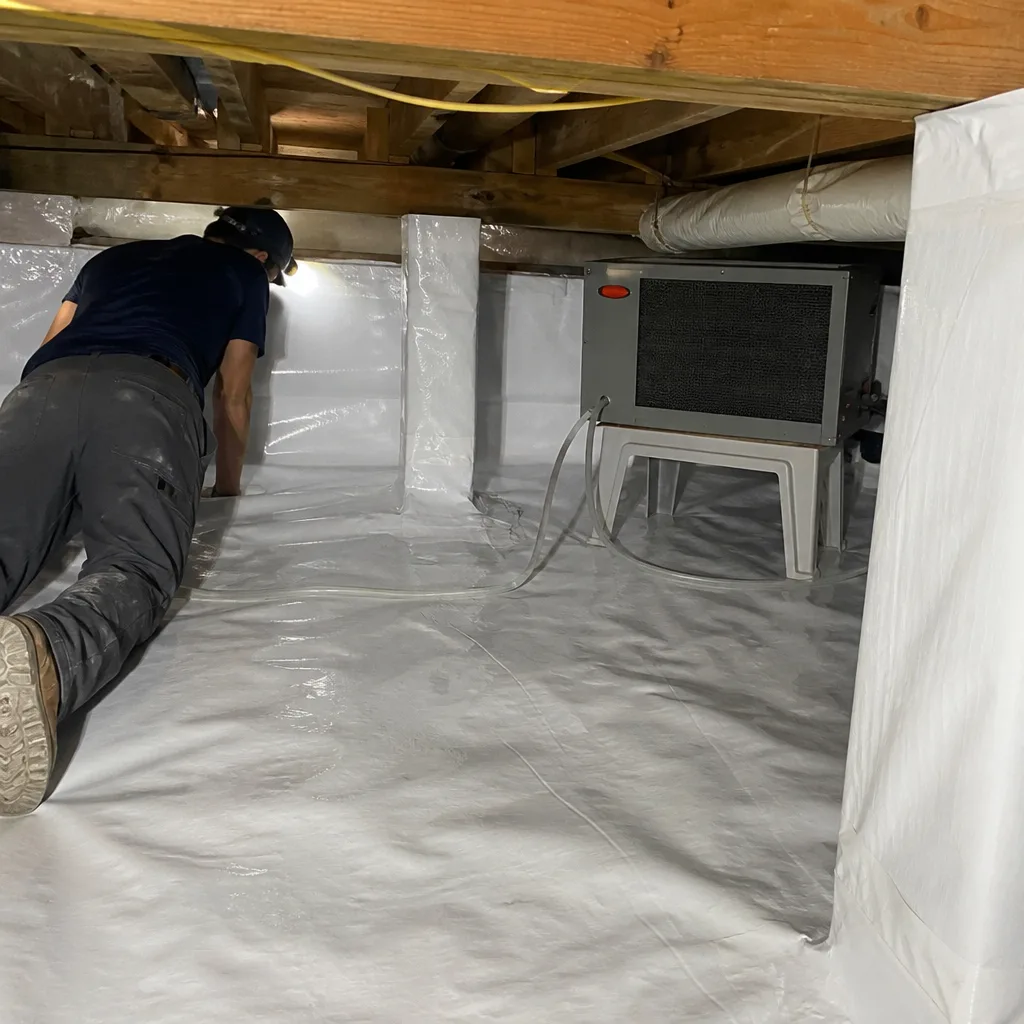
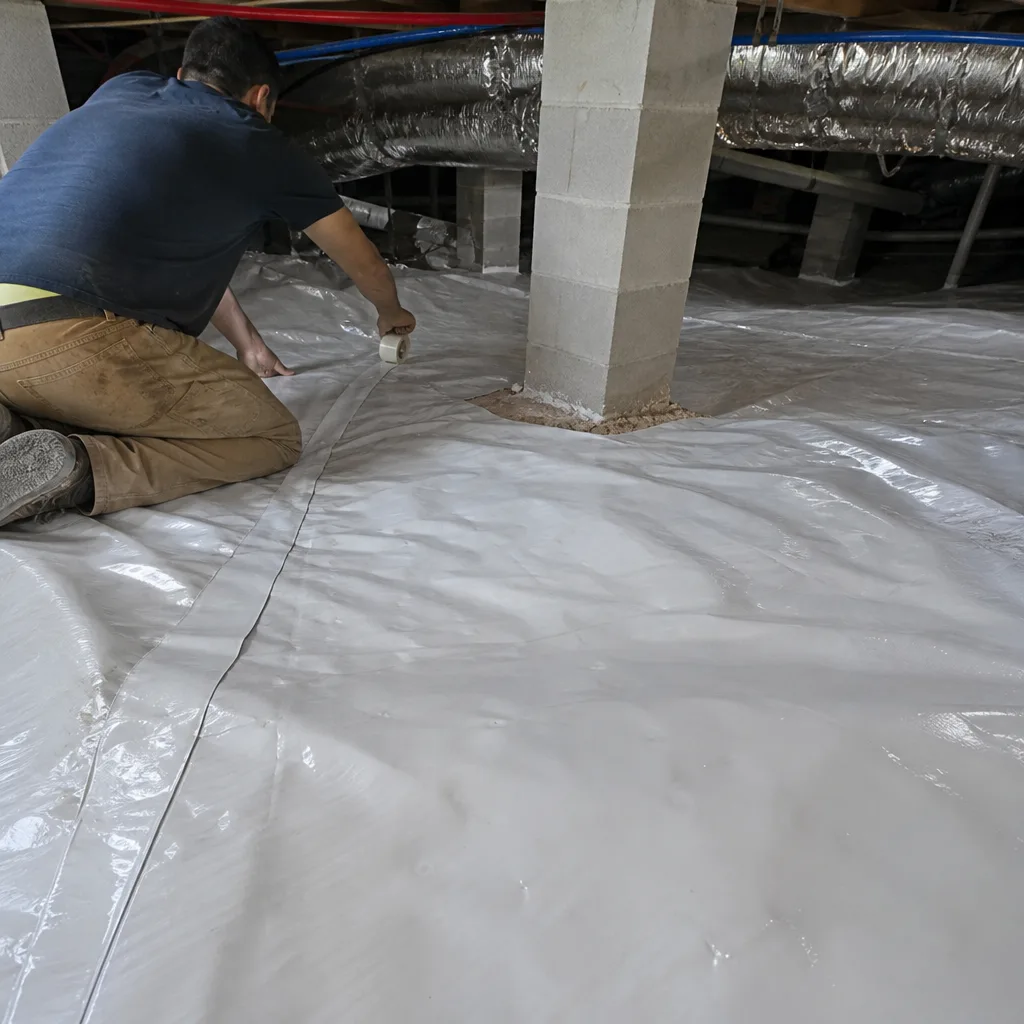
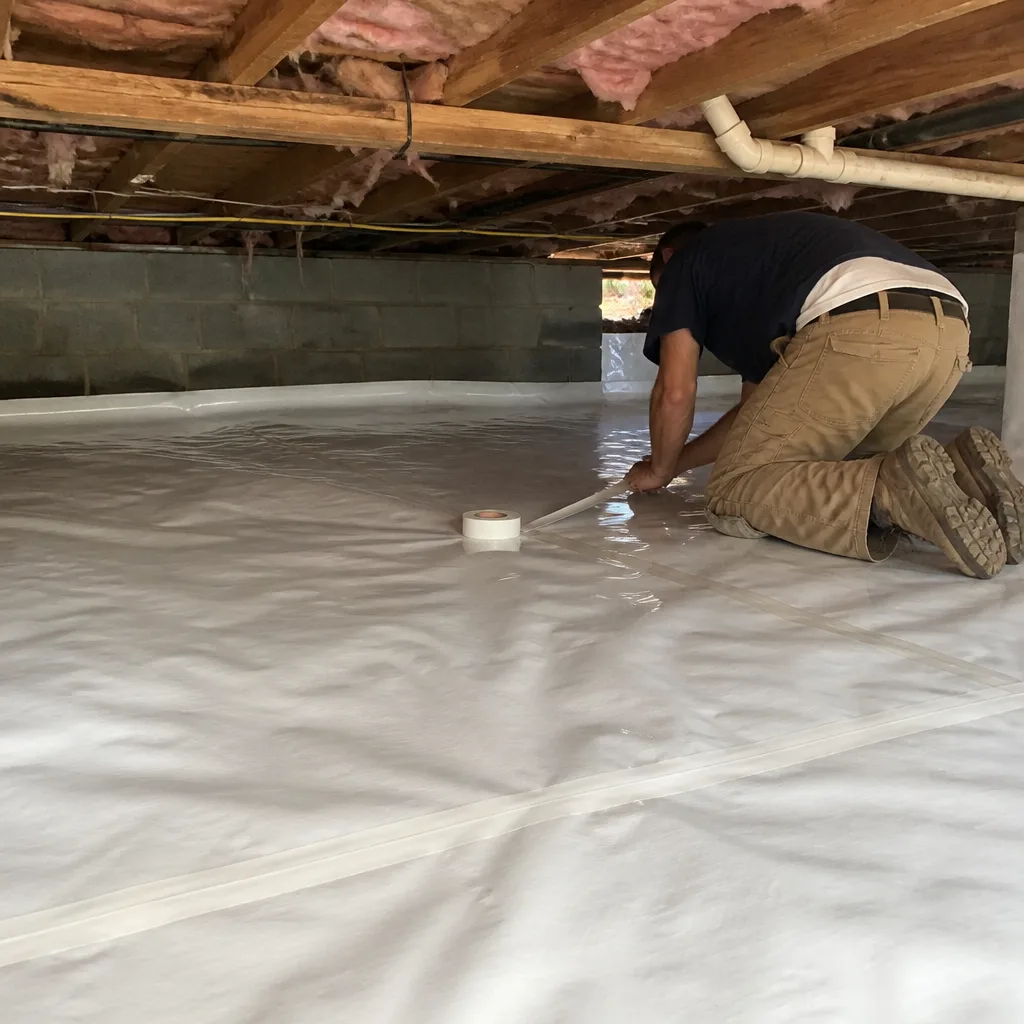
- Crawl space encapsulation with vapor barrier - When a crawl space encapsulation and vapor barrier in Seguin involves sealing foundation vents and conditioning the space, the city treats this as a change to the building’s moisture management system, requiring both mechanical and building permits.
- Insulation as part of larger renovation - Any project requiring a certificate of occupancy, including room additions or whole-house remodels, subjects insulation to the full inspection sequence regardless of scope.
We’ve reviewed job files from Seguin homes in the Weinert Hill, Mill Creek, and River Oaks areas where sellers faced $2,800-$4,500 in permit remediation costs because a previous contractor added spray foam to the roof deck without pulling the required mechanical permit. The foam itself was code-compliant. The missing documentation was the problem.
The 2021 IECC in Climate Zone 2: R-Values and Air Barriers
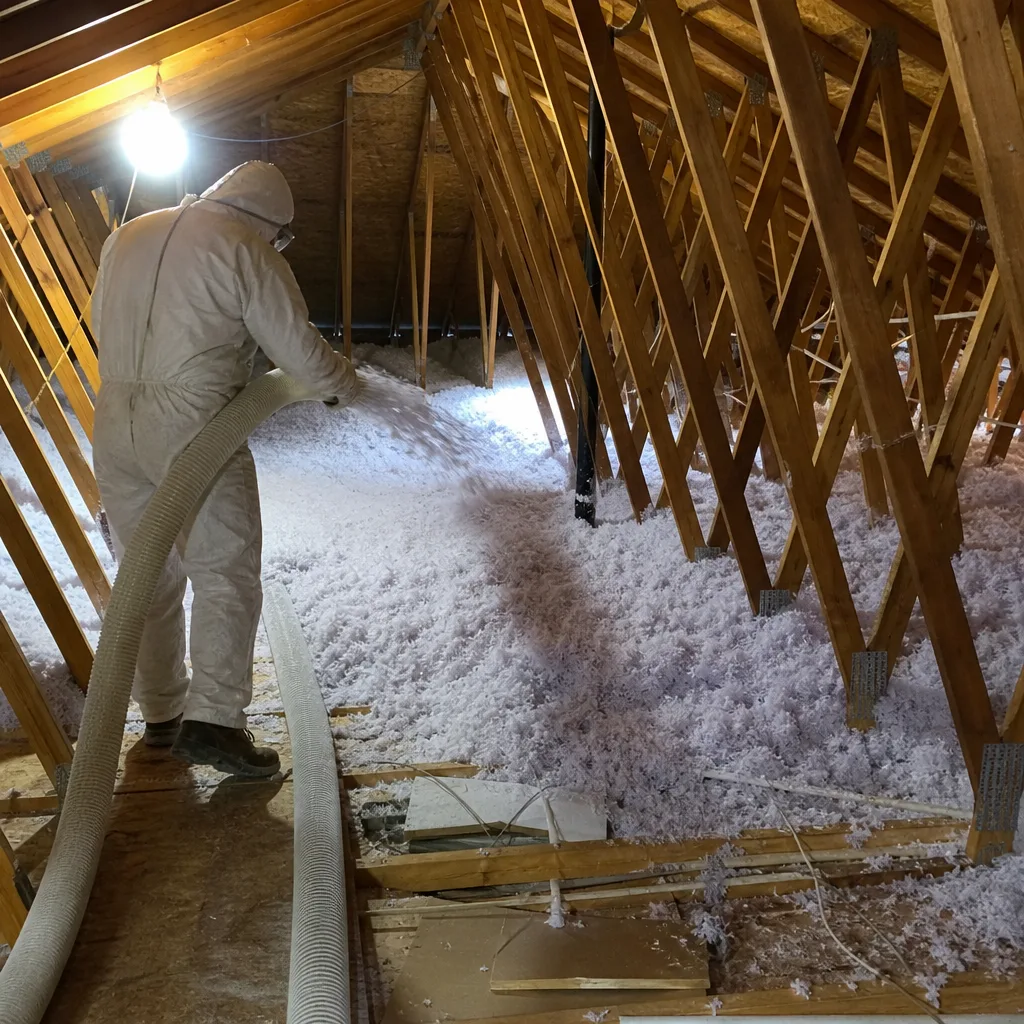
Texas adopted the 2021 International Energy Conservation Code (IECC) statewide, but enforcement sits with municipalities. Seguin enforces it through the Guadalupe County building department, and the specific thresholds for Climate Zone 2 - which covers all of South-Central Texas from Seguin to Corpus Christi - are non-negotiable at inspection.
Minimum Prescriptive R-Values for Seguin-Area Homes
| Assembly | 2021 IECC Minimum (Climate Zone 2) | Common Seguin Practice |
|---|---|---|
| Wood-framed wall (cavity insulation) | R-13 | R-15 batts or R-13 + continuous R-5 rigid |
| Mass wall (concrete block) | R-4/R-6 (interior/exterior insulation) | R-10 rigid exterior, rarely done in retrofits |
| Floor over unconditioned space | R-13 | R-19 in crawl space retrofits |
| Attic insulation (ceiling) | R-30 | R-38 to R-49 for blown-in retrofits |
| Roof insulation (cathedral ceiling) | R-30 | R-38 open-cell spray foam typical |
The prescriptive table is IECC Table R402.1.2. Most Seguin contractors, including our crews, exceed these minimums because the marginal material cost of R-38 versus R-30 in an attic is recovered in the first two cooling seasons. But the inspector only verifies minimum compliance. Exceeding the code does not excuse missing the air barrier requirements that arrived with the 2021 edition.
The Air Barrier Requirement: What’s New in 2021
Prior IECC editions treated air barriers as recommended practice. The 2021 code makes them mandatory at all thermal envelope boundaries, with specific testing or visual inspection protocols. For Seguin homeowners, this means:
- Attic floors - Top plates, electrical penetrations, and plumbing stacks must be sealed before insulation covers them. Inspectors now check this visually during the insulation inspection; we document it with photos as part of our standard Topside Attic Insulation Seguin home protocol.
- Walls - Sheathing joints must be taped or sealed, and cavity insulation must contact all six sides without gaps or compression. Compressed batts fail inspection.
- Crawl spaces - The rim joist and sill plate junction, a chronic leak point in Seguin’s 1970s-1990s housing stock, must be sealed as part of the air barrier system.
The blower-door test - a pressurization reading that shows, in one number, how much air your building envelope is losing - is the diagnostic tool that proves air barrier performance. Under Haven Standard Clause 1, we provide before-and-after blower-door numbers on every applicable job: the written scope specifies the target, and the documented record shows whether we hit it. Most Seguin homes we test before work read between 3,500 and 6,000 CFM50. After proper air sealing and insulation, we expect 2,000-3,500 CFM50 depending on foundation type and age.
The Inspection Sequence: City, Utility, and Third-Party
Homeowners routinely conflate three distinct inspection processes that run on separate tracks with separate documentation chains. Mixing them up delays rebates, voids warranties, or triggers re-inspection fees.
1. City Building Inspection (Seguin / Guadalupe County)
This is the legally required inspection tied to your permit. For insulation work, the typical sequence is:
- Rough inspection - Occurs after air sealing is complete but before insulation is installed. The inspector verifies fire blocking, draft stopping, and air barrier continuity at penetrations. For spray foam jobs, this is also when substrate moisture content is checked; foam applied to damp decking fails and must be removed.
- Insulation inspection - Occurs after material is in place but before wall or ceiling finish covers it. The inspector measures depth for blown-in (requiring depth markers every 300 square feet), checks batt fit and fastening, and verifies R-value labeling on exposed packaging. Spray foam jobs require a thermal barrier inspection if the foam is left exposed in an occupied space.
- Final inspection - For projects tied to a certificate of occupancy, this confirms all correction items from prior inspections are resolved.
Seguin’s building department typically schedules inspections within 48 hours of request, though peak season (March-May and September-November) can stretch to 72 hours. The inspector’s sign-off card or electronic approval is your legal documentation of compliance.
2. Utility Rebate Inspection (CPS Energy, Guadalupe Valley Electric Cooperative, or New Braunfels Utilities)
This is entirely separate from city inspection. Utilities offering insulation rebates - GVEC’s Home Performance Program, for instance - send their own auditor or approved contractor to verify pre- and post-work conditions. Their checklist includes:
- Pre-work photos of existing insulation depth and condition
- Post-work photos with depth markers visible
- Receipts or invoices specifying material type and installed R-value
- Air leakage reduction documentation (blower-door test preferred, visual inspection accepted for some programs)
The utility does not care about your city permit status. The city does not care about your rebate eligibility. We’ve processed jobs in Seguin’s Park West and Oak Village subdivisions where the homeowner secured both inspections, and jobs where only one was needed. The documentation requirements do not overlap.
3. Third-Party QA Inspection (Energy Star, LEED, or Passive House Certification)
For homeowners pursuing certification, a HERS rater or equivalent performs inspections that may exceed code minimums. These are voluntary, paid by the homeowner, and produce a separate report. We coordinate with raters on request, but this is distinct from our standard city-permit workflow.
Failed Inspections, Corrections, and Your Certificate of Occupancy
A failed insulation inspection in Seguin produces a correction notice with specific code sections cited and a re-inspection fee, currently $75-$125 depending on permit type. The more consequential risk is the hold on your certificate of occupancy, which blocks move-in for new construction or legal occupancy for major renovations.
Common Failure Reasons in Seguin Inspections
- Insufficient insulation depth - Blown-in settled below marked depth; batts compressed to less than labeled thickness
- Gaps and voids - Batts not contacting all six sides of cavity; blown-in missed eave corners or behind obstructions
- Missing air barrier at penetrations - Unsealed top plates, unboxed recessed can lights in contact with insulation, unsealed chimney chases
- Spray foam without thermal barrier - Ignition barrier omitted in attic spaces with storage or mechanical equipment
- Improper vapor retarder placement - Class I vapor retarder on wrong side of assembly for Climate Zone 2’s mixed-humid conditions
When a job fails, the correction process is specific. The inspector issues a written notice citing IRC or IECC sections. The contractor performs corrections. A re-inspection is scheduled. For Seguin projects under our 365-Day Done Right Promise, we cover correction costs attributable to our installation, including re-inspection fees. The promise is backed by a written scope and written warranty delivered before anyone starts - Haven Standard: Have it in writing.
The correction documentation you receive - the inspector’s signed approval after re-inspection - becomes part of your permanent job file. Lenders and title companies increasingly request this chain for properties sold within five years of permitted work. We’ve seen refinance applications in Seguin’s Meadow Creek and Willow Creek additions delayed because the homeowner could not produce the final inspection sign-off for a 2022 attic insulation job - a situation our Attic Insulation Maintenance Checklist for Seguin Homeowners helps prevent.
Building Your Permanent Job File: Inspector Sign-Offs and Why They Matter
Every insulation job that touches a permit should produce a job file that outlives the contractor’s warranty. In Seguin’s active resale market, where homes from the 2015-2025 construction boom are already turning over, this documentation is becoming standard in seller disclosure packages.
What Your Job File Should Contain
- Permit application and approval - The city-stamped copy showing scope, fee, and issue date
- Written scope of work - The document specifying materials, R-values, and air-sealing targets, delivered before work starts (Haven Standard Clause 1)
- Inspector sign-off cards or electronic approvals - For each inspection phase: rough, insulation, final
- Material specifications - Manufacturer data sheets for products used; we source from Owens Corning, Johns Manville, Knauf, Rockwool, CertainTeed, Icynene, Demilec, and GreenFiber, and include these sheets as standard
- Before-and-after documentation - Photos of cavity conditions, depth markers, and blower-door readings where applicable
- Warranty and promise documentation - Our 365-Day Done Right Promise in writing, with activation date and coverage terms
How to Request Inspector Sign-Offs
Seguin’s building department provides inspection results through three channels: the contractor’s online portal access, direct email to the permit holder (typically the homeowner for owner-permitted jobs), and physical cards left on-site. We recommend requesting email copies at permit application and confirming delivery within 24 hours of each inspection. The electronic record is harder to lose and accepted by all lenders we’ve encountered in Guadalupe County.
For jobs completed before you owned the home, submit a public records request to the Guadalupe County Building Department. Include the property address and approximate work date. Turnaround is typically 5-10 business days, and the fee is $15-$30 for document retrieval. We’ve assisted Seguin homeowners in recovering 2018-2020 records for refinancing; the permit existed, but the prior owner never transferred the documentation.
Seguin-Specific Considerations: Climate, Housing Stock, and Common Defects
Seguin’s position in the Texas Hill Country transition zone creates insulation challenges that differ from both coastal and fully inland markets. Understanding these local conditions - and following our Seasonal Insulation Care for Seguin: Year-Round Homeowner’s Guide - prevents code-compliant installations that still perform poorly.
Climate Reality: Hot-Humid Meets Flash Drought
Climate Zone 2 is designated hot-humid, but Seguin experiences sharper temperature swings than Houston or Corpus Christi due to elevation and continental influence. Summer attic temperatures regularly exceed 140°F. Winter dips to 25°F occur most years. This thermal cycling stresses attic air barriers; caulk and foam that perform in steady climates often crack or separate here. We specify movement-capable sealants at truss-to-top-plate junctions, a detail we’ve refined since 2016 across 9,000+ homes.
Housing Stock Patterns
Seguin’s construction waves create predictable defect clusters:
- Pre-1980 homes (Downtown, River Drive, Kingsbury areas) - Often uninsulated walls, minimal attic insulation (if any), and active air leakage at balloon framing and knob-and-tube penetrations. Permits are typically required for any wall work due to electrical upgrade triggers.
- 1980-2005 homes (Weinert Hill, Mill Creek, Oak Village) - R-19 batts in attics (below current code), unsealed can lights, and unconditioned crawl spaces with vented dirt floors. These are prime candidates for attic insulation in Seguin upgrades with full air sealing.
- 2005-2020 homes (Park West, Willow Creek, newer infill) - Generally code-compliant at construction but often compromised by subsequent HVAC or cable installations that breached air barriers without repair.
The Rodent Factor
Seguin’s oak-hickory woodland interface produces higher-than-average roof rat and squirrel intrusion in attics. Contaminated insulation removal triggers permit requirements when wall or ceiling access is required for cleaning. We include rodent proofing as a standard scope item in these jobs, with photo documentation of entry point sealing - a detail that prevents repeat infestation and satisfies inspectors who’ve seen too many reinsulations fail from the same cause.
Common Mistakes to Avoid
- Assuming replacement equals maintenance - Removing old insulation and installing new material in the same cavity is usually exempt, but if the removal exposes framing damage or requires drywall repair, the permit trigger activates. Seguin’s Weinert Hill neighborhood has several 1990s homes where “simple” attic jobs became permitted projects mid-stream.
- Conflating utility rebate inspection with city sign-off - GVEC’s approval for your $800 rebate does not satisfy Seguin’s building department. We’ve seen homeowners present rebate paperwork at closing and learn too late that the city permit was never closed.
- Ignoring the thermal barrier for spray foam - Open-cell or closed-cell foam on roof decks in occupied attics requires an ignition barrier (typically intumescent paint or 1/2″ gypsum). Skipping this fails inspection and creates a fire code violation.
- Compressing batts to fit - An R-19 batt compressed into a 2×4 cavity performs at approximately R-13. The inspector may not catch this visually, but your energy bills will. We measure cavity depth before specifying material.
- Sealing attic vents without mechanical ventilation - Converting a vented attic to unvented requires calculated supply and exhaust airflow per IRC R806.5. Sealing vents and adding spray foam without this calculation fails mechanical inspection.
- Discarding inspector documentation - The sign-off card in your drawer is not redundant once the job is done. Lenders in Seguin’s active market now routinely request five years of permit history for properties with recent energy improvements.
- Hiring based on price without permit clarity - A contractor who bids 30% below market may be planning to skip permits and leave you with the liability. Under Haven Standard, we provide a written price before any work starts - always - and specify permit responsibility in that scope.
When to Call a Professional
Call a licensed insulation contractor when your project involves wall cavity access, spray foam application, crawl space encapsulation, or any work tied to a certificate of occupancy. The permit and inspection sequence is not intuitive; a professional who has navigated Seguin’s building department can prevent the documentation gaps that surface at resale. Topside Attic Insulation Seguin offers free estimates in Seguin - call (830) 549-6646. We’ll review your specific situation, identify permit requirements, and provide a written scope and written price before any work starts. Our background-checked, uniformed technicians arrive on schedule, you get a named technician and a text when they are on the way, and every job closes with a Documented Photo Record included, not available on request.
Frequently Asked Questions
No, if the work is limited to adding blown-in or batt material to an existing attic floor without opening walls, altering framing, or applying spray foam to the roof deck. The moment you open a wall cavity or convert a vented attic to unvented, a permit is required. Call (830) 549-6646 for a free estimate and we’ll confirm your specific permit status - estimates are free.
The 2021 IECC requires R-30 minimum for attic ceilings in Climate Zone 2, which includes all of Guadalupe County. Most Seguin contractors install R-38 to R-49 for retrofits because the incremental material cost pays back quickly in local cooling loads. We specify exact targets in our written scope before work starts.
A city inspection verifies code compliance for your permit and is legally required for permitted work. A utility rebate inspection verifies program eligibility for your incentive and is entirely voluntary. They use different checklists, different inspectors, and produce different documentation. GVEC, CPS Energy, and New Braunfels Utilities do not share results with Seguin’s building department.
Request email copies at permit application, or contact the Guadalupe County Building Department with your permit number after final inspection. For historical records, submit a public records request with your property address and approximate work date. We include inspector sign-offs in our standard job file delivery on every permitted project.
Yes, if the failed inspection is tied to an open permit or incomplete certificate of occupancy. Even for completed work, missing final inspection documentation increasingly triggers lender requests for proof of code compliance. We recommend maintaining a complete job file for any permitted work performed within five years of a planned sale.
Yes. Spray foam requires additional inspections for substrate moisture content, foam thickness and density verification, and thermal barrier compliance. The ignition barrier requirement for occupied spaces is a common failure point. Our crews are trained in Demilec and Icynene application protocols that meet Seguin’s inspection standards, and we schedule the full inspection sequence as part of project management.
The Bottom Line
Texas permits for insulation work are locality-specific, and Seguin’s requirements under the 2021 IRC and 2021 IECC create clear trigger points that homeowners should understand before hiring. Simple attic additions usually need no permit. Wall access, spray foam, and encapsulation almost always do. The inspection sequence has three distinct tracks - city, utility, and third-party - with documentation that serves different legal and financial purposes. Build a permanent job file with permit applications, inspector sign-offs, material specifications, and warranty documents. This protects your investment at refinancing or resale, and it’s the standard we deliver on every Topside Attic Insulation Seguin home project. Under Haven Standard, you get a written price before any work starts, a documented record when the crew leaves, and before-and-after blower-door numbers on every applicable job so you can verify the performance change you paid for.
Written by Wes Okafor, Owner at Topside Attic Insulation Seguin, serving Seguin since 2016. Browse more guides & resources for Texas homeowners.