
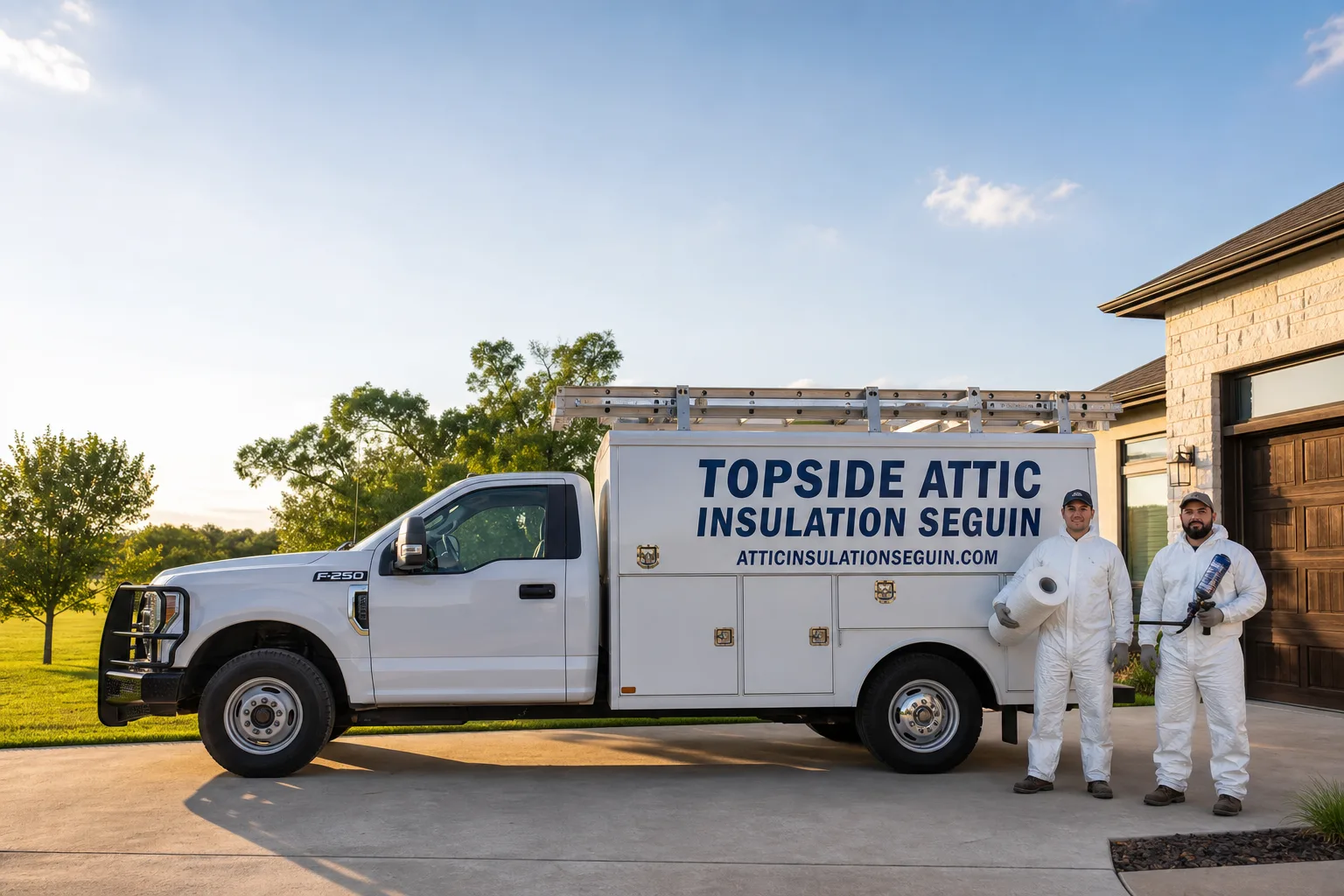
Fast, Reliable Blown-In Insulation Across Live Oak
Most blown-in insulation jobs in Live Oak run $1,800-$4,200 for a typical attic, and we complete the work in a single visit when the attic is accessible and air sealing is done first. Our crews are dispatched from the San Antonio office and cover Live Oak neighborhoods regularly, including the subdivisions along Randolph Boulevard and the residential corridors between FM 78 and Kitty Hawk Road. Call (830) 549-6646 for a written price before any work starts - that’s Haven Standard Clause 1.
We know these houses. Live Oak’s residential core was built out in the 1960s-1980s largely to house military families and civilian workers tied to adjacent Joint Base San Antonio-Randolph, meaning a disproportionate share of the city’s housing stock was spec’d to bare-minimum insulation standards for what developers expected to be short-term-occupancy tract homes. Decades of South-Central Texas attic heat have compressed and degraded that original insulation, making attic re-insulation here one of the highest-ROI upgrades in the market - and a problem concentrated in a very specific, identifiable era of construction rather than spread across mixed housing ages.
Why Topside Attic Insulation Seguin Is Live Oak’s Preferred Blown-In Insulation Company
We’ve sealed and insulated more than 9,000 homes since 2016, and a significant portion of that work has been in the Live Oak area - particularly the ranch-style slabs off Randolph Boulevard and the subdivisions between FM 78 and I-35. Our Live Oak customers leave reviews that mention the same thing: the crew showed the blower-door numbers, explained what they meant, and left a documented photo record. No callbacks. No “call the office and we’ll see.”
Response time to Live Oak is typically same-day or next-day for estimates, and our scheduling is coordinated from the San Antonio office with local crews already running routes through Bexar County. That matters when you’re trying to get attic work done before the June heat sets in.
Our technicians are background-checked and uniformed. Calls are answered by a live person, 24/7 - no voicemail loops, no callback windows measured in business days. Under Haven Standard: Arrive on schedule, you get a named technician and a text when they are on the way.
Our Blown-In Insulation Services in Live Oak
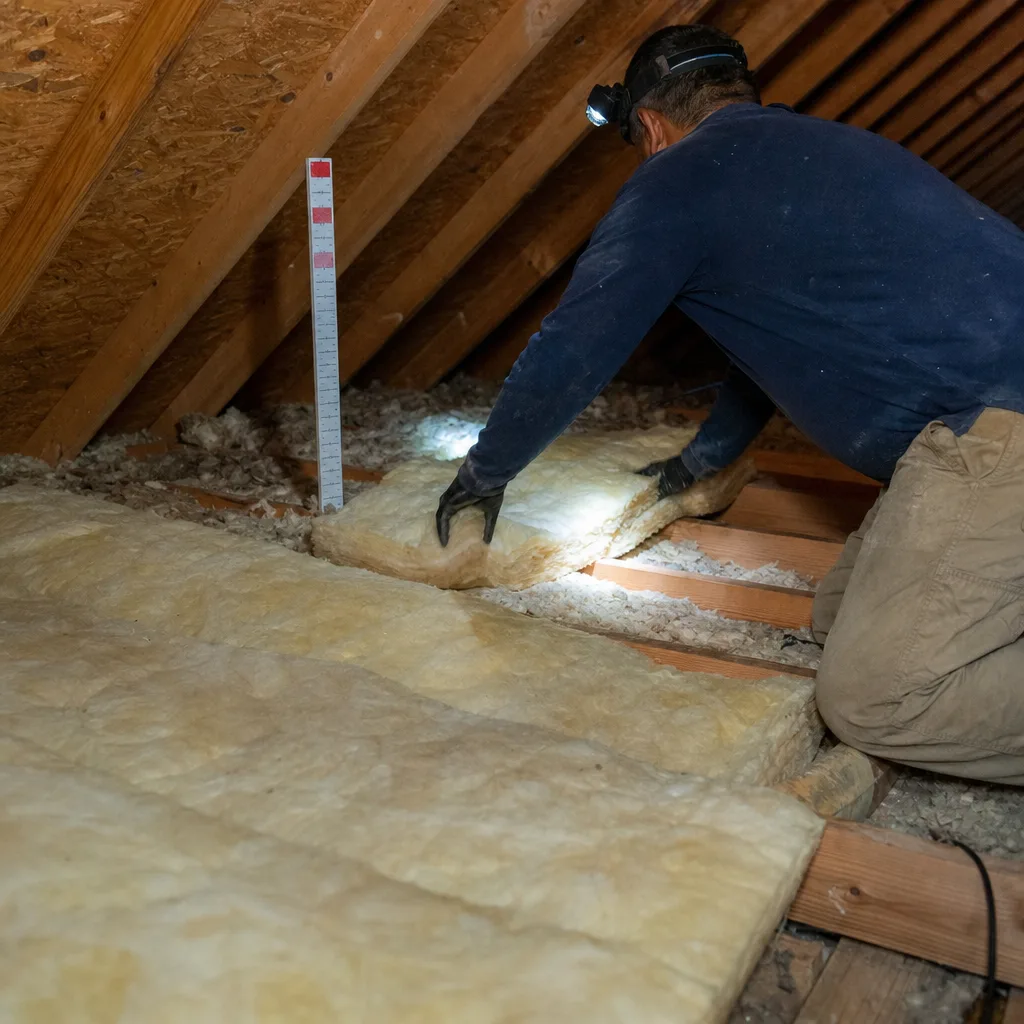
Blown-In Cellulose
We blow GreenFiber cellulose - a treated paper-based product that fills irregular joist bays and covers compressed legacy batts more completely than new batts laid on top. On a ranch-style slab home off the Randolph Boulevard corridor, we pulled the attic hatch and found the original fiberglass batts flattened into the joist bays under decades of HVAC tech foot traffic - several bays were sitting near effective R-7. We air-sealed the top plates and can lights first, then blew GreenFiber cellulose over the existing batts to bring the whole attic up to R-49 in a single trip, with no return visit needed. Cellulose performs well in Live Oak’s 150°F attic summers because it resists convection looping better than low-density fiberglass.
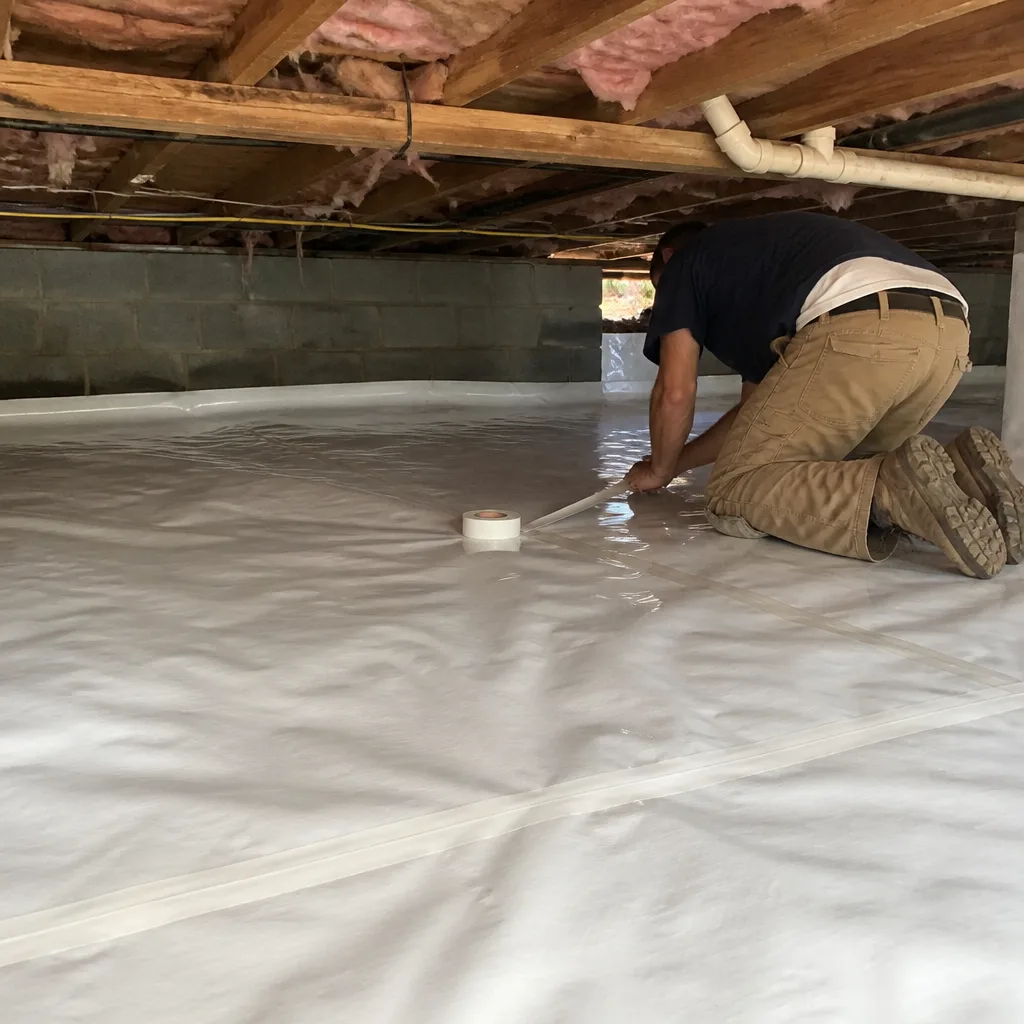
Blown-In Fiberglass
For homeowners who prefer synthetic material, we install Owens Corning blown-in fiberglass - a glass-wool product that doesn’t settle as aggressively as early-generation blown-in. In Live Oak’s 1960s-1980s housing stock, we often use fiberglass for top-ups over existing fiberglass batts that are still structurally intact but underweight. The key is the density: we calibrate the blower to achieve the manufacturer’s specified coverage per bag, not the fastest possible install. Every job gets a written price before work starts and a Documented Photo Record when the crew leaves.
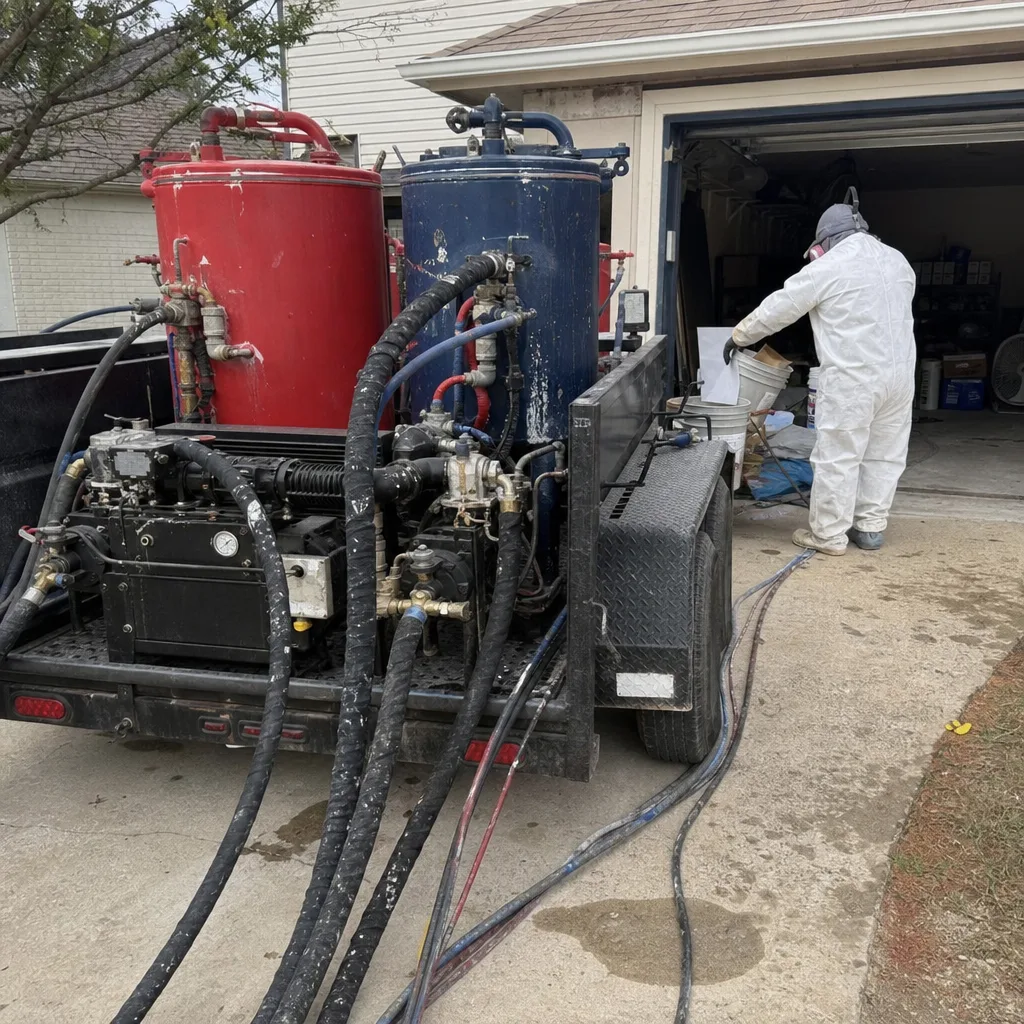
Dense-Pack Wall Insulation
Live Oak’s slab-on-grade ranch homes have little to no wall insulation in many cases - the original spec didn’t include it, and the hollow stud bays have been losing conditioned air to the exterior for decades. Dense-pack cellulose is blown into closed wall cavities at 3.5-4.0 pounds per cubic foot, dense enough to resist settling and slow air movement through the wall. This is a higher-effort install than attic work - it requires drilling access holes, either from exterior or interior, and patching afterward - but the payoff is substantial, especially after Winter Storm Uri exposed how little thermal protection these older slab homes have. We price dense-pack wall work separately from attic work, and we’ll tell you straight whether your wall construction makes it feasible.
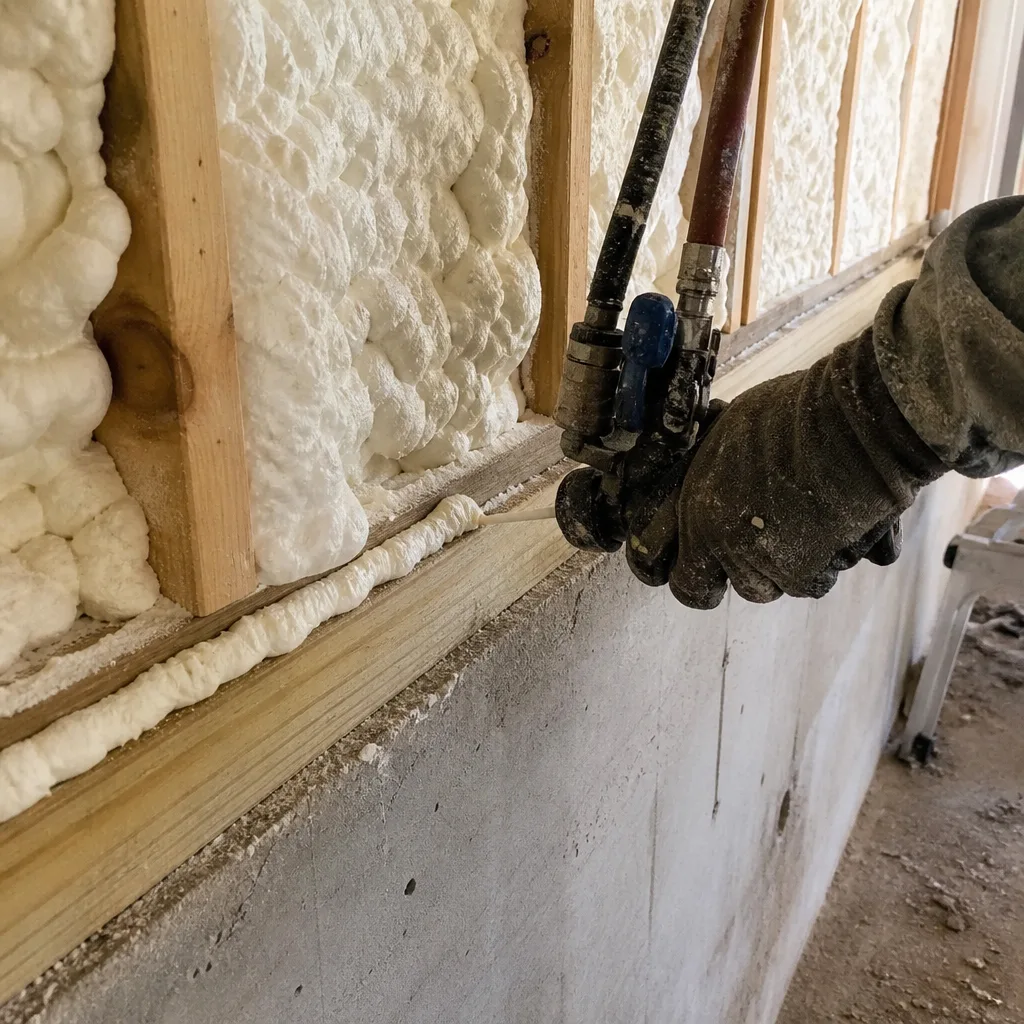
Blown-In Top-Up
The most common call we get in Live Oak: “Our attic has some insulation, but we don’t know if it’s enough.” We start with a visual assessment and, on request, a blower-door test - a pressurization reading that shows, in one number, how much air your building envelope is losing. If the existing insulation is structurally sound but underweight, we air-seal first (top plates, can lights, wiring penetrations, chimney chases), then blow new material to fill the gaps and bring the total depth to IECC Zone 2 target. We never blow insulation over an unsealed attic floor. That’s not an upsell; it’s the sequence the work requires.
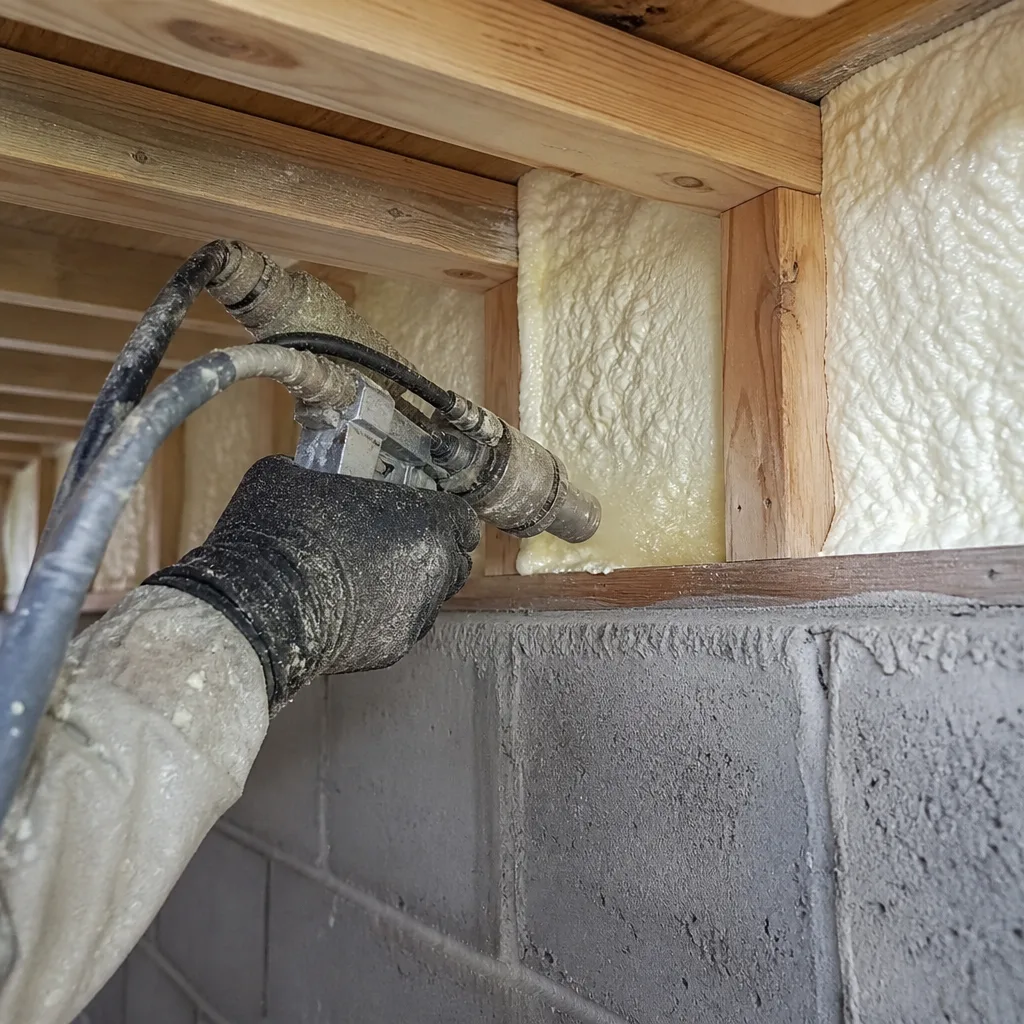
What happens when you call
- 1
A real person answersNo phone trees - you reach a local pro.
- 2
You get an upfront price rangeHonest numbers before anyone is dispatched.
- 3
A background-checked tech heads outLicensed & insured, dispatched right away.
- 4
You approve before work beginsNothing starts until you say go.
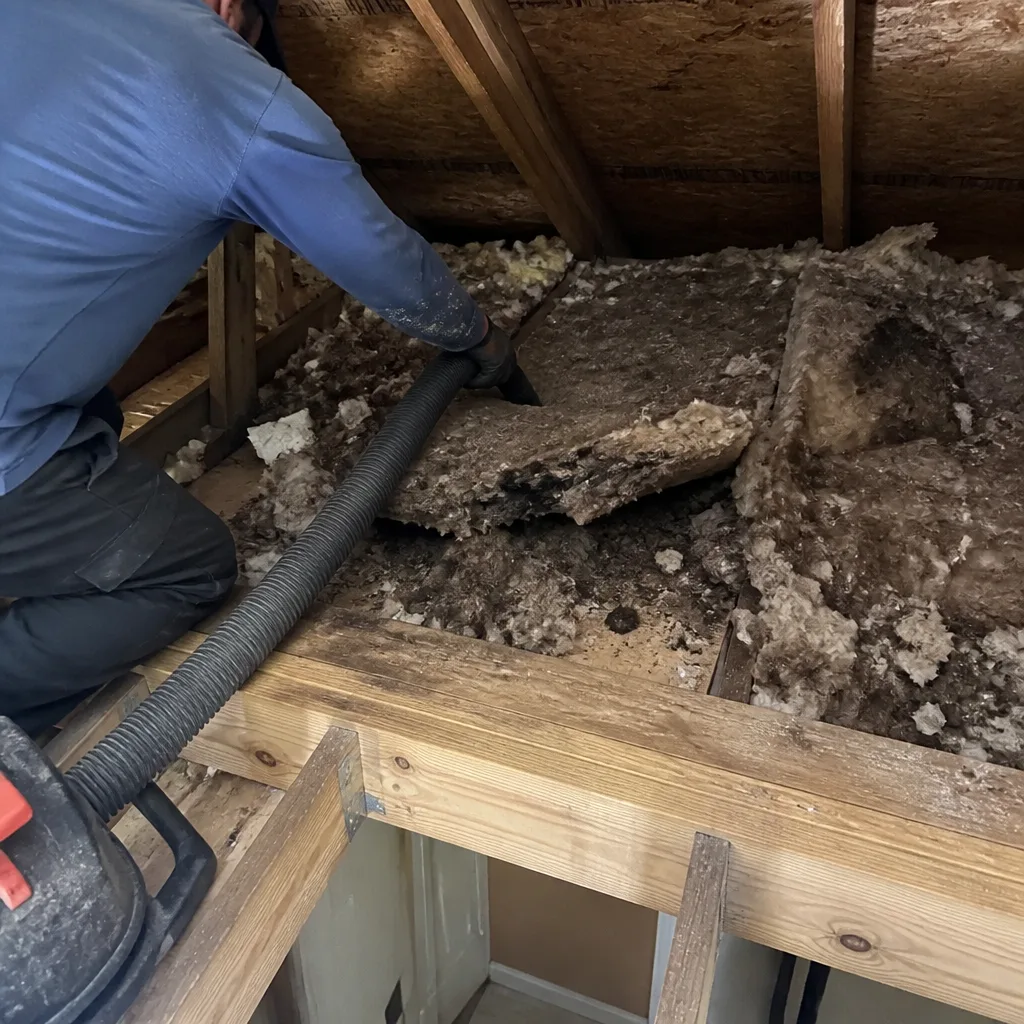 Before
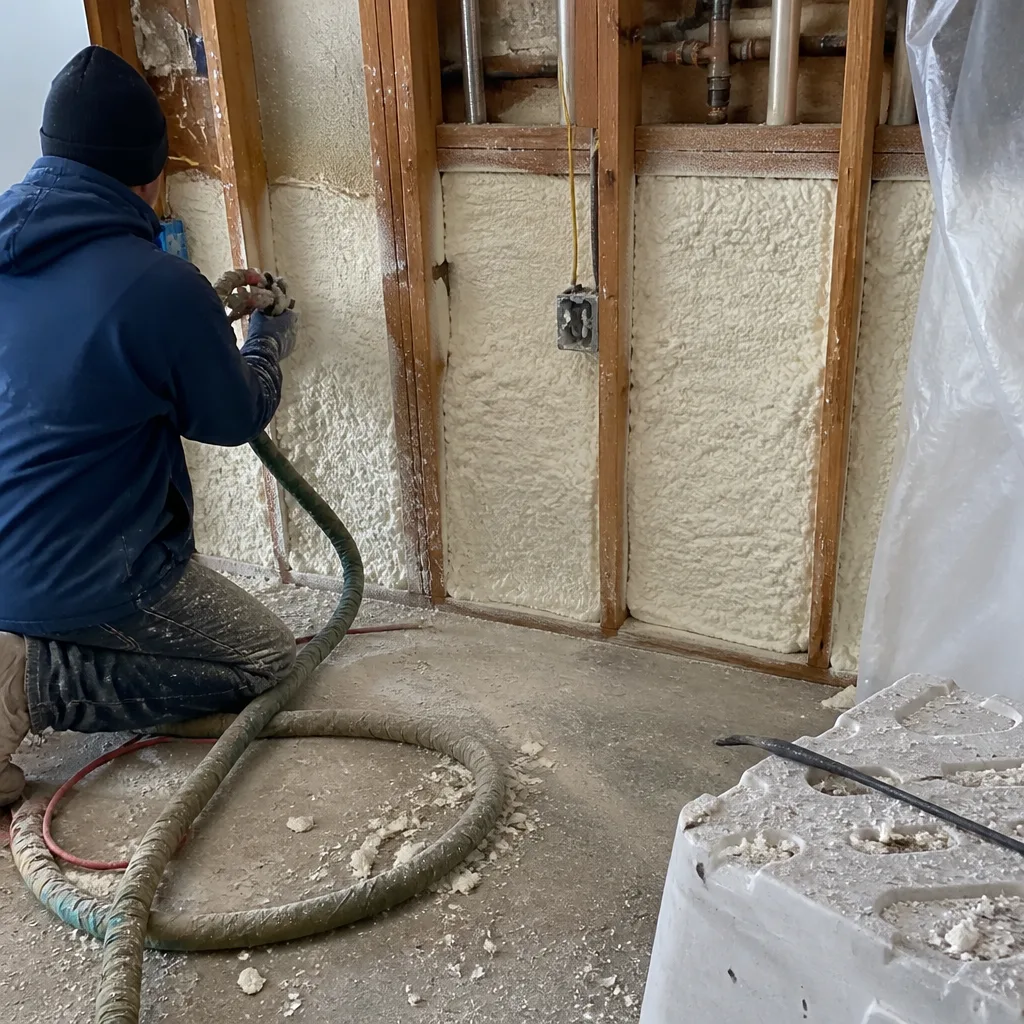 After
AfterTrusted Brands We Service in Live Oak
We source materials from Owens Corning, Johns Manville, Knauf, Icynene, Demilec, and GreenFiber - no proprietary product lock-in, which means we specify what performs for your specific assembly rather than what moves our inventory. For Live Oak’s climate, we typically recommend GreenFiber cellulose or Owens Corning fiberglass for attic work, depending on the condition of the existing material and whether we’re working over batts or starting fresh. We stock both products locally, so there’s no delay waiting on a special order. The brand matters less than the install detail: density, coverage, and whether the attic was sealed before the blower started.
Common Blown-In Insulation Problems We See in Live Oak Homes
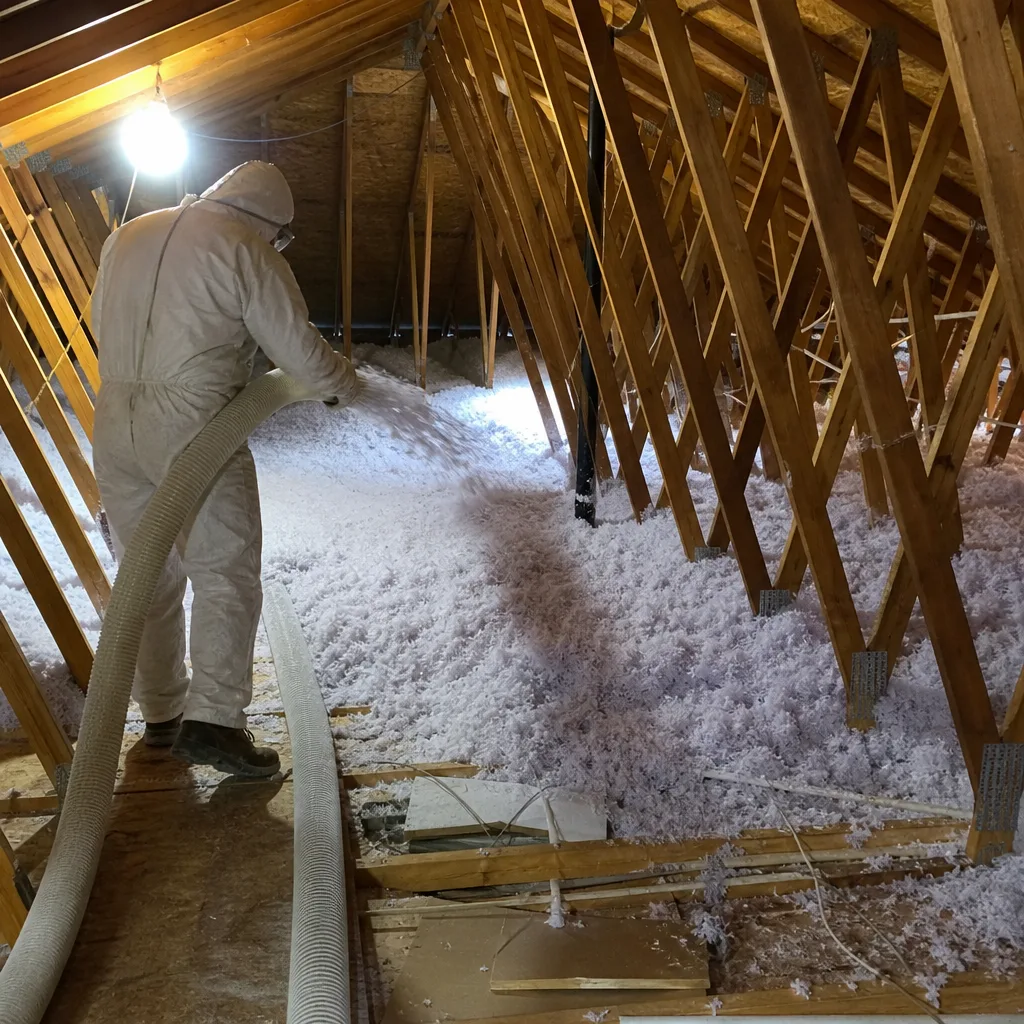
- Original fiberglass batts crushed to effective R-7. In the subdivisions closest to the Randolph Boulevard corridor, we routinely find attics where original fiberglass batts have been compressed under decades of foot traffic from HVAC technicians, sometimes leaving whole joist bays at effective R-7 or lower - a pattern so consistent across this one development era that experienced local crews can predict the condition before they pull the attic hatch.
- Early blown-in product settled below IECC Zone 2 minimums. Some Live Oak homes from the 1970s and early 1980s received early blown-in fiberglass or cellulose that has settled to half its original thickness or less, creating thermal bypasses where attic heat drives straight through to the ceiling below.
- Attic air leaks left unsealed before top-up work. When blown-in material is added over an unsealed attic floor, the insulation gets bypassed by air moving through top plates, can lights, and wiring penetrations - the R-value is installed but never performs as rated. We seal first, then insulate, in that order.
- Detached workshops and outbuildings with no insulation at all. On Live Oak acreage properties, we frequently find metal or wood-frame workshops that were never insulated, making them unusable for anything but storage for half the year. We treat these as full envelope jobs: seal, then insulate, with the same documentation as the main house.
Pricing for Blown-In Insulation in Live Oak, TX
| Service | Typical Range in Live Oak |
|---|---|
| Blown-in cellulose attic fill (to R-49) | $1,800 - $3,400 |
| Blown-in fiberglass attic fill (to R-49) | $2,000 - $3,800 |
| Blown-in top-up over existing insulation | $1,200 - $2,600 |
| Dense-pack wall insulation (per 1,000 sq ft of wall) | $2,400 - $4,200 |
| Attic air sealing + blower-door test | $800 - $1,600 |
What moves the price: attic square footage, current insulation condition (removal adds labor), accessibility (steep roof pitch, limited hatch size), and whether air sealing is needed before the blower runs. Every Live Oak job gets a written price before any work starts - Haven Standard Clause 1 - and we offer a Free Second Opinion on any written estimate from another contractor. Call (830) 549-6646 for an exact quote; estimates are free.
We Also Serve Cities Near Live Oak
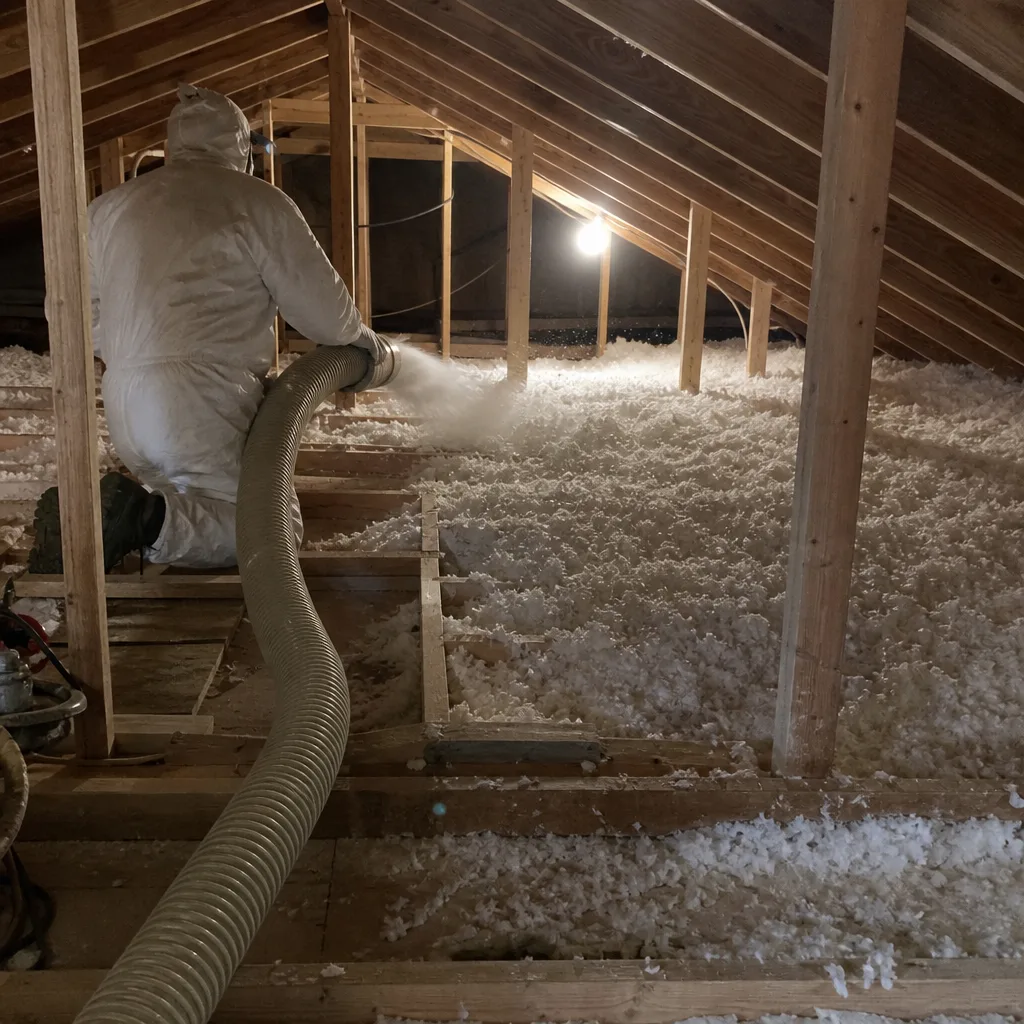
Our crews run regular routes through Blown-In Insulation jobs in Seguin, New Braunfels, Cibolo, and Schertz - the same dispatch from San Antonio, the same Haven Standard documentation on every job. If you’re in one of these surrounding communities and found this page because the housing stock or insulation problem sounds familiar, the same pricing structure and same process apply.
Serving Live Oak, TX - Our Local Coverage Area
We’re based in the Live Oak area and know this community well. Use the map below to see our service coverage - if you’re nearby, we can almost certainly help.
FAQs - Blown-In Insulation in Live Oak
Your home was likely built in the 1960s-1980s spec boom for JBSA-Randolph personnel, and the original fiberglass batts were never designed to withstand decades of HVAC technician foot traffic. We’ve found whole joist bays compressed to effective R-7 within a few feet of the attic hatch - the material is still there, it’s just doing almost nothing. Call (830) 549-6646 for an exact quote; estimates are free.
Yes, if the attic is accessible and we complete air sealing first. We routinely bring Live Oak attics from R-7-R-19 up to R-49 in a single trip: seal top plates, can lights, and penetrations, then blow cellulose or fiberglass to depth. The crew leaves a Documented Photo Record and, on applicable jobs, before-and-after blower-door numbers. Call (830) 549-6646 to schedule.
Cellulose resists convection looping better than low-density fiberglass batts, which means it maintains its effective R-value across a wider temperature differential. In Live Oak’s extended cooling season, that matters - attic temperatures exceed 150°F from June through September, and heat wants to move through any gap it can find. Dense, well-installed blown-in material with sealed air barriers outperforms compressed or poorly fitted batts in this climate.
If your walls are hollow and you’re already investing in envelope work, doing both in one mobilization saves on labor and disruption. We price them separately so you can decide, but the crew is already on site with the blower and the patching materials. Many Live Oak homeowners who experienced Winter Storm Uri’s cold-side drafts chose to do both - the attic stops the stack effect, and the walls stop the radiant and conductive losses. Call (830) 549-6646 and we’ll walk through the scope.
We treat it as a full envelope job: blower-door test if the structure is conditioned, air sealing of all penetrations, then blown-in cellulose or fiberglass to the appropriate R-value for the assembly. Acreage properties in Live Oak often have metal workshops or wood-frame outbuildings that were never insulated; we size the crew and equipment for the square footage, and we document the work with the same photo record as the main house. No return visit needed if the scope is clear before we arrive.
Ready to get a written price before any work starts? Call (830) 549-6646 for a free estimate on blown-in insulation in Live Oak. We’ll send a named technician, show you what we find, and leave you with documentation - photos, scope, and warranty - before anyone lifts a tool. That’s Haven Standard.
Written by Wes Okafor, Owner at Topside Attic Insulation Seguin, serving Live Oak and surrounding communities.