
Owens Corning Crawl Space Encapsulation: The Seguin Owner’s Guide
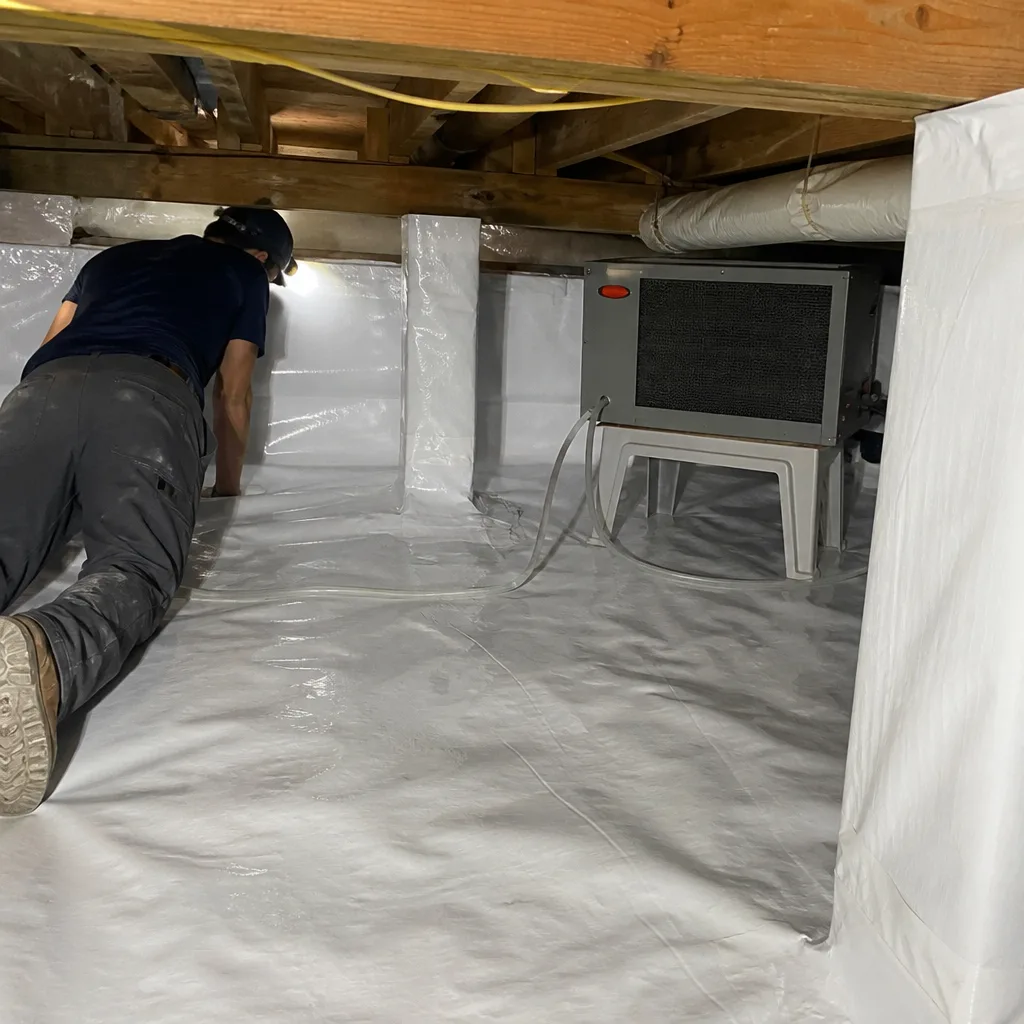
Most Owens Corning crawl space encapsulation systems we install in Seguin run between $3,800 and $7,200 depending on crawl square footage, existing moisture damage, and whether the foundation needs perimeter sealing first. We stock Owens Corning-compatible vapor barriers, seam tape, and foundation sealers on our trucks, and we can usually inspect and start work same-day if you call before noon. Homeowners in Seguin typically figure out something’s wrong when they notice musty air pulling up through floor registers, hardwood cupping near exterior walls, or a spike in summer humidity that the HVAC can’t pull down.
Which Owens Corning Models This Applies To
Owens Corning doesn’t sell crawl space encapsulation as a single branded “system” the way they sell roofing shingles or blown-in ProPink. What we mean by “Owens Corning crawl space encapsulation” is the complete moisture-control assembly built from Owens Corning building materials: the EnergyComplete spray foam line for rim joist sealing, Foamular rigid foam board for foundation walls, and the ProPink vapor barrier accessories that tie into their broader insulation catalog. The critical compatibility gotcha in Seguin’s Hill Country climate is matching the vapor barrier’s perm rating to what Owens Corning specifies for Texas humidity zones, 10-15 perms for foundation walls, not the 1-perm material some box stores push for basements up north.
To identify what you have, look for the Owens Corning pink panther logo on any existing rigid foam, and check for a printed spec sheet stapled to rim joists from the original install. If your crawl was encapsulated between 2010 and 2018, there’s a decent chance the installer used Foamular 150 or 250 board on the walls with a generic 6-mil poly vapor barrier on the ground, a combination that fails at the seams in Seguin’s clay-heavy soils because the poly tears where it rubs against shifting grade. We carry both OEM Owens Corning seam tape and a commercial-grade reinforced tape that outlasts the original in this soil type. Topside Attic Insulation Seguin is an independent service provider, not affiliated with Owens Corning, so we match the part to your house, not to a brand loyalty program.
Signs Your Owens Corning Crawl Space Encapsulation Is Failing
- Floor insulation is sagging or dropping. In Seguin’s humidity, the fiberglass batts Owens Corning often installed between joists before encapsulation absorb airborne moisture once the vapor barrier tears. The batts get heavy, the fasteners corrode, and you end up with pink insulation lying on the crawl floor doing nothing for your R-value.
- Musty smell that intensifies after rain. Guadalupe County’s spring storms dump water fast on clay soils that drain poorly. If your foundation sealer has pulled away from the wall or the sump discharge line is clogged with Hill Country limestone sediment, that water sits against the foundation and migrates through any gap in the barrier.
- Hardwood floors cupping or laminate bubbling near exterior walls. This is moisture vapor moving upward through the subfloor because the crawl’s relative humidity is running above 65 percent. We see this most in 1970s and 1980s Seguin ranch homes near Guadalupe Regional Medical Center where the original crawl vents were never sealed during a partial encapsulation.
- Condensation on ductwork or HVAC equipment. When the vapor barrier fails, the crawl space becomes the coldest surface in summer. Supply ducts sweat, the air handler’s cabinet rusts, and you get secondary mold on the coil housing. We’ve pulled apart units in Seguin where the drain pan had rusted through because the crawl stayed wet for three seasons straight.
- Increased cooling bills with no equipment change. A failed encapsulation forces your HVAC to dehumidify the crawl space volume in addition to the living space. The blower-door test, a pressurization reading that shows in one number how much air your building envelope is losing, often reveals that the crawl is now communicating freely with outside air through torn barriers and unsealed vents.
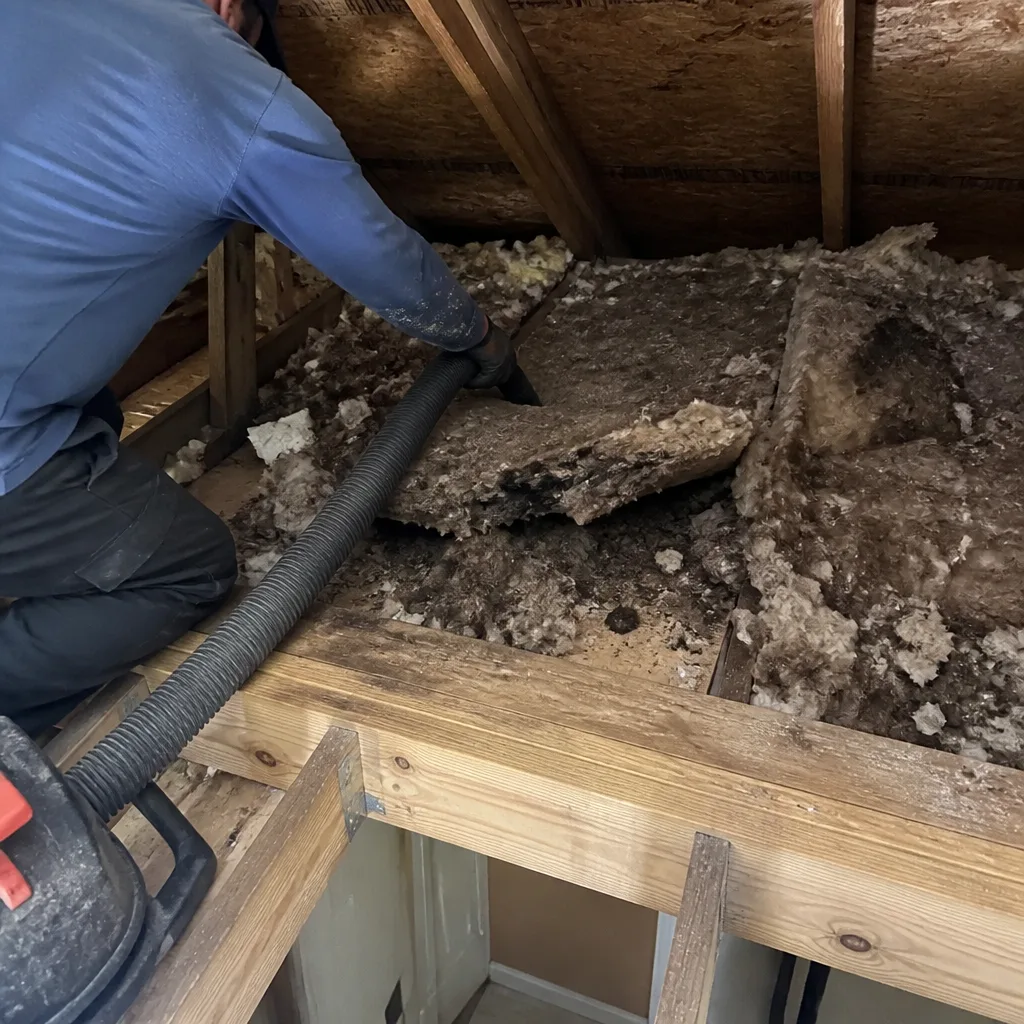 Before
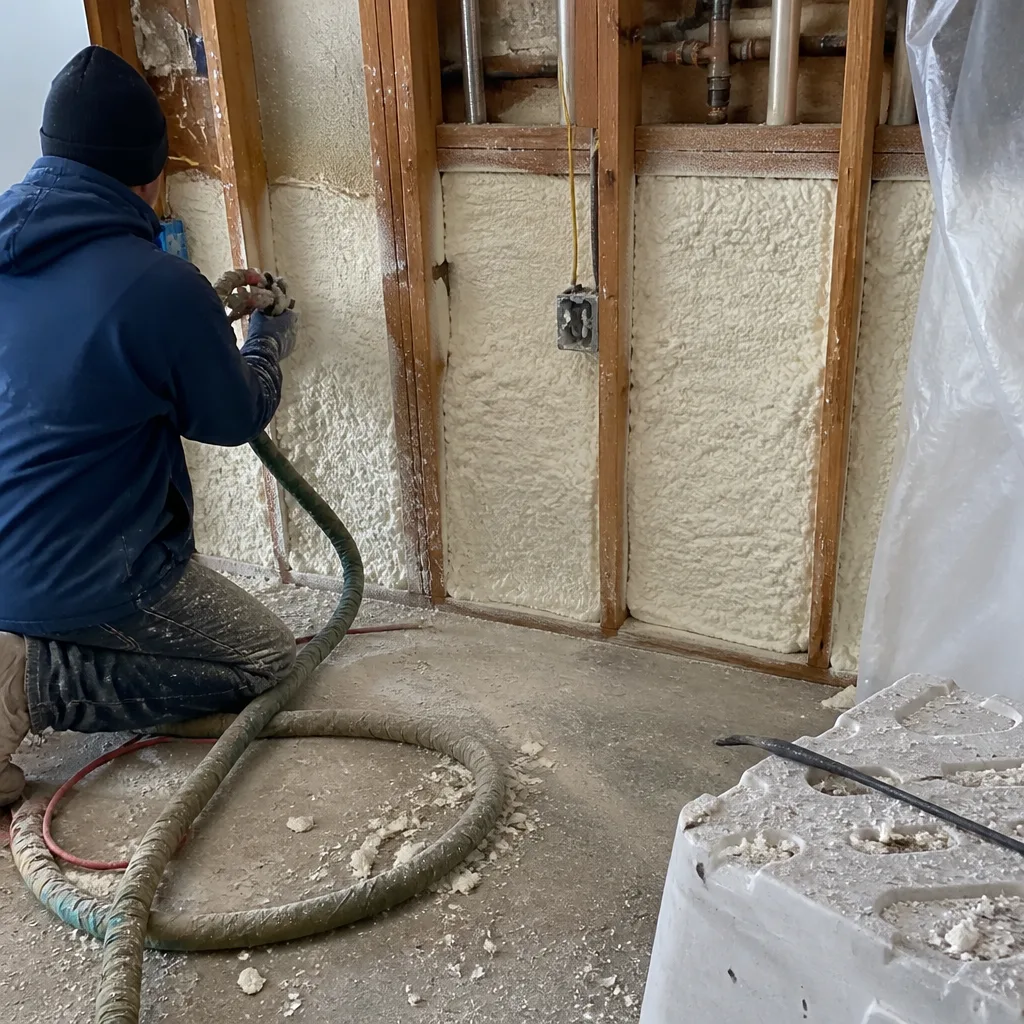 After
AfterReplacement Cost & What’s Included
For a typical 1,200 to 2,000 square foot crawl in Seguin, here’s how the installed price breaks down:
| Component | Price Range |
|---|---|
| Ground vapor barrier (12-20 mil reinforced, taped seams) | $1,400 - $2,600 |
| Foundation wall insulation (Foamular or equivalent rigid board) | $1,200 - $2,400 |
| Rim joist air sealing (closed-cell spray foam or rigid + caulk) | $800 - $1,600 |
| Crawl vent sealing + mechanical dehumidifier prep | $400 - $900 |
| Total installed system | $3,800 - $7,200 |
What drives the range: crawl height (less than 18 inches means we work on our backs), existing mold or rot remediation, whether the original barrier was glued to the walls (removal labor jumps), and if you want a permanent dehumidifier tied to the HVAC drain. Every job gets a written price before any work starts, Haven Standard Clause 1, and we include a Documented Photo Record of the completed barrier and seam taping. The 365-Day Done Right Promise covers any seam lift or tape failure. We also stock Reflectix radiant barrier products if your crawl has ductwork that needs additional summer heat shielding.
DIY or Call Us?
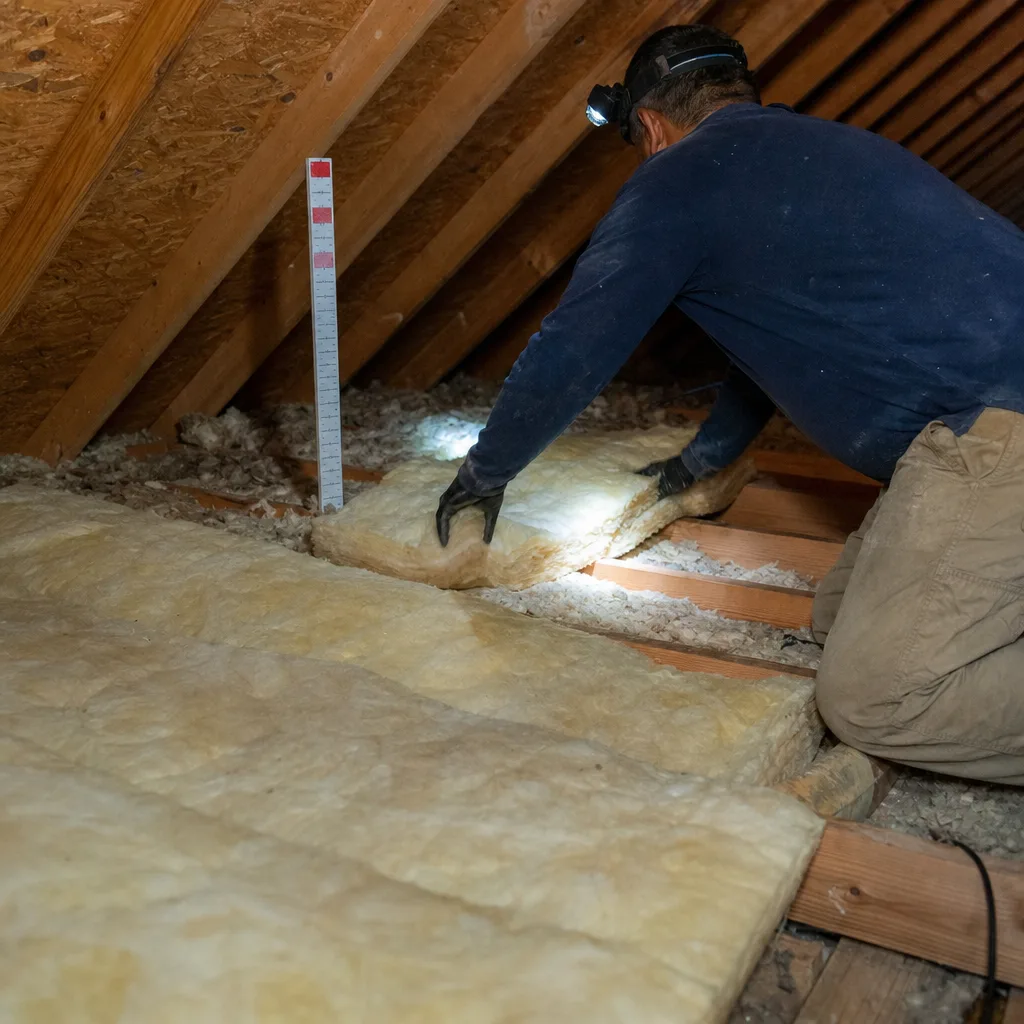
There’s a short list of what a Seguin homeowner can safely check: verify your crawl vents are closed, confirm the sump pump runs when you lift the float, and look for obvious tears in the ground vapor barrier. What you should not do is enter the crawl with a utility knife and start stripping old barrier yourself. The 12-20 mil reinforced material we install is heavy, the fasteners can snap back, and disturbed fiberglass from old floor insulation is a lung hazard without proper respirators. More critically, if your rim joists show rot or pest damage, disturbing the area without knowing the structural condition risks making it worse. We’ve been called to jobs in Seguin where a well-meaning owner pulled back the barrier, found mold, and then had to wait two weeks for remediation because the spore count made the crawl uninhabitable even for us. If you’re unsure what’s under there, call (830) 549-6646. We’ll inspect it, photograph it, and give you a written price to fix it. The report goes home with you, the numbers do the talking.
FAQs
Properly installed, a reinforced vapor barrier with taped seams should last 15 to 20 years in Seguin’s climate. The failure point we see most often is not the Owens Corning materials themselves but the original installer’s seam work, tape lifts in year 3 to 5 when summer humidity peaks above 80 percent. Call (830) 549-6646 for an inspection if you’re approaching that window, estimates are free.
Isolated tears under 2 square feet can be patched with reinforced tape and seam primer. If the barrier is the thin 6-mil poly common in older Seguin homes, or if you have multiple tears and seam lift, replacement is more cost-effective than chasing leaks. We evaluate this on every inspection and tell you which route saves money.
Most Seguin crawls we complete in one to two working days. Day one is removal, cleaning, and any mold pretreatment; day two is barrier installation, wall insulation, and final seam taping. We run the blower-door test before and after so you see the air-sealing improvement in ACH50.
We carry Owens Corning-compatible vapor barriers, Foamular rigid board, seam tape, and foundation sealers on every vehicle. For specialized thicknesses or EnergyComplete spray foam kits, we pull from the San Antonio supply house with next-day availability. Same-day starts are normal for standard repairs.
Written by Wes Okafor, Owner & Lead Insulation Technician, Topside Attic Insulation Seguin at Topside Attic Insulation Seguin, serving Seguin and nearby areas.