
Icynene Crawl Space Encapsulation: The Seguin Owner’s Guide
Most Icynene crawl space encapsulation jobs we handle in Seguin run between $3,800 and $7,200 installed, depending on whether we’re sealing a 1,200-square-foot perimeter or a full 2,500-plus footprint with conditioned-air integration. We stock Icynene-compatible vapor barrier membrane, closed-cell spray foam for rim joist sealing, and dehumidifier tie-ins on every truck, and about sixty percent of calls get same-day service if the crawl’s accessible. Homeowners usually figure out something’s wrong when their hardwood floors cup in summer despite the AC running flat out, or when they pull back insulation in a corner and find the polyethylene barrier has gone chalky and started pulling free from the sill plate.
Which Icynene Models This Applies To
Icynene doesn’t sell a branded “crawl space encapsulation kit” the way some manufacturers do. What we’re matching is the Icynene spray foam system that was originally used to seal your rim joists and band boards, paired with the vapor barrier and conditioning strategy your installer spec’d at the time. The critical identifier is the Icynene product line stamped on any exposed foam: LD-C-50 (the open-cell half-pound density common in early Seguin installs around 2014-2018) or MD-R-200 (the closed-cell two-pound density we see more often in post-2019 jobs, especially in the Hill Country fringe where builders started taking the IRC’s crawl space moisture requirements seriously).
Here’s where owners get tripped up. LD-C-50 is vapor-permeable. If your original installer used it on rim joists but skipped a Class I vapor barrier on the ground, that crawl space was never fully encapsulated, just air-sealed. MD-R-200 is its own vapor retarder at two inches, but it still needs a ground barrier to stop soil gas and capillary rise. We also see a lot of hybrid systems in Seguin’s 2015-2020 build wave: Reflectix bubble insulation on the walls with Icynene at the rim, which fails when the Reflectix tape gives up and the Icynene gets blamed for the moisture spike. We stock parts for both approaches, and we’ll tell you which one you actually have before we quote.
OEM Icynene foam is what we prefer for repairs tying into existing work; the chemical compatibility with aged foam matters for adhesion and long-term shear strength. For ground barriers, we typically use a 12-mil reinforced polyethylene that outperforms the 6-mil stock Icynene distributors carried in earlier years. We’re an independent service provider, not affiliated with Icynene, so we spec what performs, not what moves through a particular channel.
Signs Your Icynene Crawl Space Encapsulation Is Failing
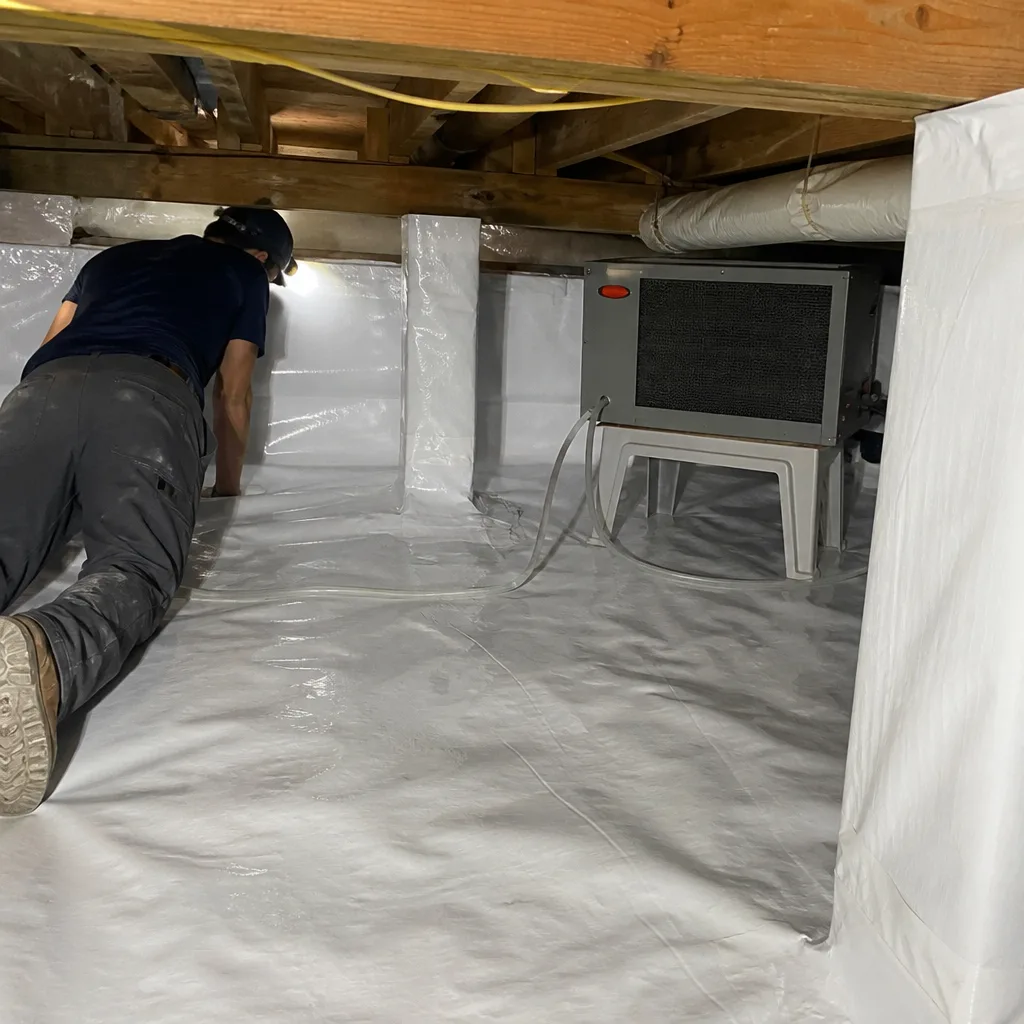
- Musty odor that returns within 48 hours of running a portable dehumidifier. This usually means your ground vapor barrier has breached at seams or perimeter termination, letting soil moisture load overwhelm the air volume. The Icynene rim seal itself may be intact, but if it’s doing all the moisture work alone, it’s overmatched.
- Wood floor cupping or laminate bubbling, especially in spring and fall. Seguin’s clay-heavy soils hold moisture through April and again in October when the first cool fronts drop soil temperature faster than air temperature. A properly encapsulated crawl should hold 50-55% relative humidity year-round; if you’re seeing 65% plus on a cheap humidity meter, the barrier’s compromised.
- White chalky residue on the Icynene surface. This is UV degradation from a failed access door or missing vent seal, not a foam chemistry failure. Open-cell Icynene yellows and powders when exposed to light; closed-cell holds longer but will still degrade. The fix is rarely re-foaming, it’s sealing the light path and patching the damaged surface.
- Insect trails or rodent nesting in previously clean insulation. Icynene isn’t a food source, but a torn vapor barrier creates a habitat. We find this most often in Seguin’s older homes near the Guadalupe River corridor where the water table sits high and crawl space access is through original wooden hatches that warped years ago.
- Your energy bills climbed 15-20% with no equipment change. This points to rim joist seal failure, usually at the sill plate interface where Icynene meets concrete or treated lumber. Thermal bridging at this joint is invisible from inside but shows up immediately on an infrared scan, and it dumps conditioned air into the crawl faster than most owners realize.
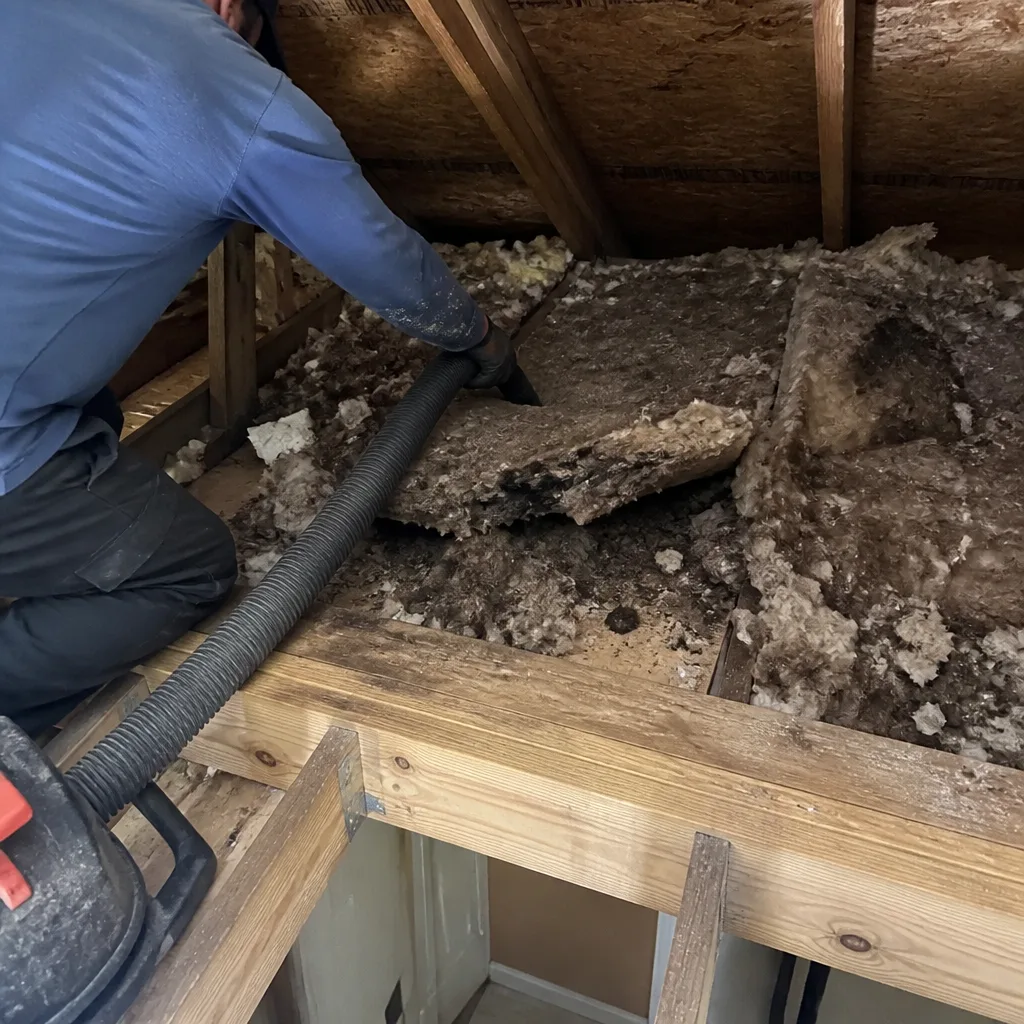 Before
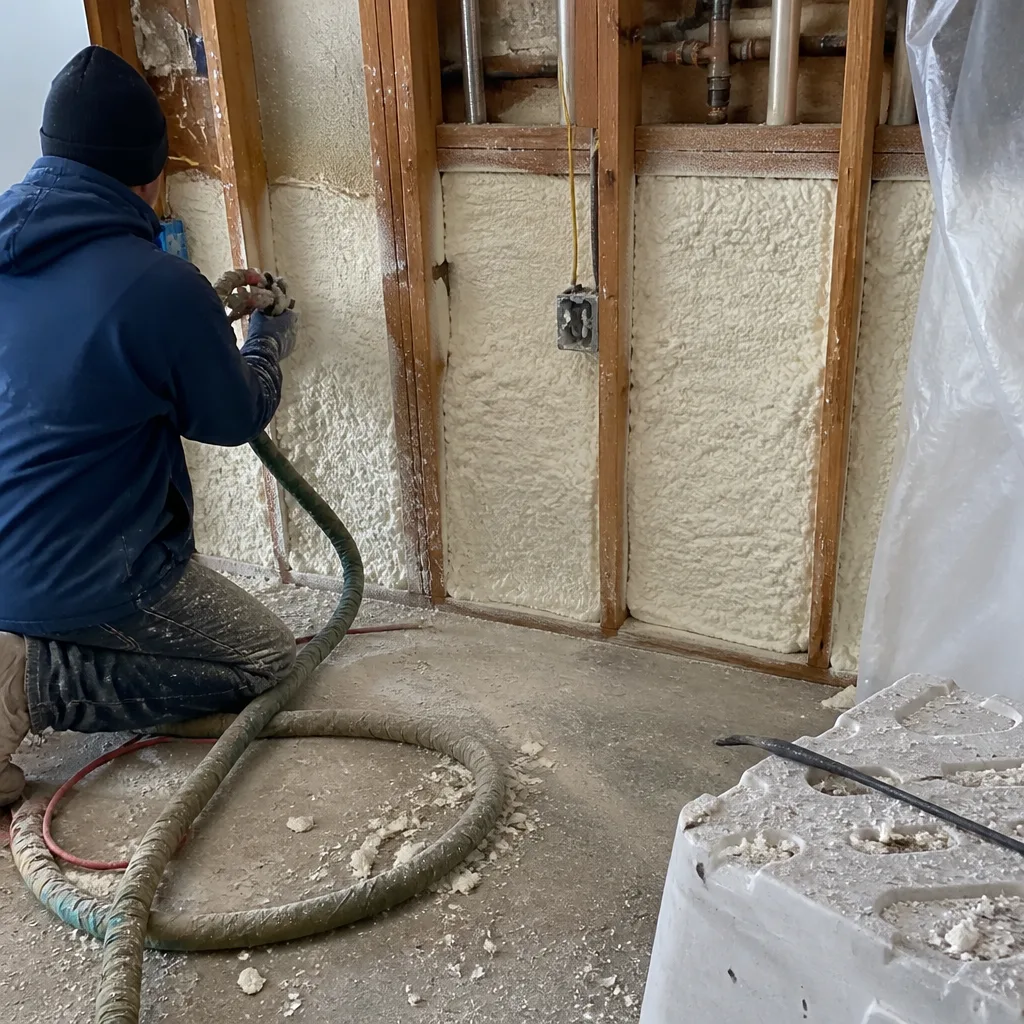 After
AfterReplacement Cost & What’s Included
Here’s what we charge for Icynene crawl space encapsulation work in Seguin, based on jobs we’ve completed in neighborhoods from Kingsbury to McQueeney:
| Scope | Typical Range |
|---|---|
| Vapor barrier replacement only (ground, walls to sill) | $1,800 - $3,400 |
| Rim joist re-seal with Icynene MD-R-200, up to 150 linear feet | $2,400 - $4,200 |
| Full encapsulation: ground barrier, rim seal, dehumidifier tie-in, access seal | $5,800 - $8,600 |
| Conditioned crawl conversion with supply/return integration | $8,500 - $14,000 |
The spread depends on three things: how much of the old barrier we have to cut out and haul (Seguin’s landfill rates run higher for construction debris with polyethylene content), whether your sill plates need mechanical fastening before new foam will bond, and if we find rot that needs a carpenter before we seal over it. Every quote is flat, written, and includes the Documented Photo Record; we don’t start until you have the price in hand. The 365-Day Done Right Promise covers all encapsulation work, and we publish before-and-after blower-door numbers on any job where the crawl ties into conditioned space.
DIY or Call Us?
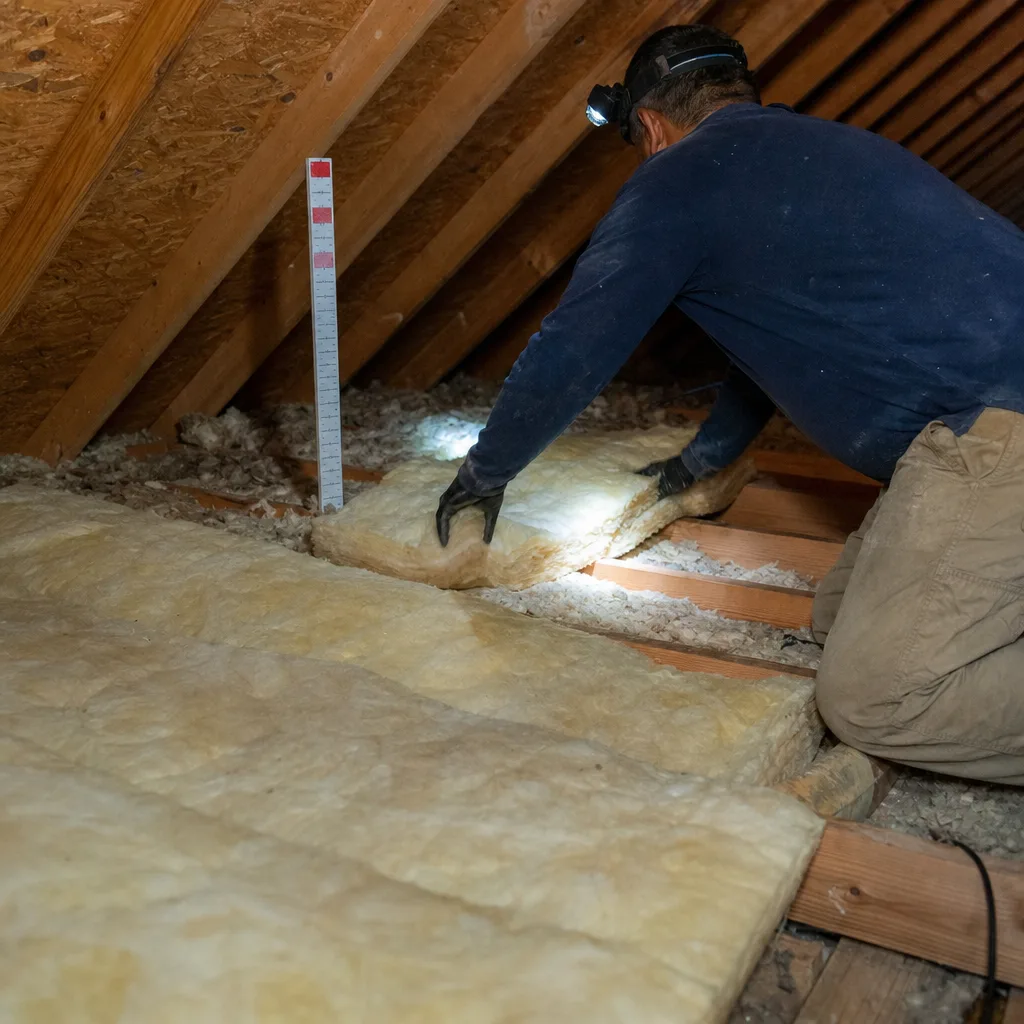
There’s a safe middle ground here. You can check your crawl’s humidity with a $15 sensor from any hardware store, verify that your access door seals tight, and look for obvious tears in the ground barrier. What you shouldn’t do: cut into existing Icynene foam to investigate, attempt to spray new foam with a rental rig, or run a dehumidifier drain line without a proper condensate pump and trap. The foam chemistry is unforgiving; off-ratio DIY foam shrinks, traps moisture, and costs more to remove than professional installation would have. We’ve pulled out three Seguin DIY jobs in the past two years where the owner used a big-box two-component kit and created a vapor trap that rotted floor joists.
We carry Icynene-compatible foam, 12-mil and 20-mil reinforced barriers, and mechanical fastening systems on every truck. If you’re seeing symptoms, call (830) 549-6646. We’ll scope it, photograph it, and give you a written price before anyone goes under the house.
FAQs
Properly installed, the closed-cell MD-R-200 foam should perform for 25-plus years; the ground vapor barrier typically needs inspection at 10-15 years in our climate, sooner if your crawl gets direct sun through vent screens or if the soil stays saturated through spring like we see in low-lying Seguin lots near the Guadalupe. The report goes home with you - the numbers do the talking - so you’ll have baseline blower-door and humidity readings to compare against at any point. Call (830) 549-6646 if your readings drift; estimates are free.
Spot repairs work if the damage is isolated - a torn seam, one corner pulled from the sill. We heat-weld patches with the same reinforced polyethylene and test the seal with a smoke pencil. If the barrier is chalking, brittle, or has multiple failed seams, replacement is more cost-effective than chasing leaks. We stock both patch kits and full rolls, so we’ll recommend what actually makes sense after we look. Call (830) 549-6646 to schedule.
Most vapor barrier replacements we complete in one day; full re-foaming of rim joists plus barrier runs two days, with the second day typically shorter for trim and final sealing. We don’t rush cure times - MD-R-200 needs its full window before we stress the joint - so we schedule accordingly. Same-day starts are common if we have crew availability and your crawl’s prepped for access.
We stock Icynene-compatible MD-R-200, LD-C-50, vapor barrier in 12-mil and 20-mil, seam tape, termination bars, and dehumidifier tie-in kits on every Seguin truck. For specialty requests - specific Icynene color matches, conditioned-air integration hardware - we can typically source within 48 hours through our supplier network. We also carry Reflectix repair materials for hybrid systems. Call (830) 549-6646 to confirm stock for your specific configuration.
Written by Wes Okafor, Owner & Lead Insulation Technician, Topside Attic Insulation Seguin at Topside Attic Insulation Seguin, serving Seguin and nearby areas.