
CertainTeed Crawl Space Encapsulation: The Seguin Owner’s Guide
Most CertainTeed crawl space encapsulation systems we replace in Seguin run between $2,800 and $5,400 installed, depending on crawl footprint and whether the existing vapor barrier is salvageable. We stock CertainTeed-compatible 12-mil and 20-mil reinforced polyethylene, seam tape, and mechanical fasteners on every truck, and we can typically inspect and quote same-day. Homeowners usually figure out something’s wrong when the musty smell returns after a dry spell, or they notice their floors feel cold even with the heat running - both point to a compromised moisture barrier or failed seam seals.
Which CertainTeed Models This Applies To
CertainTeed doesn’t sell crawl space encapsulation as a named system the way they do roofing or siding. What we see in Seguin homes - especially builds from 2005 to 2019 in neighborhoods like River Oaks and the older sections near Kingsbury Street - is CertainTeed’s MemBrain smart vapor retarder or their FortiCel mold-resistant sheeting, often installed by the original builder or a prior contractor who sourced through a CertainTeed distributor. The tell is the blue-and-white diamond logo printed along the edge of the poly sheeting, usually every 24 inches.
To identify what you’ve got, check the mil thickness printed on that edge tape. MemBrain runs 6-mil and is designed to be permeable - it breathes, which works against you in a crawl space if the humidity is already high. FortiCel is 10-mil and treated with a mold inhibitor, but we’ve found the treatment degrades faster in Seguin’s clay-heavy soil conditions where groundwater wicks up persistently. For replacement, we typically step up to 12-mil or 20-mil reinforced poly that CertainTeed distributes through their building products channel but doesn’t brand as their own. The OEM-versus-aftermarket question here is straightforward: the poly itself is commodity-grade polyethylene, and the critical spec is the reinforced scrim layer - a woven grid between poly sheets that prevents tearing during install and resists puncture from rocky crawl floors. We use a scrim-reinforced product that matches CertainTeed’s distributed spec, sourced through the same supply chain, at a better price point than boxed OEM.
One compatibility gotcha: if your original installer used CertainTeed’s CertaSeal tape (a butyl-based seam tape with red backing), standard poly tape won’t bond to the residue. We carry a solvent-based primer that reactivates the old adhesive footprint so the new barrier seals properly without pulling up the old tape in strips.
Signs Your CertainTeed Crawl Space Encapsulation Is Failing
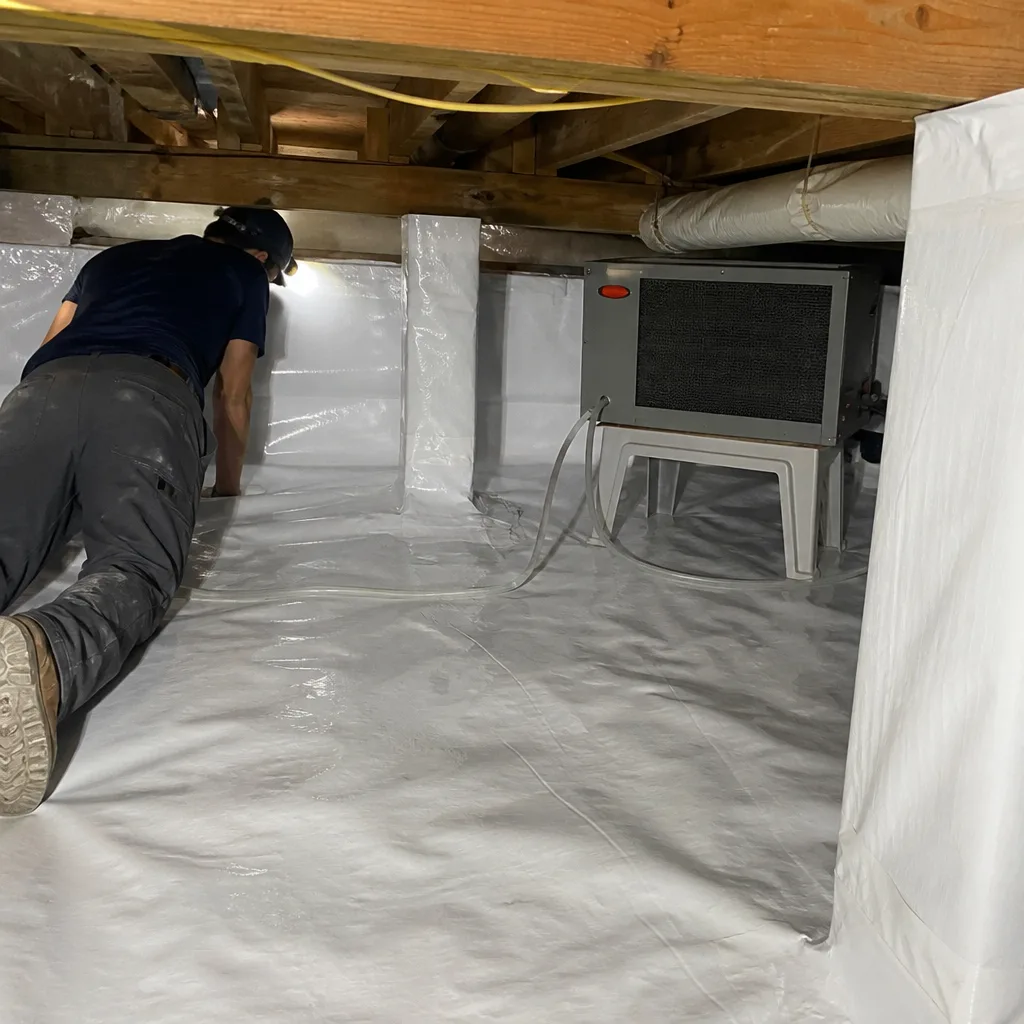
- Musty odor returning in shoulder seasons. When the barrier tears or seam tape fails, ground moisture enters the crawl at 70 to 80 percent relative humidity - exactly when Seguin’s spring and fall temperatures let that moisture sit instead of evaporating. The smell means mold spores are active on the joist bays above.
- Cold floors in winter despite good attic insulation. A failed vapor barrier lets evaporative cooling pull heat through the subfloor. We see this most in pier-and-beam homes near the Guadalupe River floodplain, where seasonal water tables are higher and the ground stays damp year-round.
- White or gray powder on joist surfaces. That’s efflorescence - mineral salts left behind when moisture moves through concrete or wood and evaporates. It means water is migrating through the crawl space envelope, and the barrier isn’t stopping it.
- Sagging or pooled areas in the poly sheeting. Water above the barrier means it’s trapped between the poly and the soil, usually from a plumbing leak or from groundwater pushing up through a tear. The barrier is doing the opposite of its job: creating a bathtub instead of a seal.
- Pest activity increasing in the crawl. Termites and carpenter ants follow moisture gradients. A compromised barrier raises wood moisture content above 20 percent, which is the threshold where subterranean termites establish feeding galleries. We document this with moisture meter readings on every inspection.
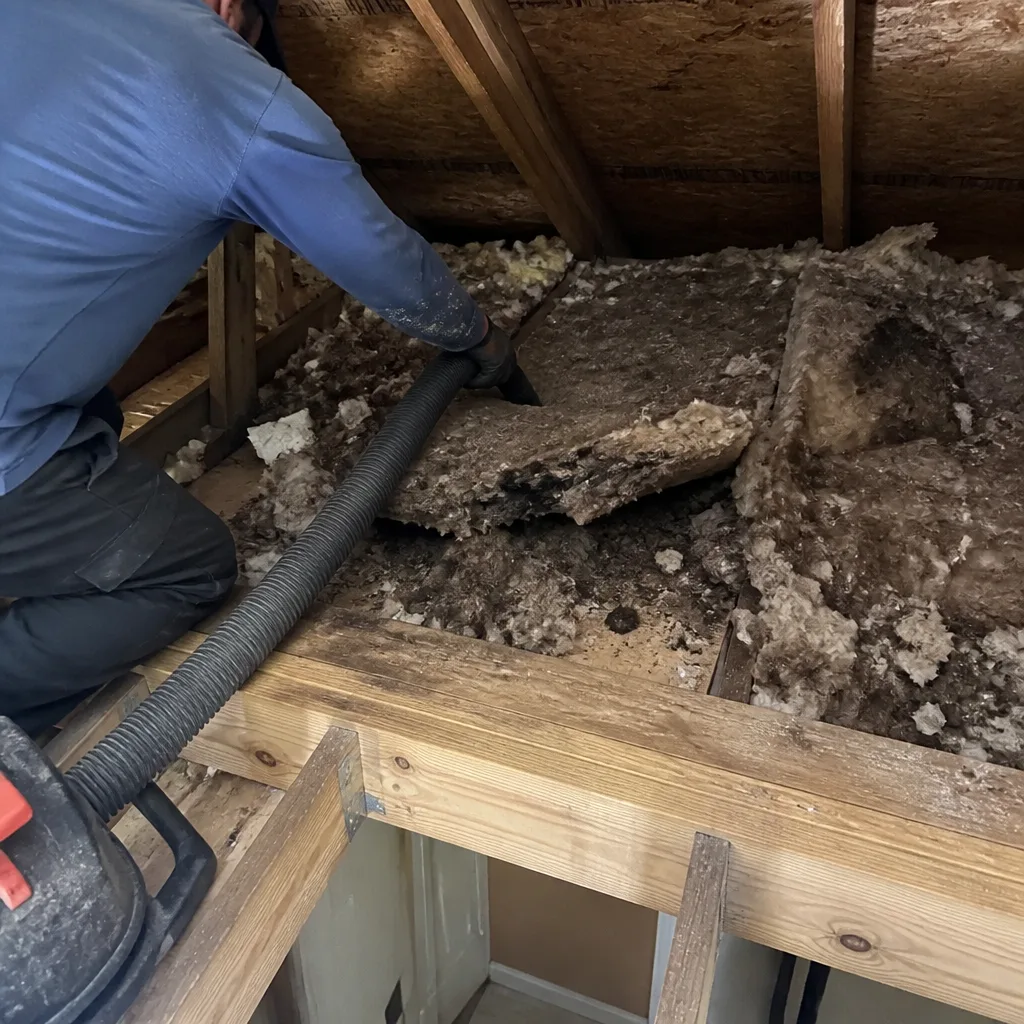 Before
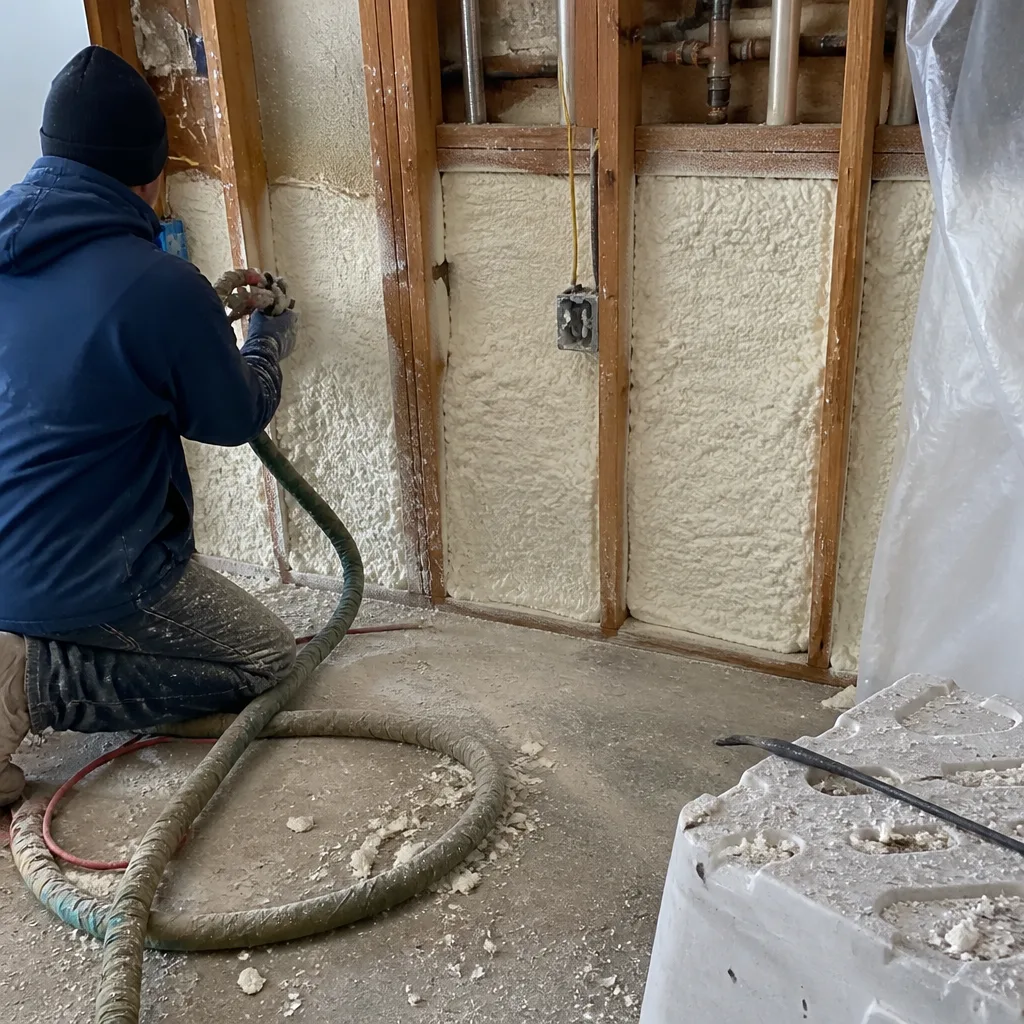 After
AfterReplacement Cost & What’s Included
In Seguin, a full CertainTeed-compatible crawl space encapsulation replacement typically breaks down as follows:
| Component | Price Range |
|---|---|
| 12-mil reinforced poly, up to 1,200 sq ft crawl | $1,400 - $2,200 |
| 20-mil reinforced poly, same footprint | $1,900 - $3,100 |
| Seam tape, mechanical fasteners, termite inspection gap | $380 - $620 |
| Labor: removal, surface prep, install, sealing to walls/piers | $1,020 - $1,680 |
| Typical total installed | $2,800 - $5,400 |
What drives the range: crawl height (less than 18 inches means we work on our backs, adding time), debris or old fallen insulation to remove, number of piers to wrap and seal, and whether the foundation walls need a diamond coat - a brush-applied sealant at the wall-footing joint where we most often find gaps. Every job gets a written price before work starts, per Haven Standard Clause 1. The 365-Day Done Right Promise covers material defects and installation workmanship. We also publish before-and-after moisture meter readings and, on homes with conditioned crawl access, blower-door numbers showing envelope leakage reduction.
DIY or Call Us?
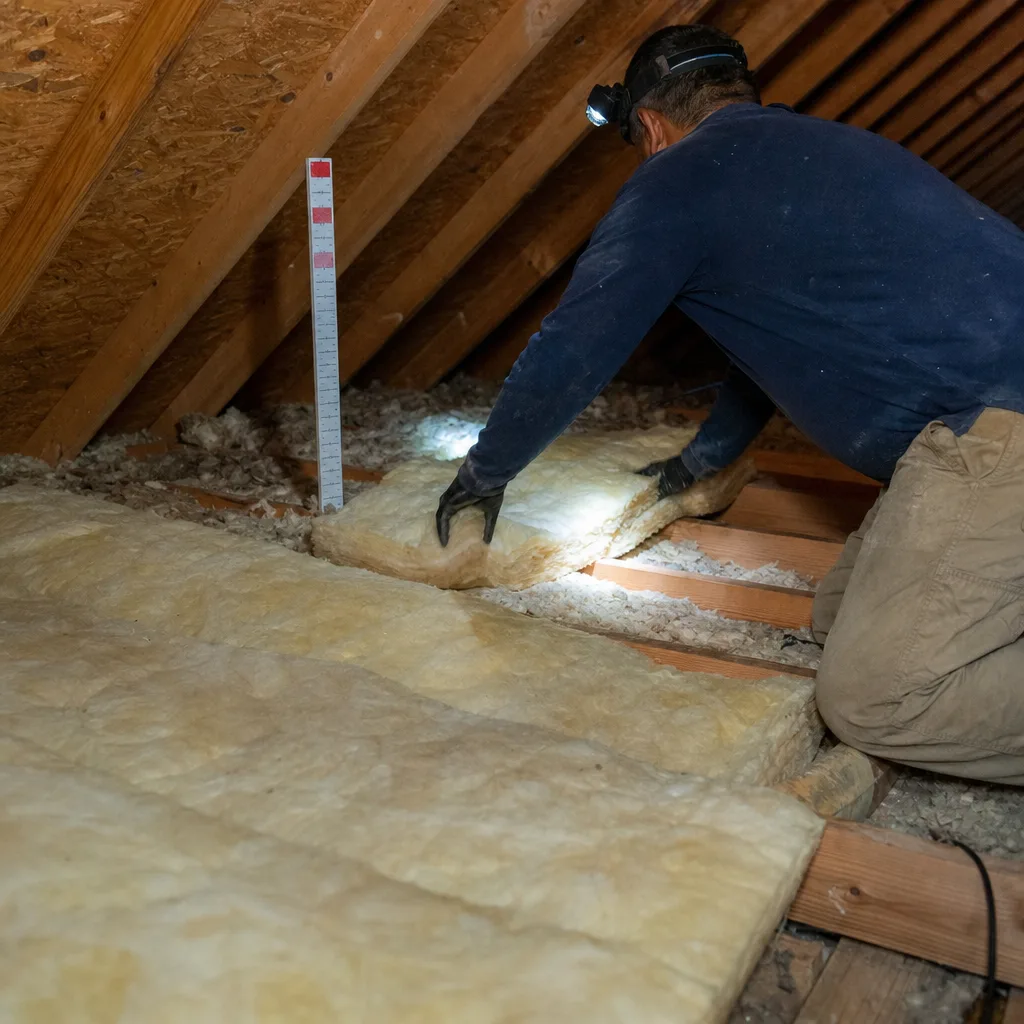
Here’s what you can safely check yourself: the mil thickness printed on your existing poly, whether seams are lifting, and whether there’s standing water. Use a flashlight and a moisture meter if you have one - readings above 20 percent on joist ends mean the barrier is compromised.
Where DIY goes wrong: crawl space encapsulation looks like rolling out plastic, but the failure points are almost always at the termination details - where poly meets the foundation wall, around pier posts, and at the perimeter seal. Without a propane heat gun to activate seam tape properly, without knowing how to maintain the termite inspection gap (a 2-inch visible strip at the wall that inspectors and pest control require in Texas), and without a moisture meter to verify the subfloor is dry before you seal it, you’re trapping problems instead of solving them. We’ve pulled up DIY jobs where the homeowner sealed active mold behind new poly, or blocked the termite gap and got flagged on their resale inspection.
We’re not affiliated with CertainTeed - we’re an independent service provider - and we don’t push proprietary products. If your CertainTeed barrier is failing, call (830) 549-6646 and we’ll inspect, measure, and give you a written price before any work starts. Free second opinion on any written estimate you already have.
FAQs
Properly installed reinforced poly lasts 15 to 20 years, but in Seguin’s clay soils with seasonal heaving, we’ve seen un-reinforced 6-mil barriers fail at 7 to 10 years from ground abrasion and puncture. The report goes home with you - the numbers do the talking.
Patching works for isolated tears smaller than a dinner plate if the surrounding poly is still supple and the seam edges are clean. We use a double-tape method with reinforced patch material. If the poly is brittle, chalky, or has multiple failure points, patching is false economy - the adjacent sections will fail within a season or two. Call (830) 549-6646 for an exact quote; estimates are free.
Most Seguin crawls up to 1,500 square feet take one day for removal and install, assuming clear access and no standing water remediation. Tight crawls, debris removal, or mold remediation add a second day. We give you a written schedule with the price.
Yes - 12-mil and 20-mil reinforced poly, butyl seam tape, mechanical fasteners, wall sealant, and termite-gap spacers. For same-day replacement, we need to inspect first to confirm square footage and pier count, but we rarely need to order material. Call (830) 549-6646 to schedule.
Written by Wes Okafor, Owner & Lead Insulation Technician, Topside Attic Insulation Seguin at Topside Attic Insulation Seguin, serving Seguin and nearby areas.