
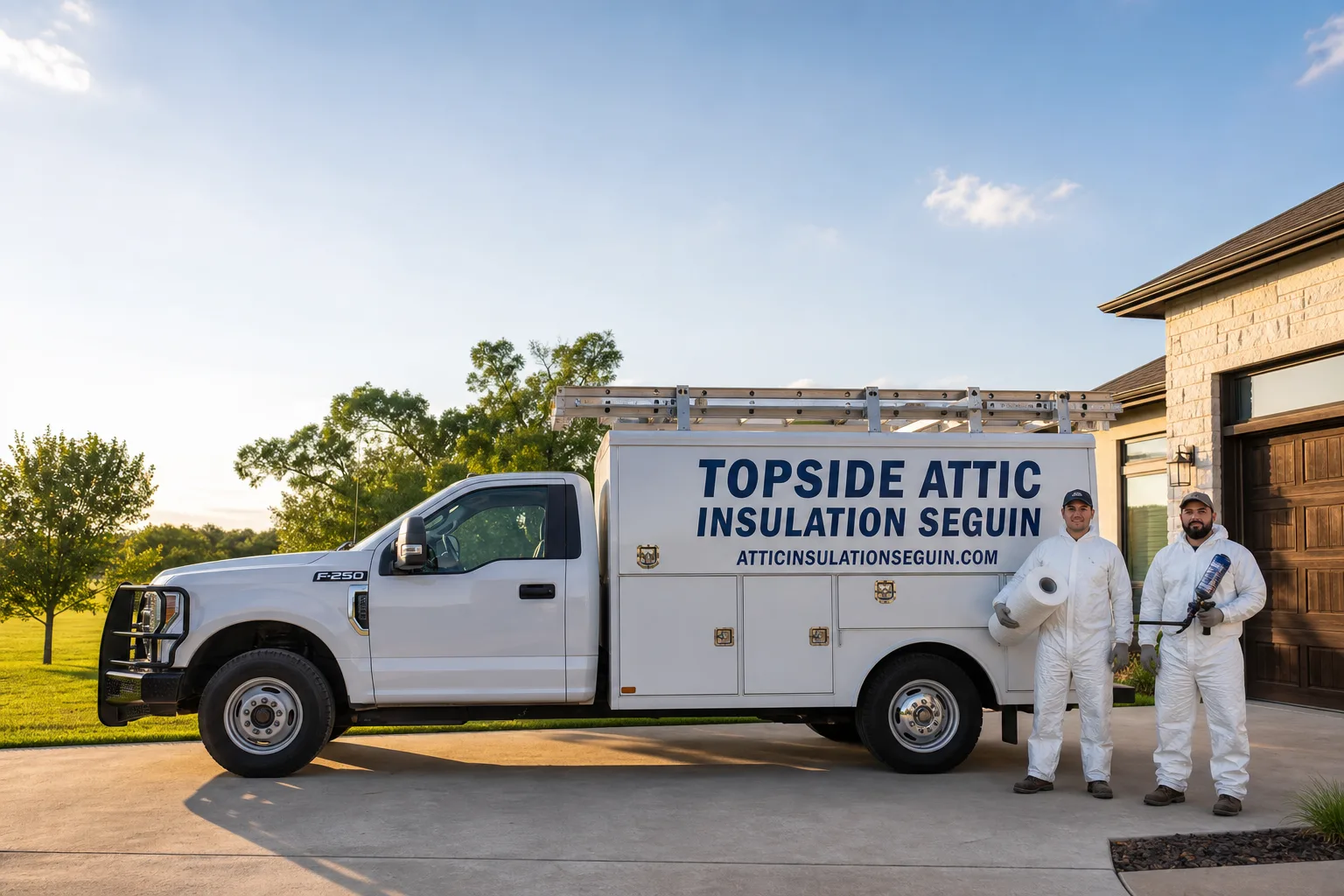
Fast, Reliable Blown-In Insulation Across Windcrest
Most blown-in insulation jobs in Windcrest run $1,400-$3,200 for a typical attic top-up and are completed in a single day with the crew arriving between 8 and 9 a.m. We dispatch to Windcrest from our San Antonio office, and most Windcrest appointments are scheduled within 48 hours of the initial call. Call (830) 549-6646 to book a free estimate with a written price before any work starts.
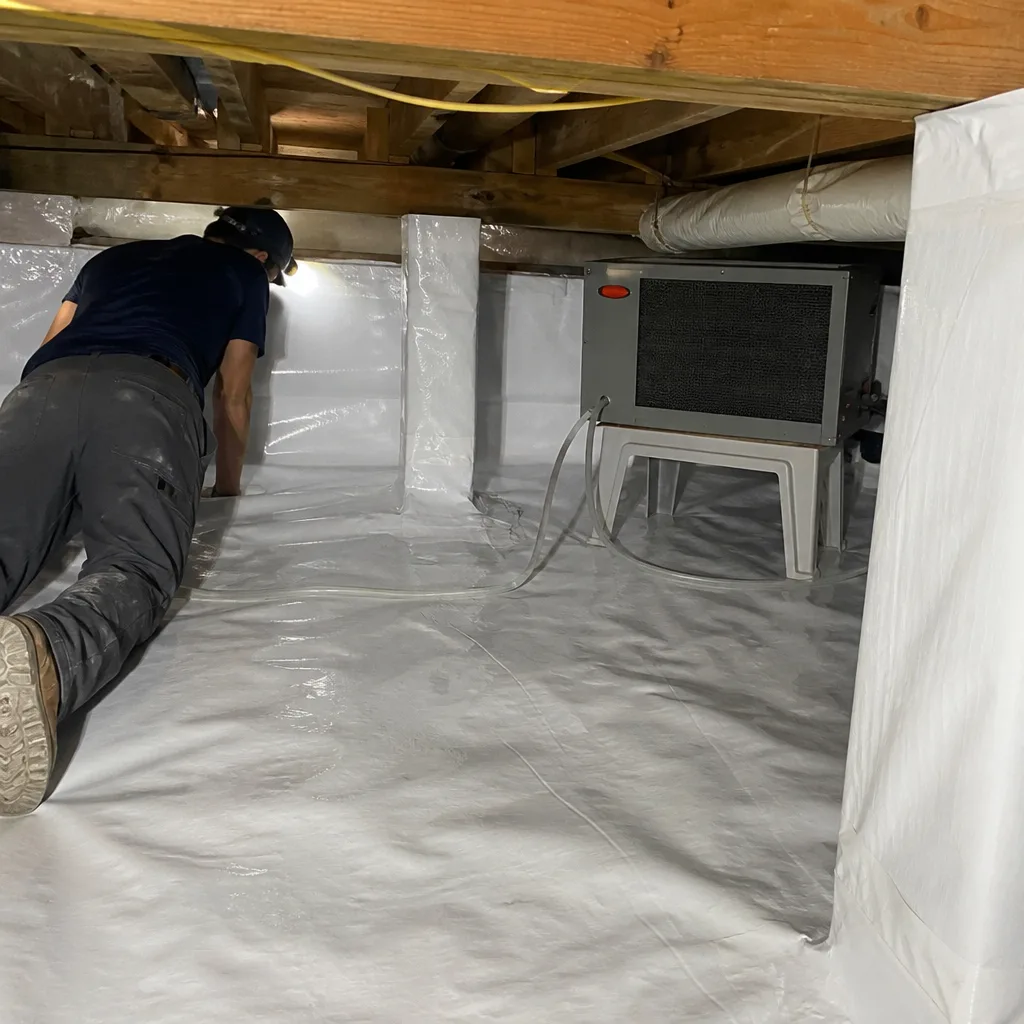
We’ve worked in Windcrest long enough to know the pattern: drive down Crestline Drive, Woodlake Parkway, or any cross-street off Walzem Road and you’re looking at the same house, built between 1958 and 1972, with the same 3-inch blanket of settled blown fiberglass in the attic and the same flex duct wrapped in 1-inch insulation running through 150°F summer heat. For homeowners considering spray foam insulation in Windcrest, the uniformity of this housing stock is the opportunity. The uniformity is the opportunity. Unlike San Antonio’s mix of eras and styles, Windcrest gives us one proven approach that fits nearly every home.
Why Topside Attic Insulation Seguin Is Windcrest’s Preferred Blown-In Insulation Company
We’ve sealed and insulated more than 9,000 homes since 2016, and a significant share of those have been in Windcrest and the surrounding Bexar County inner suburbs. Our crews know the local housing stock: slab-on-grade ranch builds with low-pitched roofs, shallow attic cavities, and original construction shortcuts that are now costing homeowners every summer.
Windcrest customers find us the same way most do - they read the three-star reviews as carefully as the five-star ones, they want the blower-door numbers, and they want everything in writing before anyone touches their attic. We deliver that. Every job starts with a written price and scope under Haven Standard Clause 1, and ends with a Documented Photo Record plus before-and-after blower-door readings on air-sealing work.
Calls are answered by a live person 24/7. No voicemail loops, no callback windows measured in business days. If you’re in Windcrest, we can usually have a technician out for an assessment within two days.
Our Blown-In Insulation Services in Windcrest
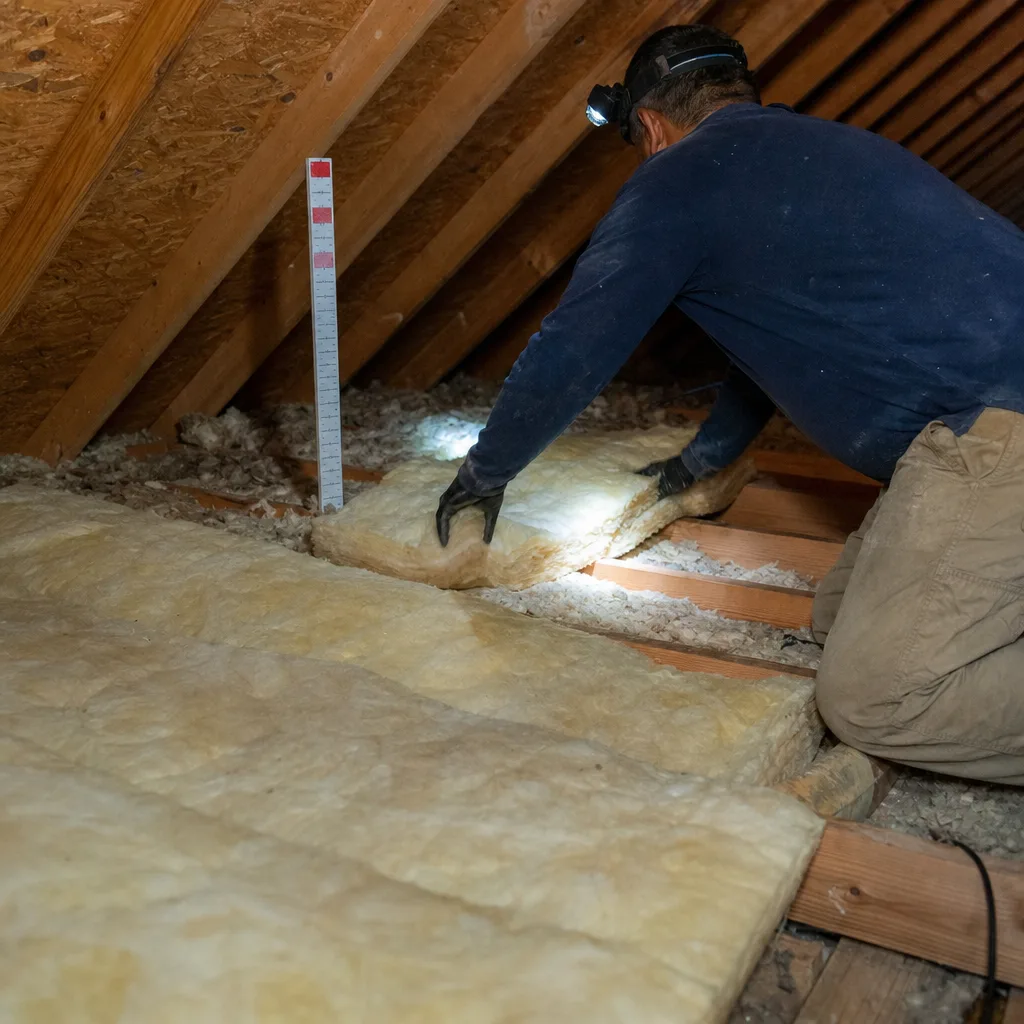
Blown-In Top-Up
This is the single highest-yield cooling upgrade for most Windcrest homes. The original 3-4 inches of blown fiberglass from the 1960s or 70s has settled to roughly R-7 to R-11. Current IECC targets for this climate zone call for R-38 or higher. We air-seal first - top plates, can lights, plumbing and electrical penetrations - then blow new material over the existing layer to achieve the target depth. A typical Windcrest ranch attic runs $1,400-$2,400 for a full top-up with air sealing. The crew arrives, seals, blows, and documents. You get the photos and the blower-door result.
Blown-In Fiberglass
We use Knauf and Owens Corning fiberglass for most Windcrest attics. Fiberglass doesn’t absorb moisture the way older organic-based products can, which matters in a climate where Gulf humidity pushes inland and attic ventilation is often marginal. For the shallow cavities common in Windcrest’s low-pitched ranch roofs, blown fiberglass fills consistently without settling gaps. We measure depth in multiple spots and mark the target level on the rafters so you can verify the work.
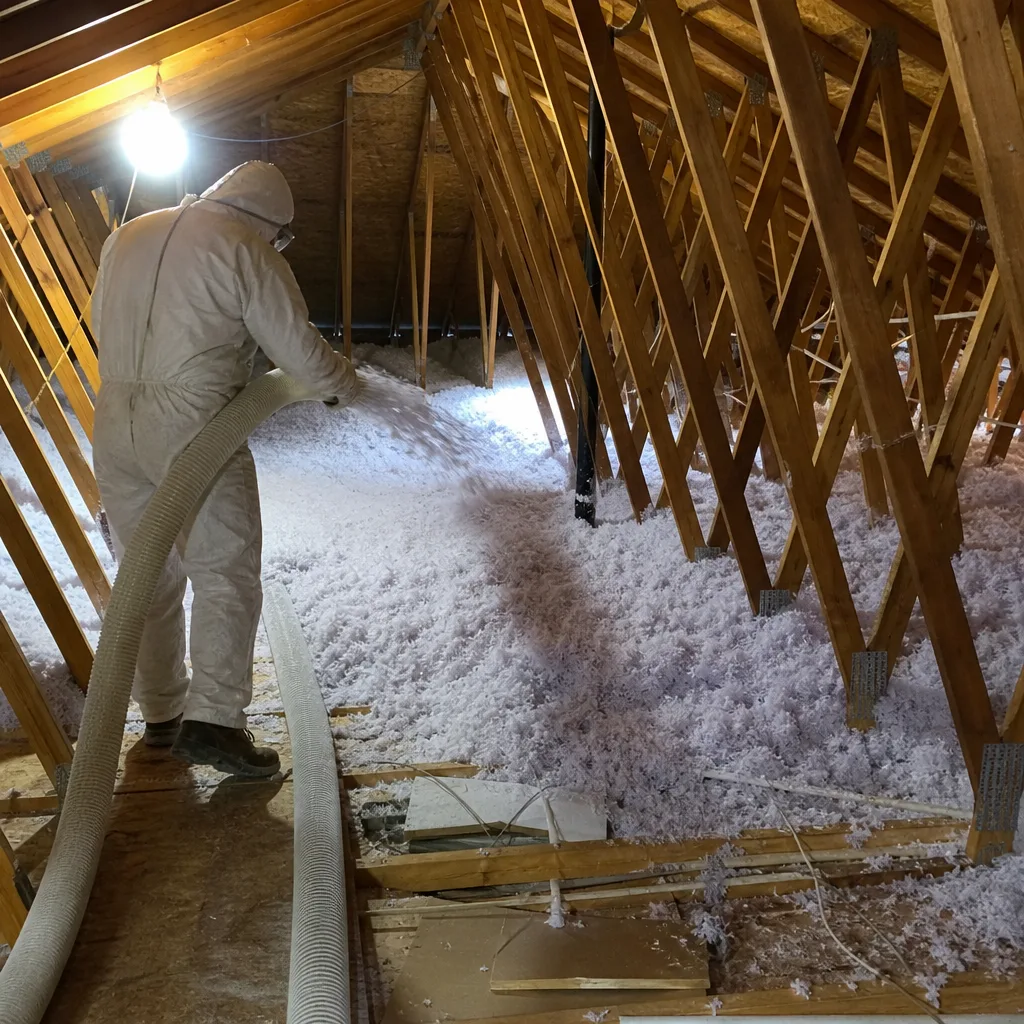
Dense-Pack Wall Insulation
Windcrest’s slab-on-grade ranch homes were built with empty wall cavities - no insulation at all. Dense-pack cellulose or fiberglass, blown at high density into closed stud bays, slows the thermal transfer that makes west-facing rooms unbearable by 4 p.m. in July. This is a slower, more technical job than attic work: we drill access holes, fill to calculated density, and patch. Most Windcrest wall jobs run $2,800-$4,500 depending on linear footage and interior or exterior access. Not every home needs it, but for those with significant solar gain on the long walls, the comfort difference is immediate.
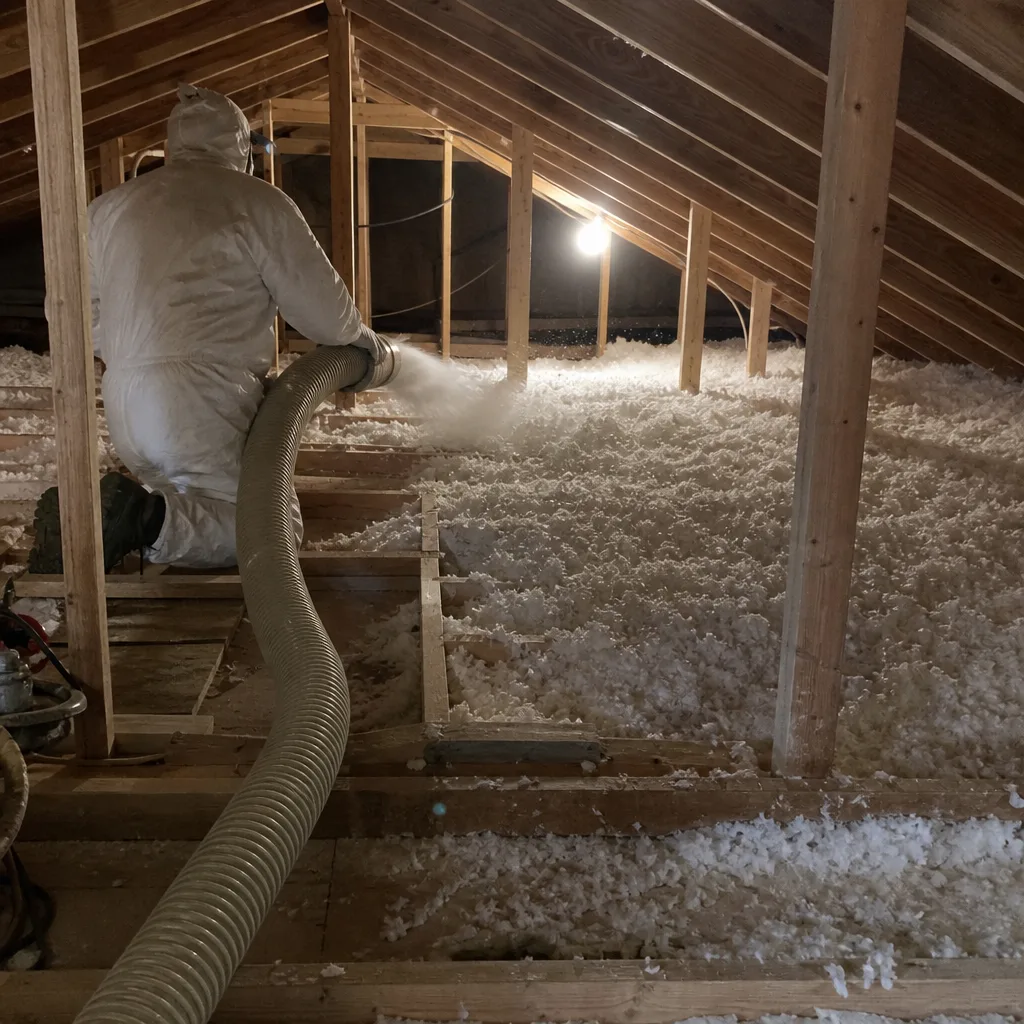
Blown-In Cellulose
GreenFiber cellulose is our go-to for homeowners who want a recycled-content option with good fire resistance and pest deterrence. Cellulose performs well in Windcrest’s climate when the attic is properly air-sealed first - we never blow it over an unsealed deck, since wind-washing and moisture migration can degrade performance. Our Blown-In Insulation team treats air sealing as a hard prerequisite, not an upsell.
What happens when you call
- 1
A real person answersNo phone trees - you reach a local pro.
- 2
You get an upfront price rangeHonest numbers before anyone is dispatched.
- 3
A background-checked tech heads outLicensed & insured, dispatched right away.
- 4
You approve before work beginsNothing starts until you say go.
 Before
 After
AfterTrusted Brands We Service in Windcrest
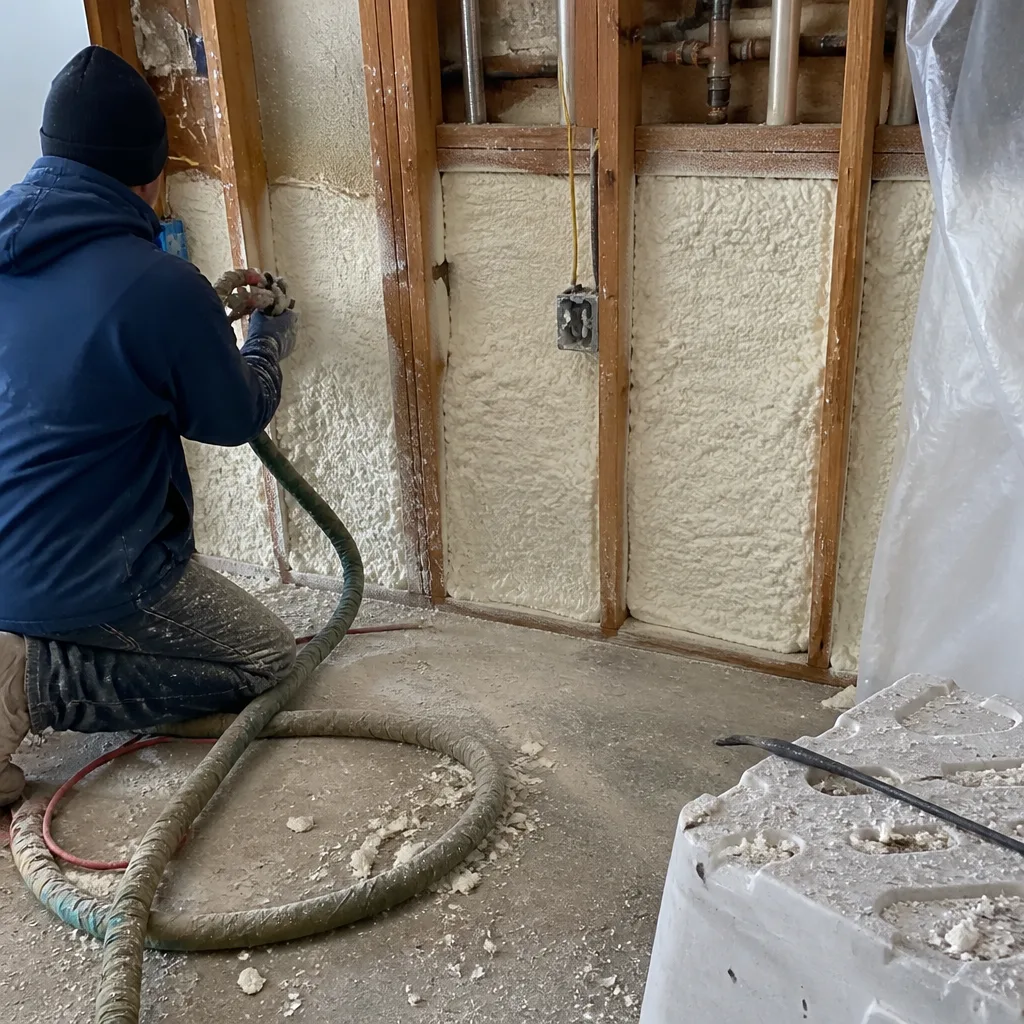
We source from Owens Corning, Johns Manville, Knauf, and GreenFiber - no proprietary lock-in, no house brand pushed for margin. For Windcrest jobs, we keep Knauf blown fiberglass and GreenFiber cellulose stocked locally so we’re not waiting on delivery to start your job. If your home already has Demilec spray foam in some areas and needs blown-in to complement it, we work with the existing material rather than tearing out functional insulation. Every product spec is noted in your written scope.
Common Blown-In Insulation Problems We See in Windcrest Homes
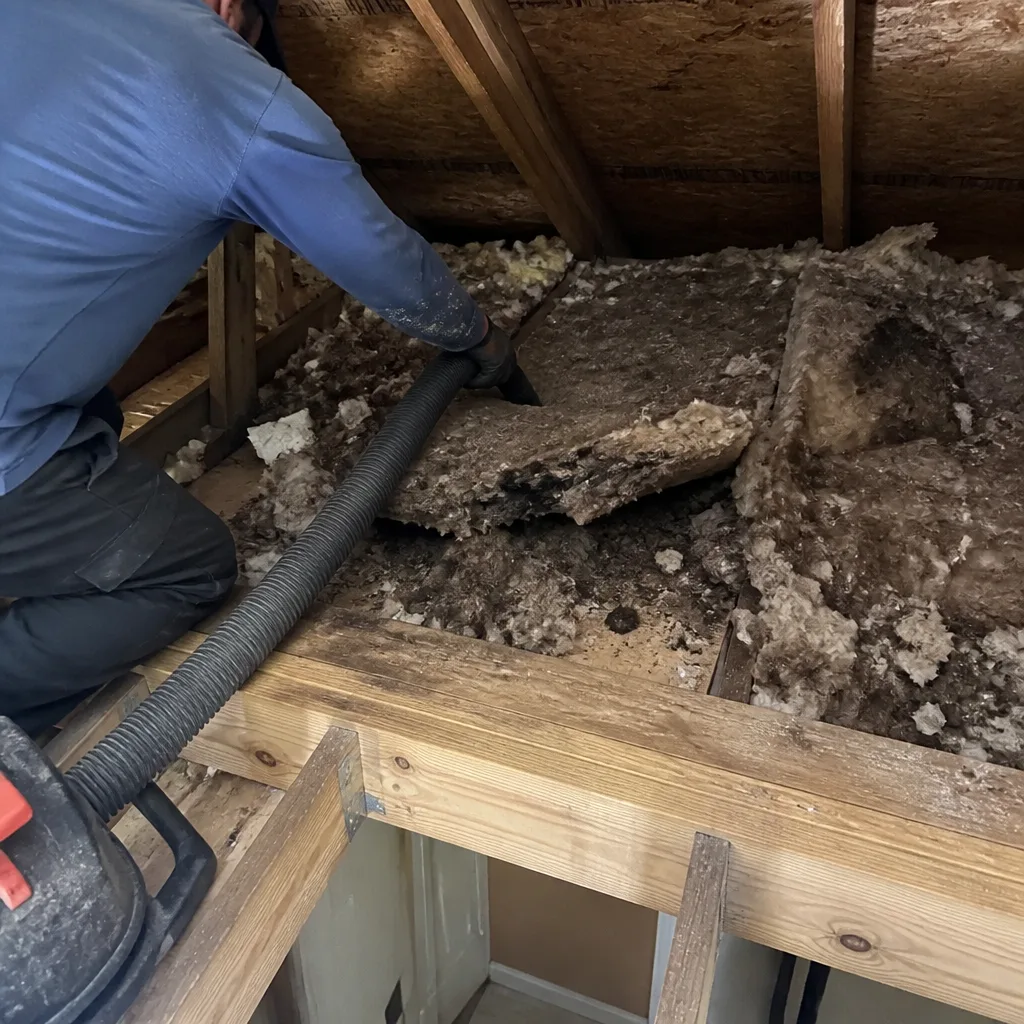
- Settled original fiberglass to 3-4 inches. The 1950s-70s blown fiberglass in nearly every Windcrest ranch has compressed to roughly one-third of its original loft, leaving R-values far below current standards. We measure this on every assessment and show you the depth gauge reading.
- Gulf humidity clumping and matting. Moisture migrating into the attic from conditioned space below, combined with humid air infiltration, mats older blown insulation into dense pads that trap heat rather than resist it. Air sealing stops the moisture source; new material restores the thermal barrier.
- 1-inch flex duct wrap in unconditioned attics. This is the double loss point we find on virtually every Windcrest job: poorly insulated ducts running through a poorly insulated attic, bleeding cooled air before it reaches the vent. Duct encapsulation or attic enclosure is a natural add-on to blown-in work.
- Zero wall cavity insulation. Bexar County residential construction of this period skipped wall insulation as standard practice. West and south walls bake by mid-afternoon, and the thermostat wars begin. Dense-pack wall fill solves this without tearing off siding.
Pricing for Blown-In Insulation in Windcrest, TX
| Service | Typical Range in Windcrest | What Drives Cost |
|---|---|---|
| Blown-in attic top-up (air seal + blow to R-38) | $1,400 - $2,400 | Attic square footage, accessibility, extent of air sealing needed |
| Blown-in fiberglass, full attic (remove + replace) | $2,200 - $3,800 | Existing material condition, disposal, deck repairs |
| Dense-pack wall insulation | $2,800 - $4,500 | Linear footage, interior vs. exterior access, patching |
| Duct encapsulation (add-on) | $1,600 - $2,800 | Linear footage of duct, accessibility |
These ranges reflect what we actually charge in Windcrest for homes built between 1955 and 1975 - the bulk of the local housing stock. Every estimate is a flat, written price with scope and warranty delivered before work starts, per Haven Standard Clause 1. No surprises, no open-ended hourly rates. Call (830) 549-6646 for your exact number; estimates are free.
We Also Serve Cities Near Windcrest
Our crews work throughout the San Antonio metro area, including Blown-In Insulation in Windcrest and surrounding communities: Seguin, New Braunfels, Cibolo, and Schertz. Scheduling and dispatch are coordinated from our San Antonio office, with local crews serving each area.
Serving Windcrest, TX - Our Local Coverage Area
We’re based in the Windcrest area and know this community well. Use the map below to see our service coverage - if you’re nearby, we can almost certainly help.
FAQs - Blown-In Insulation in Windcrest
Windcrest was built out rapidly as a planned residential enclave from the 1950s through the early 1970s, when 3-4 inches of blown fiberglass met the minimal code of that era. The uniformity of this housing stock means nearly every attic in the city starts from the same deficient baseline. Call (830) 549-6646 and we’ll measure yours and show you the depth reading.
A blown-in top-up addresses the largest single surface area of heat gain - the attic deck - while duct replacement or encapsulation fixes a concentrated loss point. For most Windcrest homes, we recommend both: air seal and blow the attic first, then encapsulate the ducts. The combined effect typically outperforms either measure alone. We quote both approaches so you can decide.
Blown fiberglass from Knauf or Owens Corning fills shallow, low-pitched ranch cavities more consistently than batts, which leave gaps at the eaves and around penetrations. Fiberglass also resists the moisture issues that can affect cellulose in marginally ventilated attics. We match the material to the specific cavity and ventilation condition we find.
Summer attic temperatures in Windcrest regularly exceed 150°F, and Gulf humidity pushes inland during warm months. Unsealed attics allow moist conditioned air to migrate upward, where it condenses on cooler surfaces and mats insulation. Air sealing stops the moisture transport; properly installed blown-in material maintains its loft and R-value despite the heat. Without sealing, new insulation eventually degrades the same way the old stuff did.
Yes, measurably. On a slab-on-grade ranch off Crestline Drive, our crew found the original 3-inch blown fiberglass matted into the attic deck and flex duct in the unconditioned attic wrapped in only 1-inch insulation - a double loss point. We air-sealed the envelope, blew Knauf fiberglass to R-38+ and encapsulated the ducts, and the homeowner’s summer cooling run-time dropped noticeably within the first billing cycle. Results vary with home size and system efficiency, but the physics are consistent: less heat gain, less runtime, lower bills. Call (830) 549-6646 for a free estimate and written price.
Written by Wes Okafor, Owner at Envelope Insulation Co., serving Windcrest and the San Antonio metro since 2016.