
GreenFiber Radiant Barrier Installation: The Seguin Owner’s Guide
GreenFiber radiant barrier installation in Seguin typically runs between $1,800 and $3,400 for a standard 1,800-2,400 square foot attic, and we stock GreenFiber-compatible barrier rolls and fastening systems on every truck for same-day starts. Most Seguin homeowners notice the problem when their summer electric bills spike 20-40% above the previous year, or when they spot sagging, torn, or improperly stapled reflective foil in the attic after a roof replacement or pest inspection. We also carry Reflectix radiant barrier products for systems where the original GreenFiber spec has been discontinued.
Which GreenFiber Models This Applies To
GreenFiber’s radiant barrier line falls into two main categories: the RB-Series loose-foil rolls (RB-19, RB-30, RB-38) designed for staple-up installation to roof rafters, and the RB-Wall retrofit sheets meant for knee-wall and garage-ceiling applications. The RB-19 is the most common in Seguin homes built between 2005 and 2015, particularly in the Mill Creek and Oak Village subdivisions where builders spec’d it as a cost-upgrade from standard cellulose-only attics.
To identify what you have, check the printed edge tape on any intact section: GreenFiber stamped the RB series number and a lot date code every 24 inches. If your foil is unmarked, measure the mil thickness with a caliper or ruler edge - RB-19 is 0.19 mil single-sided, RB-30 is 0.30 mil double-sided with the woven reinforcing scrim visible when backlit. The RB-38 was discontinued in 2019; for those systems we install an Owens Corning equivalent that matches the emissivity rating (0.03-0.05) without voiding any remaining material warranty.
Topside Attic Insulation Seguin is an independent service provider - we’re not affiliated with GreenFiber or its parent company, and we don’t push proprietary lock-in. If your attic has a hybrid install (GreenFiber foil over another brand’s blown-in), we match the fastening pattern so the new barrier integrates without trapping moisture at the interface.
Signs Your GreenFiber Radiant Barrier Installation Is Failing
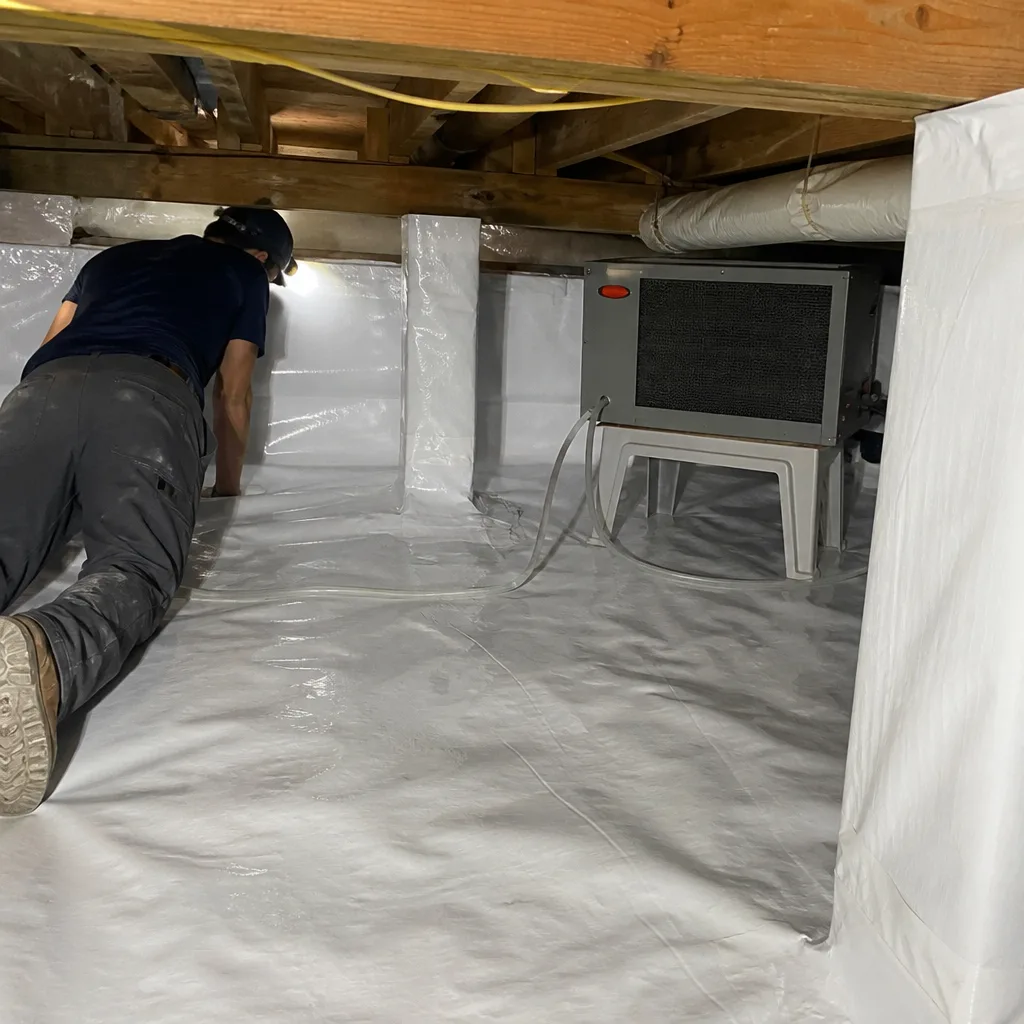
- Sagging or draped foil between rafters. GreenFiber’s RB-19 relied on lightweight staples every 6-8 inches; in Seguin’s attic heat, those staples pull through the paper backing over 7-10 years, and the foil drops onto your insulation where it can’t reflect radiant heat back toward the roof deck. We find this in roughly 60% of the 2005-2012 builds we inspect near Guadalupe Regional Medical Center.
- Tears or rodent damage concentrated near the attic hatch. Squirrels and roof rats use the reflective surface as a visual pathway; once they chew through, they nest behind the foil. The tear pattern is usually diagonal, 3-6 inches, and the damaged section creates a convection loop that actually accelerates heat transfer rather than blocking it.
- Hot spots on your ceiling during July and August afternoons. A functioning radiant barrier should drop your attic’s radiant heat gain by 20-30 degrees. If your ceiling feels warm to the touch at 4 PM, the foil has likely oxidized (RB-19 single-side degrades faster) or has fallen out of contact with the rafter plane, losing its air-gap dependency.
- Condensation or water staining on the foil’s underside. This means your attic ventilation is fighting the barrier instead of working with it. GreenFiber installs require 1:300 vent ratio minimum; Seguin’s humidity, especially after spring storms off the Guadalupe River basin, overwhelms undersized soffits and turns the foil into a moisture trap.
- Recent roof replacement with no barrier re-installation. Seguin roofing crews often remove old foil to access decking and never replace it, or they staple new foil directly to the roof deck (wrong - it needs the ¾-inch minimum air gap). The homeowner discovers the omission on the first $400 electric bill.
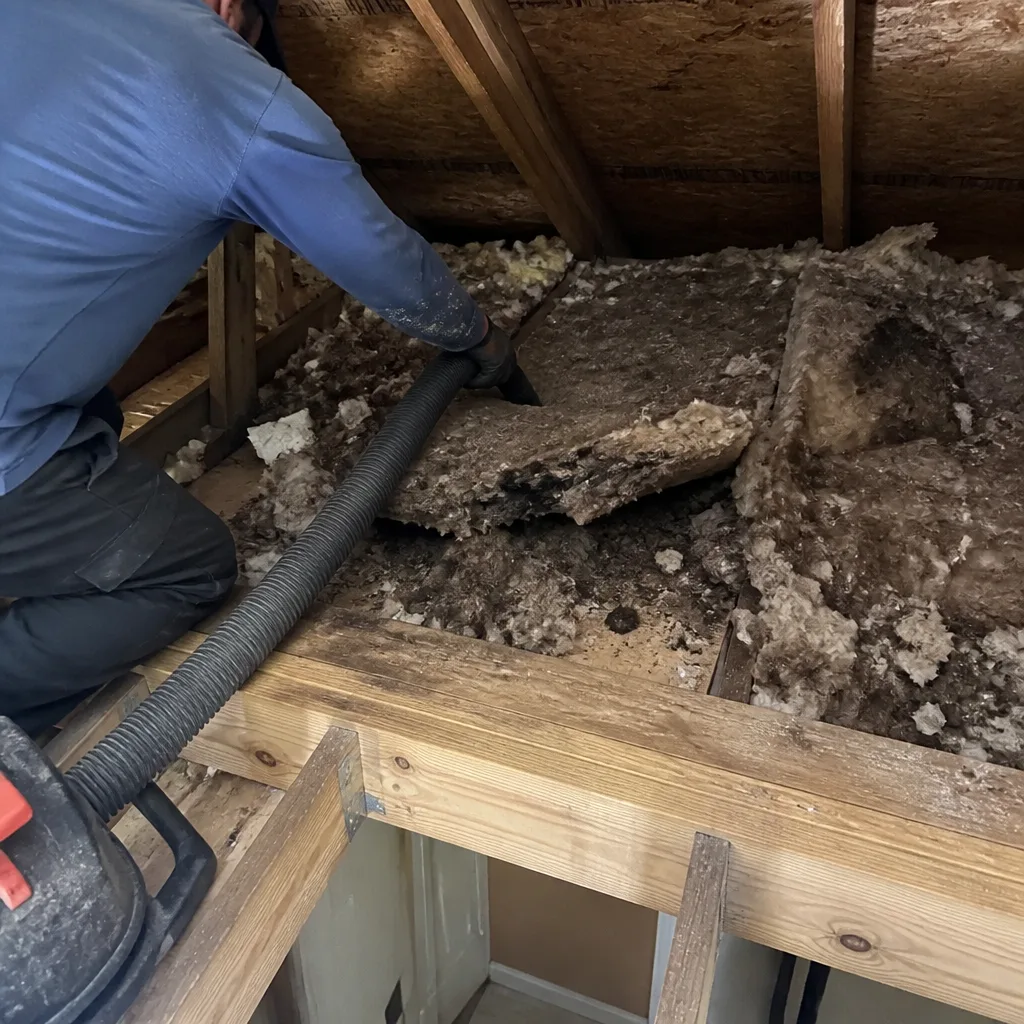 Before
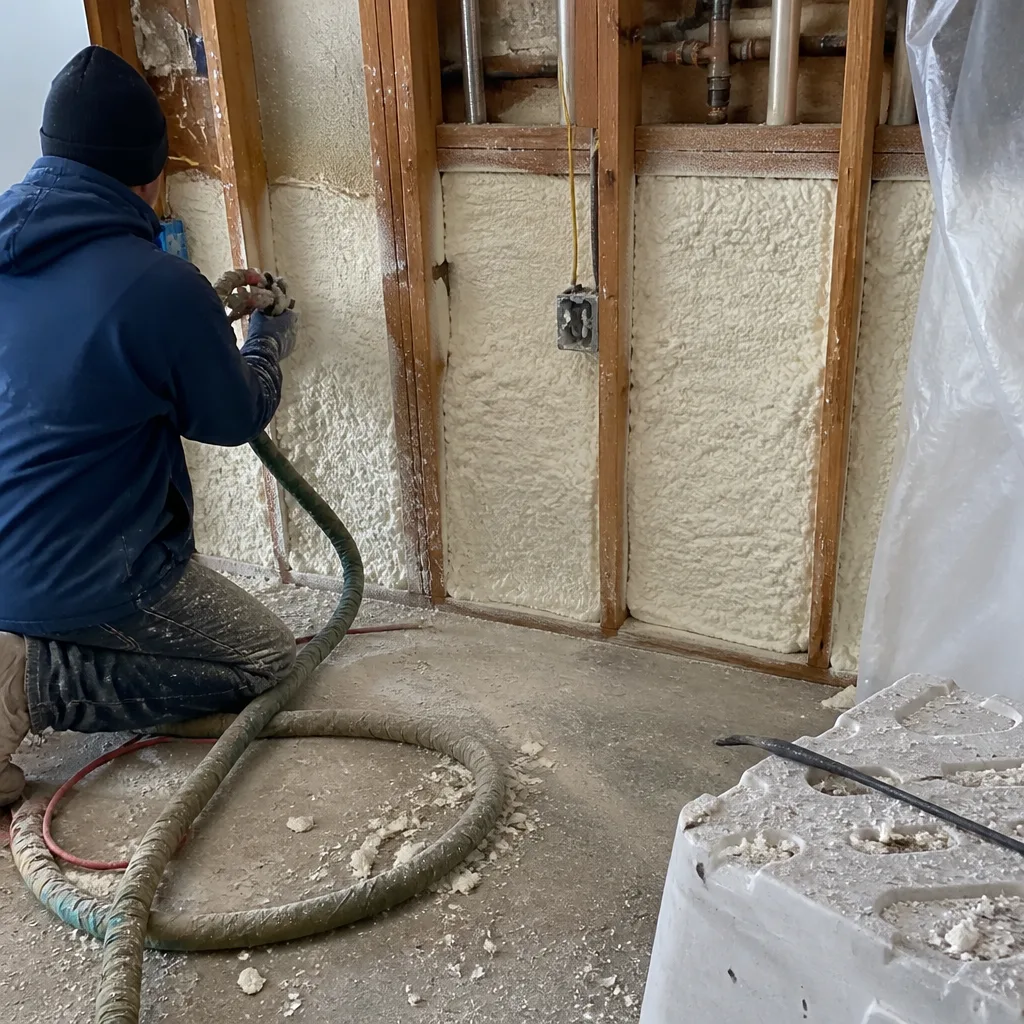 After
AfterReplacement Cost & What’s Included
For a typical Seguin home, GreenFiber radiant barrier replacement breaks down as follows:
| Component | Price Range |
|---|---|
| RB-30 or equivalent foil material (1,800-2,400 sq ft attic) | $680-$1,100 |
| Air sealing of top plates, can lights, and penetrations (prerequisite) | $450-$780 |
| Labor: removal, disposal, staple-up install, ventilation check | $670-$1,520 |
| Total installed, most Seguin homes | $1,800-$3,400 |
The wide end of that range depends on three things: how much failed material we have to pull down, whether your attic has active air leaks that need sealing first (we won’t install over unsealed penetrations - that’s Haven Standard), and whether your soffit and ridge venting needs correction to prevent the new foil from trapping moisture. Every job gets a written price before anyone climbs the ladder, and the 365-Day Done Right Promise covers both material and labor. We source GreenFiber-compatible product through our standard supplier chain alongside Owens Corning, Johns Manville, and Knauf - no proprietary lock-in, ever.
DIY or Call Us?
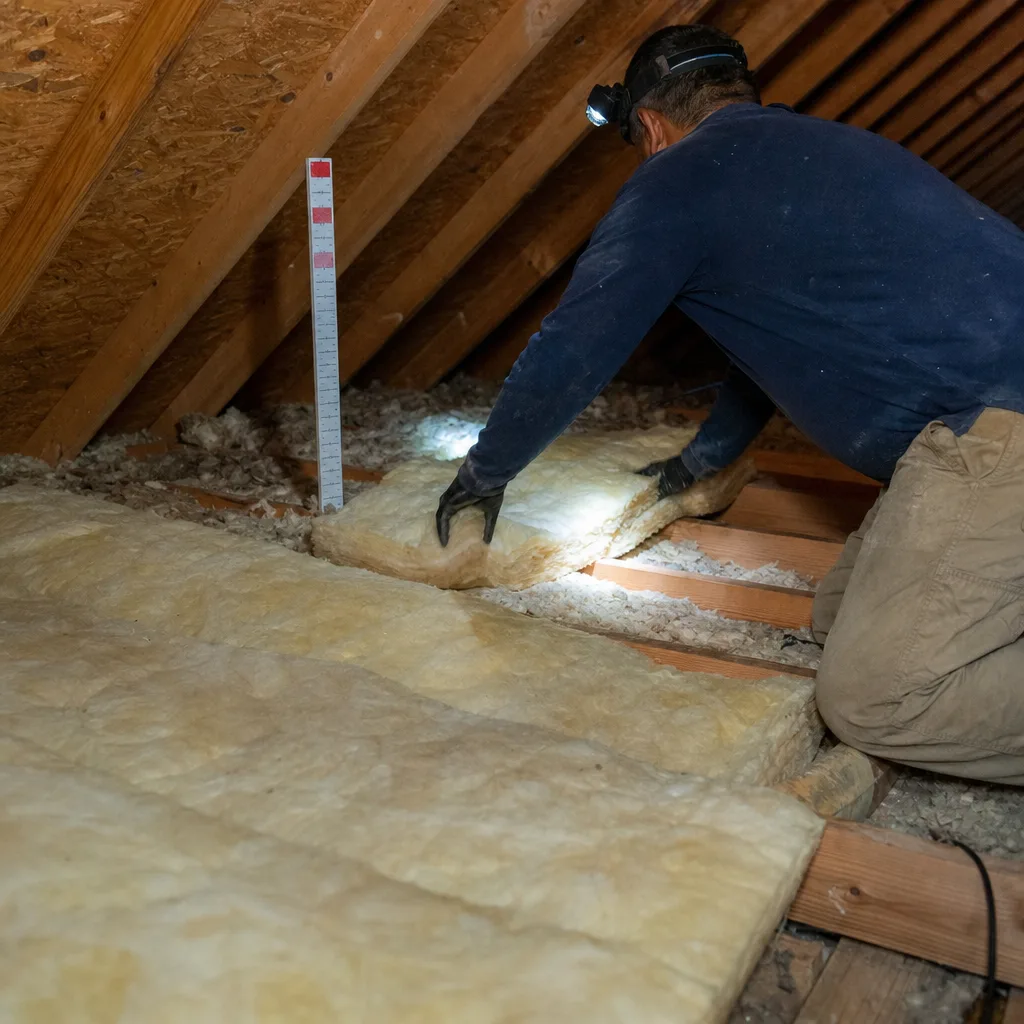
There’s no high-tension danger with radiant barrier like there is with garage door springs, but there are two ways DIY goes wrong in Seguin attics. First, working in 140-degree August roof cavities without proper hydration and egress planning sends homeowners to the ER every summer - the foil itself is lightweight, but the environment isn’t. Second, and more common: homeowners staple new foil directly to the roof deck (eliminating the required air gap), or they cover soffit vents and create a moisture problem that costs three times the original install to fix.
What you can safely check from the hatch with a flashlight: whether the existing foil is still attached to rafters, whether you see obvious tears or droppings, and whether your soffit vents are unobstructed. If any of those three checks raises a flag, call (830) 549-6646. We’ll bring a blower-door test kit, run the pressurization diagnostic, and show you exactly where your conditioned air is escaping before we quote any barrier work. The report goes home with you - the numbers do the talking.
FAQs
Properly installed RB-30 with intact air gap lasts 15-20 years in Seguin’s climate; RB-19 single-side typically degrades to 0.08-0.12 emissivity within 8-12 years due to attic heat cycling and Hill Country dust abrasion. Call (830) 549-6646 and we’ll test your existing foil’s reflectivity with an infrared thermometer - estimates are free.
Patching works only if the tear is under 12 inches, the surrounding foil is still taut and properly stapled, and the damage isn’t from rodent activity (they return to scent-marked areas). We document the patch with a photo and note it on your written scope; anything larger or moisture-compromised gets full replacement to maintain the continuous reflective plane. Call (830) 549-6646 for an exact assessment - estimates are free.
Most Seguin residential jobs finish in one day: 2-4 hours for removal and air sealing, 3-5 hours for new barrier staple-up and ventilation verification. Two-story homes with complex rooflines, or attics requiring extensive top-plate sealing first, may extend to a second day. We text you a named technician and arrival window under Haven Standard: Arrive on schedule.
We carry RB-30 equivalent rolls and the full fastening system on every vehicle - not the discontinued RB-19 or RB-38, but matched equivalents with equal or better emissivity ratings. For Seguin calls placed before noon, we can usually inspect and start same-day; afternoon calls schedule for the following morning. Call (830) 549-6646 to confirm current stock and book your slot.
Ready to stop paying for the heat your attic is supposed to reflect? Call Topside Attic Insulation Seguin at (830) 549-6646 for a free estimate. Every job starts with a written price, includes a Documented Photo Record, and closes with before-and-after blower-door numbers you can hold in your hand. That’s the Haven Standard, and it’s how we’ve worked since 2016.
Written by Wes Okafor, Owner & Lead Insulation Technician, Topside Attic Insulation Seguin at Topside Attic Insulation Seguin, serving Seguin and nearby areas.