
Knauf Radiant Barrier Installation: The Seguin Owner’s Guide
Knauf radiant barrier installation in Seguin typically runs $1.80 to $2.40 per square foot of attic deck, with most single-family homes in the $1,400 to $2,800 range for a complete install. We stock Knauf EcoSeal-compatible radiant barrier foil and perforated breathable variants on our trucks, and we can usually measure and install same-day if you call before noon. Most Seguin homeowners discover their radiant barrier is failing when summer attic temperatures spike past 140°F despite the foil looking intact, or when they notice the HVAC running nonstop through August afternoons that should’ve been handled by the barrier they paid for years ago.
Which Knauf Models This Applies To
Knauf doesn’t sell radiant barrier as a standalone branded system the way they sell insulation batts. What we install are Knauf-compatible radiant barrier products: perforated aluminum foil laminates designed to pair with Knauf EcoSeal attic sealing systems and Knauf blown-in fiberglass or cellulose installations. The key identifier is the existing insulation label, usually stapled to a rafter or joist near the attic hatch. Look for “Knauf Insulation” with a product code starting in M or ECO, or a date stamp from 2012 onward when Knauf began pushing envelope-sealing packages in the Texas market.
The compatibility gotcha in Seguin’s Hill Country edge climate: Knauf systems installed before 2018 often used non-perforated radiant barrier, which traps moisture in attics during our spring humidity spikes. We only install perforated, breathable radiant barrier now, and when we’re retrofitting over an older Knauf install, we check for condensation staining on the existing foil first. If your current barrier is solid, non-perforated, and showing water spots at the rafter bays, that’s your sign the original spec didn’t account for Guadalupe County’s March-through-May moisture load.
OEM Knauf-branded radiant barrier foil isn’t something you order from a distributor with a part number. What matters is the mil thickness (we use 0.005-inch minimum for durability in Seguin’s wind-driven attic environments), the emissivity rating (0.03 to 0.05 for true radiant heat reflection), and whether the product carries ASTM C1313 certification for radiant barrier performance. We source through Knauf’s regional supply chain and alternate certified manufacturers including Reflectix when Knauf stock runs thin, but we never substitute down in spec. The report goes home with you - the numbers do the talking.
Signs Your Knauf Radiant Barrier Installation Is Failing
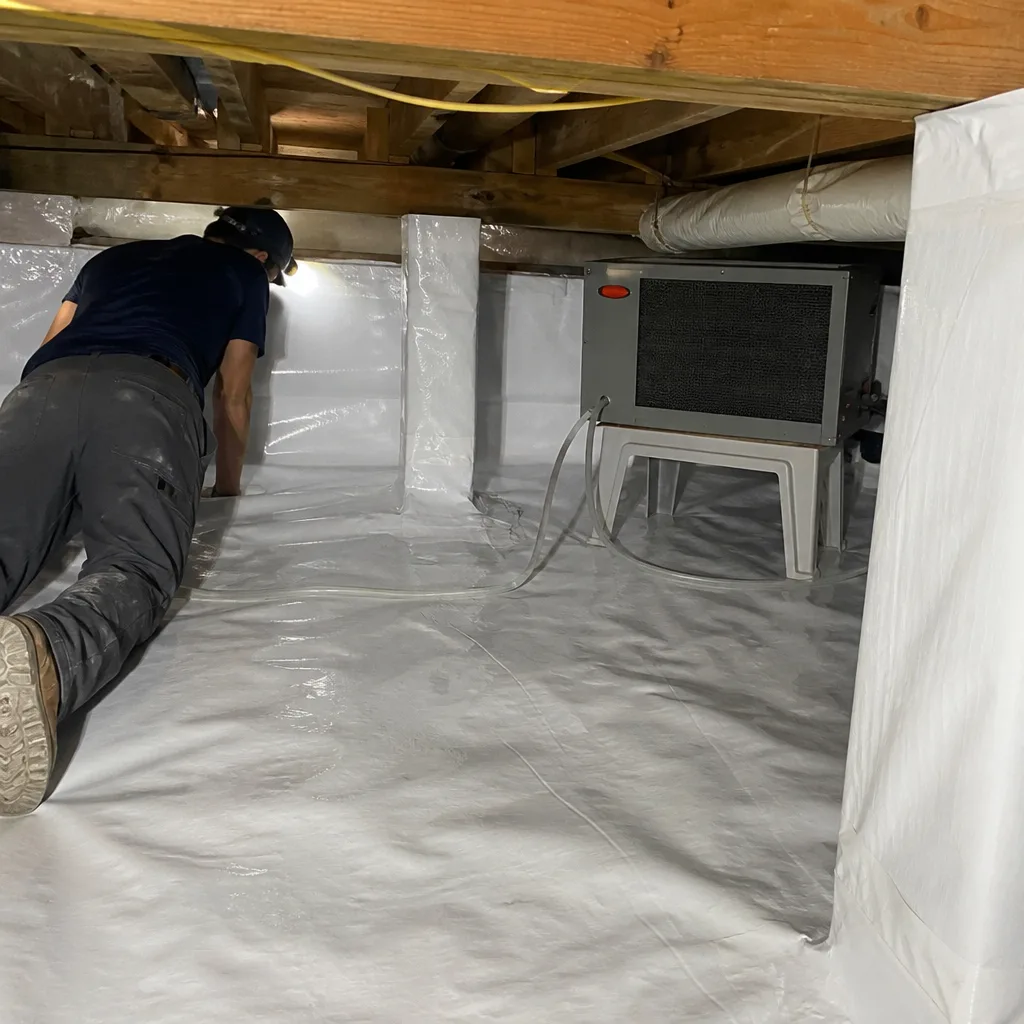
- Attic temperature reads 130°F+ on a 95°F day. A functioning radiant barrier should drop attic deck temperature 20 to 35 degrees below ambient roof temperature. If your thermal gun shows 140°F at 2 p.m. in July, the foil has likely oxidized, torn at fasteners, or accumulated enough dust to kill its reflectivity.
- Hot ceiling spots in rooms directly below the attic. This usually means the barrier was never fully continuous, or it has pulled away from rafters at the ridge line. In Seguin’s older neighborhoods near Guadalupe Regional Medical Center, we see this where 1960s framing irregularities made full coverage impossible without custom cutting that the original installer skipped.
- Dust layer thick enough to write in. Radiant barrier only works when the aluminum surface faces an air gap and stays clean. A few years of Seguin’s caliche dust infiltration, especially after roof work or nearby construction, can raise emissivity from 0.03 to 0.30 or higher. At that point it’s decorative, not functional.
- Visible tears, sagging, or missing sections at eaves and ridges. The eaves catch the most wind turbulence during our spring storm season, and poorly stapled foil flaps until it rips. Ridges fail where roofers walked during shingle replacement and never re-secured the barrier.
- HVAC runtime increased 30% or more versus prior summers. This is the symptom that sends most Seguin homeowners up the attic ladder with a flashlight. When the radiant barrier stops reflecting, the ductwork in your attic absorbs roof heat and re-radiates it into conditioned air before it ever reaches your vents.
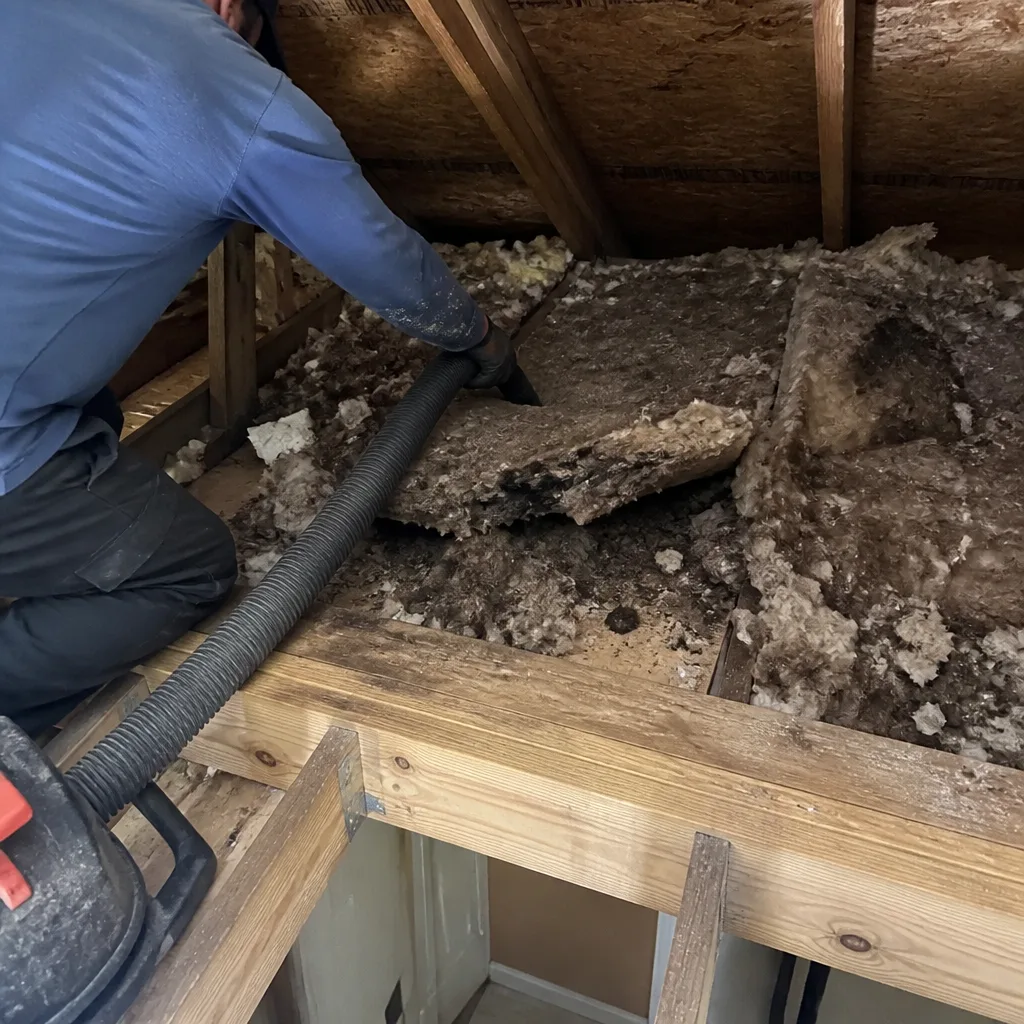 Before
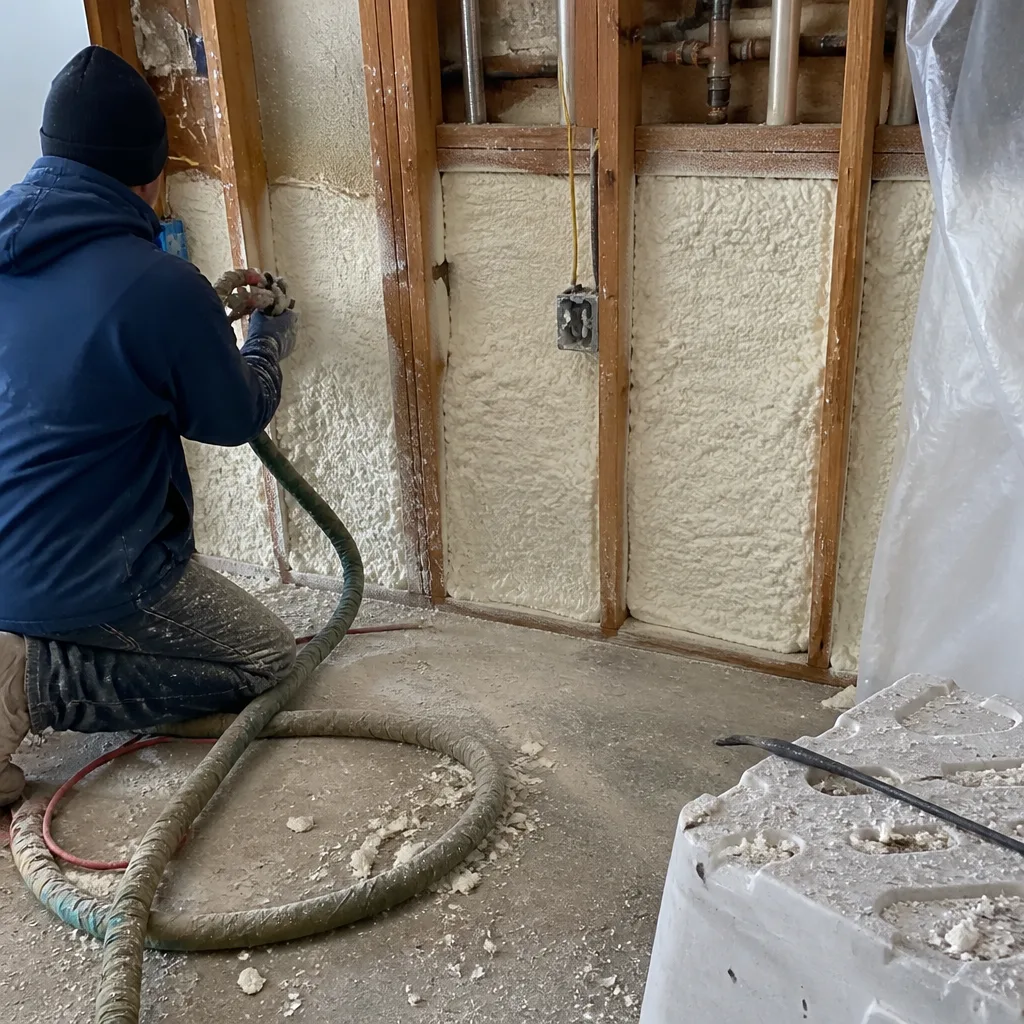 After
AfterReplacement Cost & What’s Included
| Scope | Price Range in Seguin |
|---|---|
| Partial retrofit (damaged sections, under 800 sq ft) | $650 - $1,200 |
| Full attic deck replacement (1,200 - 2,000 sq ft) | $1,400 - $2,800 |
| Full replacement + air sealing package (top plates, can lights, penetrations) | $2,200 - $4,100 |
| Add blower-door test with before/after report | $275 (included in full package) |
What drives the range: attic square footage is obvious, but the real variable is access and what’s already up there. A walk-up attic with a permanent floor takes longer to work around than open joist bays. If we’re removing failed non-perforated foil with moisture damage underneath, that adds cleanup time. If the original installer skipped air sealing, we won’t lay new radiant barrier over a leaky attic floor - that’s Haven Standard, not an upsell. Every job gets a Written Price Before Any Work Starts with line-item scope, and the 365-Day Done Right Promise applies to the full install including any air sealing we perform first.
DIY or Call Us?
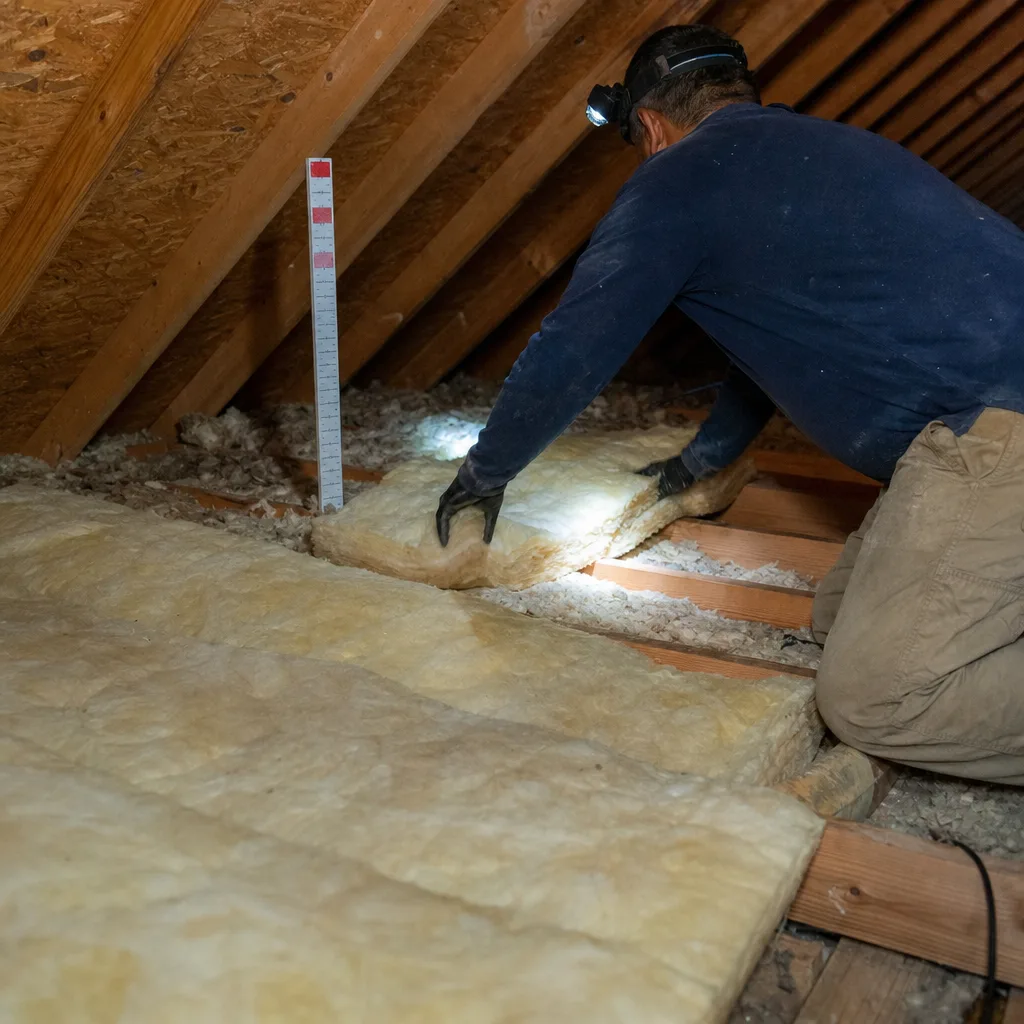
What you can safely check yourself: confirm the attic hatch is sealed, look for obvious tears or missing sections with a flashlight, and note any water staining on the existing foil. A basic infrared thermometer from the hardware store can tell you if attic temperatures are running 20+ degrees above what they should be. That’s useful information to share when you call.
Where DIY goes wrong: radiant barrier installation requires working across the full attic deck, including the ridge line and eave edges where Seguin’s older homes have minimal headroom. The foil must maintain a minimum 3/4-inch air gap to function, which means precise stapling patterns and often baffle installation at eaves to prevent wind washing. Most importantly, if your attic has any electrical junction boxes, knob-and-tube remnants, or gas appliance venting, the clearance and contact rules are specific and enforced. We’ve found foil contact with recessed can housings in three Seguin homes this year alone, and that’s a fire hazard no homeowner should discover the hard way.
We’re not affiliated with Knauf - we’re an independent insulation contractor who sources Knauf-compatible materials and installs them to the spec the product was designed for. If you want a second opinion on another contractor’s quote, bring it by. We read them with you, no charge.
FAQs
Perforated aluminum radiant barrier in Seguin’s heat and UV load typically performs at rated spec for 15 to 25 years if installed correctly and kept clean. The failure point we see most often isn’t the foil itself but the installation: staples backing out in our temperature swings, or dust accumulation from unsealed attic floors cutting reflectivity in half within 5 to 7 years. Call (830) 549-6646 and we’ll measure your current performance with a thermal gun - estimates are free.
Small tears at fasteners or isolated sections pulled loose can be patched with matching foil and proper overlap sealing. We do this when the remaining barrier is clean, continuous, and less than 10 years old. If the foil is extensively oxidized, dust-coated, or was non-perforated and shows moisture damage, patching is false economy - you’re better off removing and replacing. We’ll tell you which category you’re in after a 10-minute attic assessment. Call (830) 549-6646 to schedule.
Most residential attics in Seguin run 4 to 6 hours for removal and replacement, or 6 to 8 hours if we include air sealing of top plates, can lights, and penetrations first. We won’t skip the air sealing on a leaky attic - Haven Standard Clause 1 means the written scope defines exactly what happens in what order, and we don’t deviate. You’ll get a text when the crew is en route, and a Documented Photo Record before we leave. Call (830) 549-6646 for a written price and timeline.
Yes - we carry perforated 48-inch-wide radiant barrier foil in 0.005-inch and 0.007-inch thicknesses, plus the full range of fasteners, eave baffles, and Knauf EcoSeal-compatible tape. For same-day installation, we need to measure your attic first to confirm square footage and check for the moisture or air-sealing issues that would change the scope. Call (830) 549-6646 before noon and we’ll usually have a crew there by afternoon.
Written by Wes Okafor, Owner & Lead Insulation Technician, Topside Attic Insulation Seguin at Topside Attic Insulation Seguin, serving Seguin and nearby areas.